
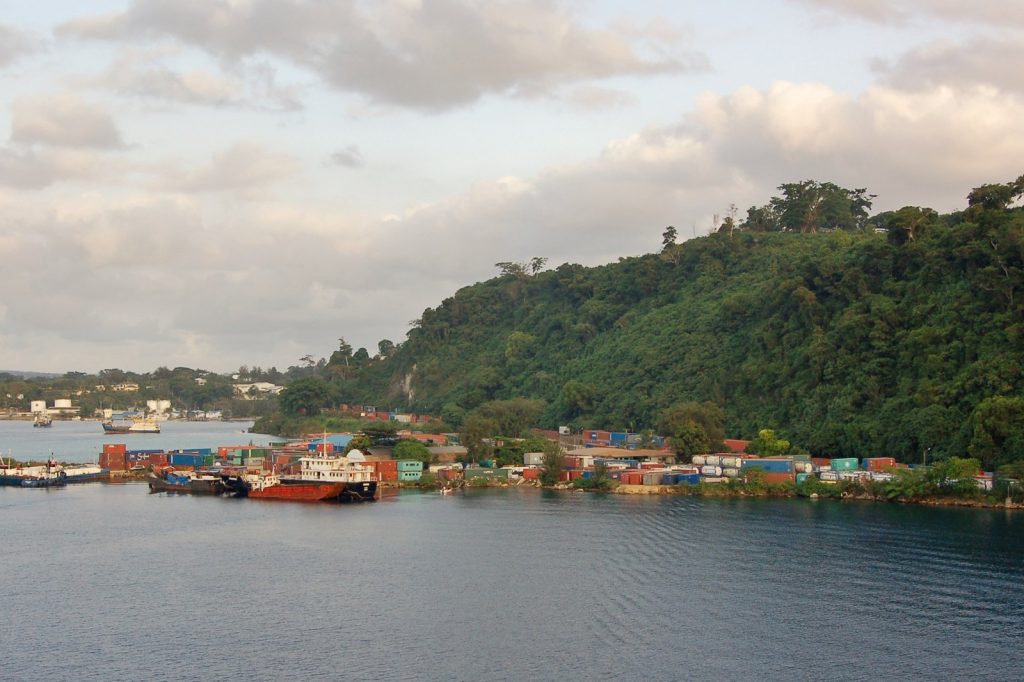
Tsunami from 7.3 Magnitude Earthquake in Port Vila Presents a Significant Threat to Coastal Areas and Communities
In Port Vila, Vanuatu, on December 17, 2024, a 7.3-magnitude earthquake occurred, resulting in a tsunami of 25 centimeters, or approximately 10 inches. This wave, while seemingly insignificant compared to typical tsunami heights, posed a unique danger to coastal communities in the region. The earthquake struck at 12:47:26 local time, and the ground stopped shaking minutes later, but the sea continued to churn.
A 25-centimeter tsunami may not be catastrophic, but it can still flood low-lying areas, contaminate freshwater supplies, damage boats and docks, and disrupt the infrastructure that people rely on for food and transport. In response, authorities issued warnings, and people moved to higher ground.
The death toll stands at 14, and 265 were injured due to the earthquake-related incidents such as collapsing buildings and falling debris. Thankfully, the tsunami did not contribute to this count, as per the latest reports. However, it heightened the emergency response efforts, as search and rescue teams had to shift their focus from rescuing individuals trapped in debris to monitoring the shoreline.
Port Vila, the capital city, sustained significant damage from the earthquake, affecting buildings and infrastructure across the city and surrounding areas. The full extent of this damage is still being assessed, with essential services potentially facing disruptions. Reconstruction plans have not yet been finalized.
Vanuatu, a country situated on the Ring of Fire, is no stranger to earthquakes and the subsequent tsunami warnings. However, the reality of these events can be vastly different from the protocols. A 25-centimeter wave may not look alarming on a news graphic, but for a coastal village family, it means hastily gathering belongings and evacuating. It means hours of uncertainty, waiting to see if their homes remain dry.
The earthquake occurred at 01:47:26 UTC, which is 12:47 p.m. local time. This timing allowed people to be out and about, whether at work, school, or market, when the tsunami warning was issued. The daylight also allowed them to observe the water and make informed decisions about where to seek safety.
The report describes the tsunami as “relatively small in terms of wave height,” yet it also highlights that it “poses a significant threat to coastal areas and communities.” This dual statement suggests that while the tsunami may not have been particularly tall, it still posed a considerable challenge in a city already struggling with earthquake damage.
Roads weakened by the earthquake may not be able to withstand a saltwater surge. Emergency vehicles may face difficulties reaching people if coastal routes are flooded. Medical supplies stored near the shore may need to be relocated. Authorities are closely monitoring the situation, waiting, watching, and measuring the impact of the tsunami.
Fourteen people lost their lives, 265 were injured, and a city was left in ruins. Yet, a 25-centimeter wave has left everyone looking out at the ocean with a sense of wonder and apprehension.




