Why Icy Comets Cannot Deliver Life’s Building Blocks to Earth
For more than sixty years, one of the most appealing answers to how life began on Earth has been that comets brought the raw ingredients with them. New computer simulations from the University of Cambridge now suggest that idea is highly unlikely, because the molecules would be destroyed before they ever reached the ground.
The work, published in the journal Scientific Reports, used the latest models of comet formation and evolution to simulate the bombardment of the early Earth 100,000 times. The results were stark: on average, no comet impact successfully delivered intact organic molecules, according to the study.
The Get Out of Jail Free Card
Life on Earth needs complex organic molecules, but it is unclear whether the early planet had enough raw material to start prebiotic chemistry, the reactions that produce life’s building blocks. Comets, made of dust and ice but also containing organic material, earned the nickname “dirty snowballs” and seemed a natural delivery service. They are rich in carbon- and nitrogen-bearing chemicals that researchers think are important for the origins of life.
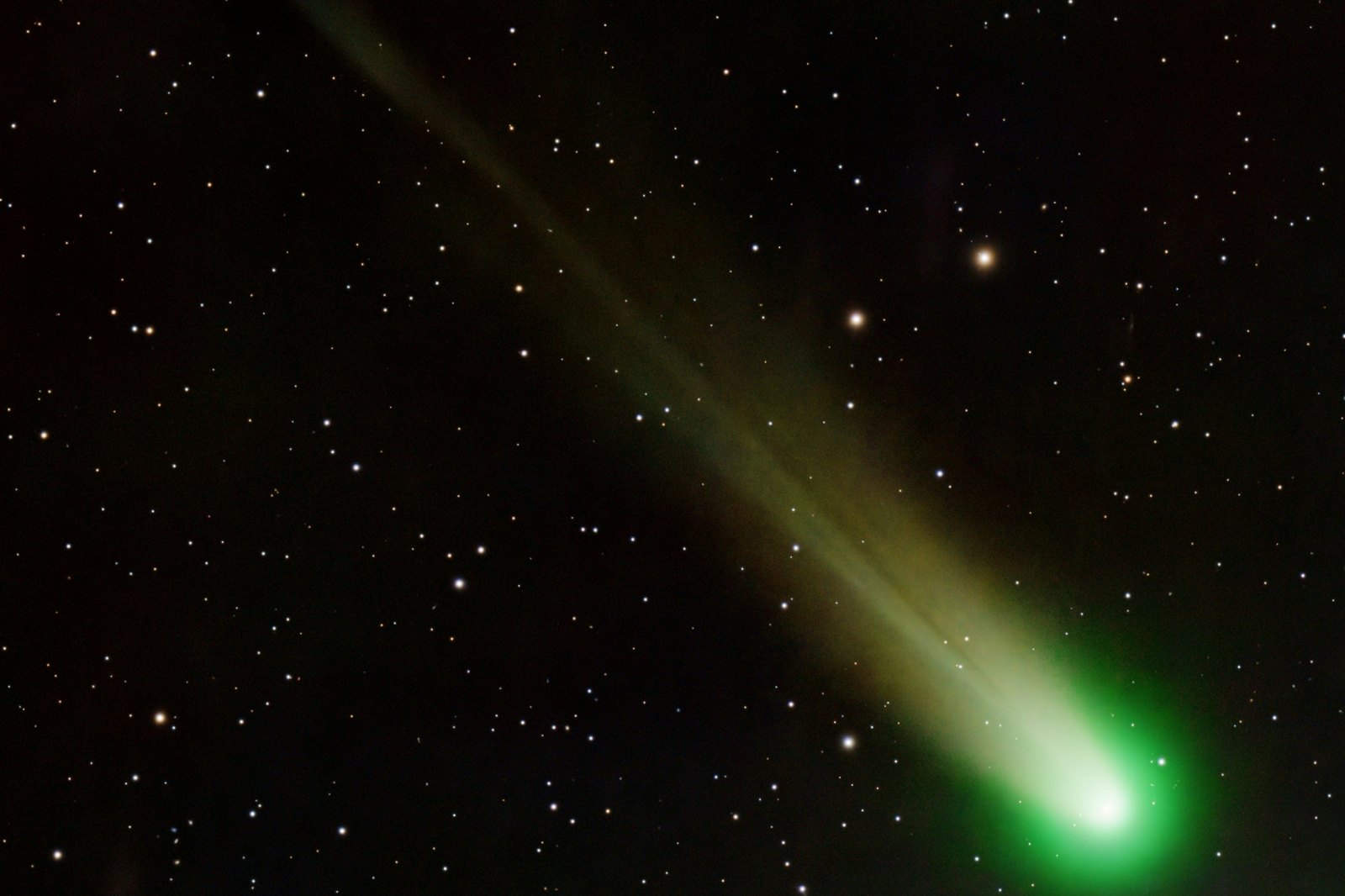
Lead author Richard Anslow, who carried out the research while completing his doctorate at Cambridge’s Institute of Astronomy, told the Daily Mail that comets had become something of a “get out of jail free card” for scientists trying to explain where those molecules came from. The broader idea that life’s ingredients arrived from space, known as panspermia, is older still, scientifically postulated in 1908. The comet version of the theory dates back to at least 1961.
How It Works: Speed and Angle
The problem is not what comets carry but how they arrive. The vast majority enter too fast and hit the atmosphere at too steep an angle to survive. Small comets are blasted into pieces by the sudden shock, and the fragile organic molecules inside would almost certainly vaporise on impact. Any stragglers would be vaporised when they hit the ground.
Anslow’s team focused on hydrogen cyanide, a feedstock chemical made of hydrogen, carbon and nitrogen. It was considered a promising candidate because it is exceptionally abundant in icy comets from the outer solar system and potentially tough enough to survive an impact. The simulations showed comets could not have delivered nearly enough of it to start life’s chemical chain reaction.
“The typical velocities of these comets when they impact the Earth meant that actually very few, if any, would have been able to deliver intact organic molecules, so comets actually don’t seem to be as useful for prebiotic chemistry as was previously thought,” Anslow said, according to CNN.
A Hundred Thousand Impacts, Almost No Successes
Early in its history, more than 4 billion years ago, Earth may have experienced a period of heavy bombardment from more than 100,000 comets larger than 100 metres, according to the new study. Those impacts were mostly too heavy for life-starting molecules to withstand.
In the simulations, 54% showed no impact at all, while the remaining 46% had at least one, with a “tiny minority” producing the conditions needed. “Given what we know about surface environments on the early Earth, on average, our simulations found that there were no successful impacts,” Anslow told CNN.
Anslow had previously suggested comets might slow down by “bouncing” through systems where planets orbit close together, arriving below nine miles per second, a speed that could allow organic molecules to survive. The new work shows the likelihood of that working on Earth is extremely slim. “It would really have to be a one-in-a-million occurrence,” he said in a statement about the work, “because not only would you need an impact at just the right speed and just the right angle, you would also need everything to happen after that point, in terms of the concentration and the speed at which the chemical origins of life got going.”
He added: “It’s kind of a romantic idea, but our results suggest it’s highly unlikely.” The paper describes cometary delivery at best as a “one-off fluke” rather than the steady rain of raw materials previously envisioned.
The Bennu Complication
The findings do not rule out space as a source of life’s ingredients. Samples taken from an asteroid called Bennu contained 14 of the 20 amino acids that life uses to build proteins and all five of the molecules that make up DNA and RNA. That discovery supported the “RNA world” hypothesis, which holds that the earliest life relied on self-replicating RNA molecules before DNA and proteins appeared. Asteroids, it seems, may be a different story from comets.
“We can’t rule out for certain that it happened that way,” Anslow said. The question now is not whether space delivered anything, but which objects could have done so without destroying their cargo on arrival.
Sources
- Decades-old theory on how life on Earth started is WRONG
- On the Origin of Species
- Scientists say decades-old theory on the origin of life might be wrong | CNN
- We Were Totally Wrong About How Life on Earth Started, Study Suggests
- New Research Challenges Comet Theory of Life's Origin on Earth
- Decline and Fall of Dawkins’s Meme Concept
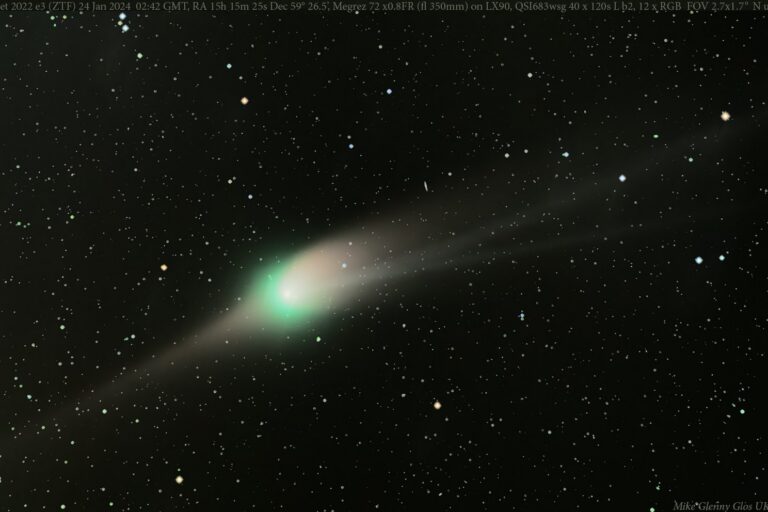
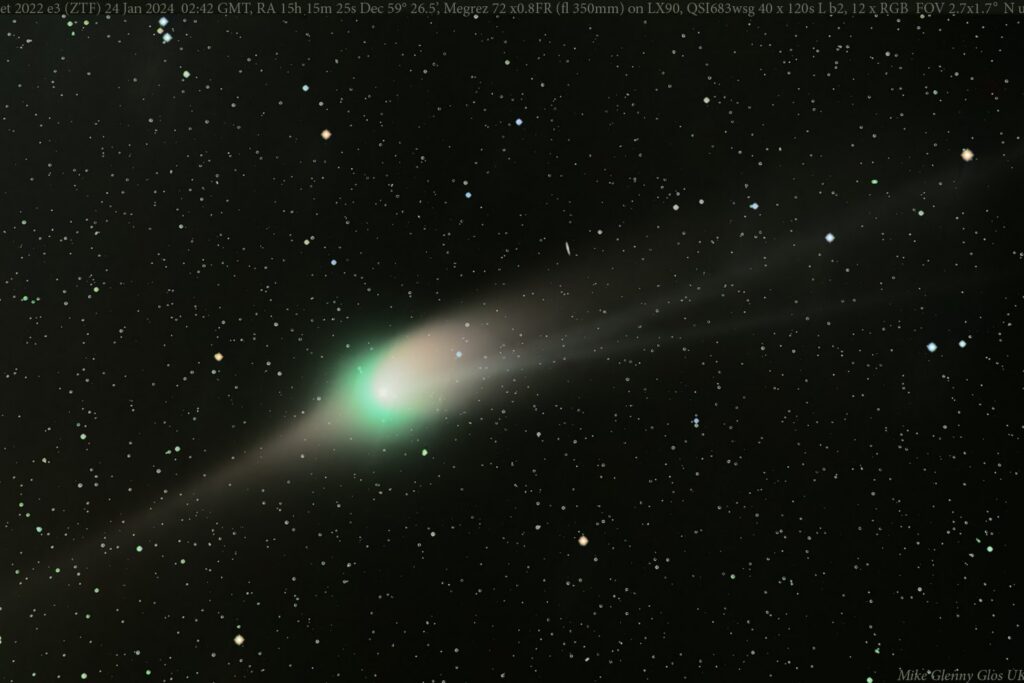
Photo: Mike Glenny (CC BY 2.0)