A dinosaur fossil sat in a London museum for 25 years wearing the wrong name tag. When researchers finally reanalysed the specimen, they found it was not an Iguanodon at all, but a previously unknown species they named Paludohadros proudlovii.
The Curiosity That Started It All
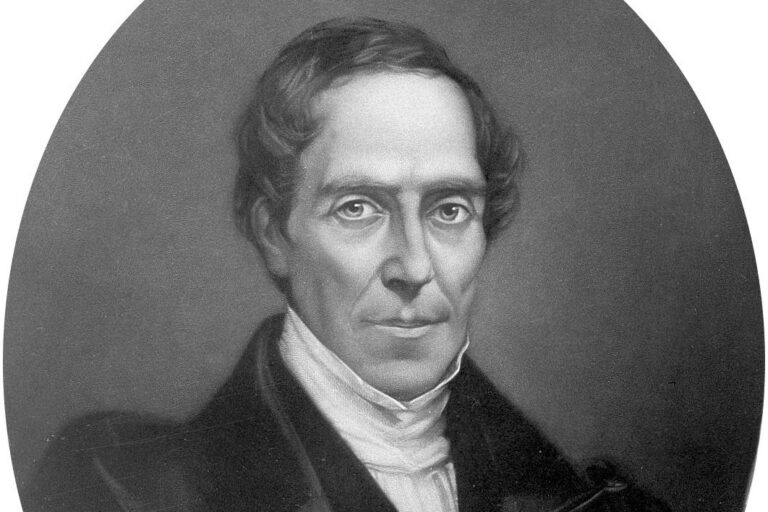
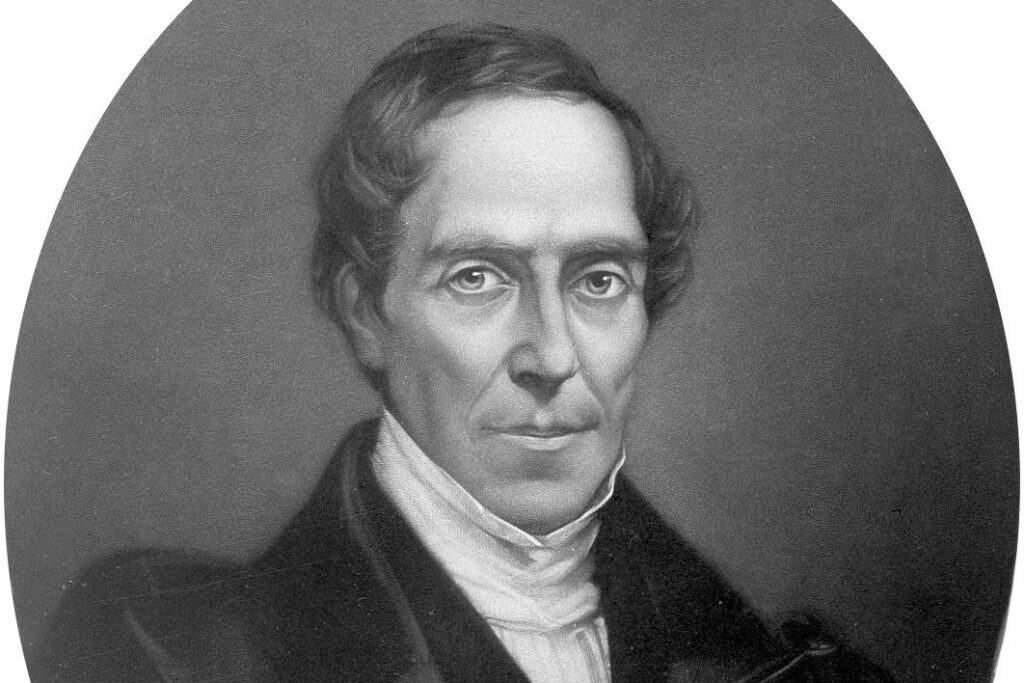
The story of why Iguanodon was among the very first dinosaurs to be scientifically named begins in early nineteenth-century England. Quarry workers and fossil collectors were pulling strange bones from the Weald Clay of Sussex and Kent. In 1822, Gideon Mantell, a doctor and geologist from Lewes, acquired a set of fossilised teeth that looked, intriguingly, like those of a modern iguana — only vastly larger. The science behind the identification was straightforward: the teeth were leaf-shaped and serrated, built for cropping tough vegetation. Mantell recognised they belonged to a giant, extinct herbivorous reptile.
Naming the Beast
Mantell formally named the genus Iguanodon in 1825, giving it the species name I. anglicus. The name means “iguana-tooth,” a direct nod to the distinctive teeth that started the whole inquiry. It was the second dinosaur to be formally named based on fossil specimens, following Megalosaurus, which had been described a year earlier. In that sense, Iguanodon helped define what a dinosaur actually is.
How the Picture Changed
For more than a century, Iguanodon served as a catch-all for similar fossils found across Europe and beyond. But taxonomic revision in the early twenty-first century tightened the definition. Researchers found that the English material assigned to Iguanodon actually belonged to at least four distinct genera — Mantellisaurus, Barilium, Hypselospinus, and a valid Iguanodon species anchored on the Belgian Iguanodon bernissartensis. The original type species, I. anglicus, is now considered a nomen dubium, too fragmentary to diagnose. What researchers found was that the name “Iguanodon” now rests on the well-substantiated Belgian skeletons discovered in 1878.
New Species Hiding in Plain Sight
That taxonomic clarity is what made the recent Paludohadros discovery possible. A detailed reassessment of Mantellisaurus published by Natural History Museum researchers in 2023 clarified anatomical differences that had been overlooked. Those distinctions helped palaeontologists recognise several separate iguanodontians, including Brighstoneus, Comptonatus, Istiorachis, and now Paludohadros. The Paludohadros fossils were unearthed in a Surrey clay quarry in 2001, just 100 metres from where the famous fish-eating predator Baryonyx had been found in 1983. The specimen, a juvenile about 16 feet long and weighing up to 2.2 tonnes, sat in the Natural History Museum collections until a study published in the Journal of Systematic Paleontology identified it as a new genus and species — the fifth iguanodontian recognised from the Weald Clay. Its name, Paludohadros, means “swamp hadrosaur” in Latin, reflecting the wetland habitat it inhabited roughly 125 million years ago.
What Comes Next
The identification has prompted scientists to revisit other fossils that have spent decades in museum drawers. Professor Susannah Maidment, senior author of the research at the Natural History Museum and the University of Birmingham, notes that Baryonyx’s last meal included a baby iguanodontian found nearby — possibly a young Paludohadros. The Weald Clay Formation, with its seasonal flooding and rich swamp-like ecosystem, is yielding a clearer picture of Early Cretaceous England, one reanalysis at a time.
Sources
- A New Dinosaur Sat in a London Museum for 25 Years, Mislabeled as Iguanodon
- Iguanodon
- A New Dinosaur Sat in a London Museum for 25 Years, Mislabeled as Iguanodon
- A 113-million-year-old baby dinosaur found in South Korea has been named after cartoon character Dooly, revealing the countryâs first dinosaur skull remains
- Vintage Dinosaur Art: Jurassic Park Institute – Part 3
- Scientists Discover a New Dinosaur Species Hiding in Plain Sight for 25 Years
Photo: Wikimedia Commons (Public domain)