
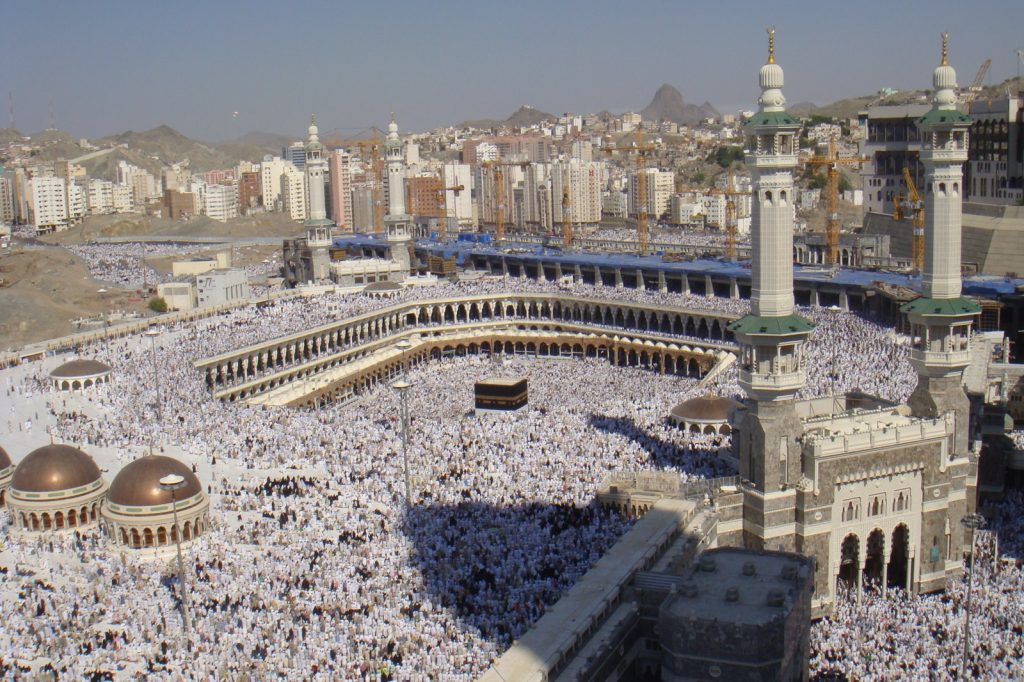
The 2024 Hajj disaster did not happen in a single day. It built over nearly a week, with heat-related illnesses climbing from June 14 onward. By June 16, the situation had snapped.
At least 2,764 cases of heat stroke and other heat-related illnesses were recorded that day alone. The final death toll reached 1,301.
That number matters. It is not just a body count. It is a measure of failure.
The Saudi authorities had poured money into infrastructure and medical facilities. They built cooling systems, clinics, and shelters.
None of it was enough. The Grand Mosque of Mecca hit 51.8°C (125.2°F). That temperature makes it one of the hottest places on earth at that moment.
No amount of shaded walkways or water stations can fully counter that kind of heat when hundreds of thousands of people are packed into a small area. The victims were not a random slice of humanity. Many were elderly.
Many had pre-existing medical conditions. The Hajj is a physical ordeal even in mild weather.
In extreme heat, it becomes lethal for the vulnerable. The pilgrims came from all over the world. Some from cooler climates.
Some from countries with little preparation for heat waves. They were caught off guard.
This is not a one-off event. The report notes that scientists point to changes in global weather patterns. Heatwaves are growing more frequent and more severe.
Mecca is not exempt. The question is whether the Saudi emergency response plans can adapt fast enough. The scale of the disaster exposed the limits of the current approach.
The authorities will have to review their plans. That is the polite way of saying they need a fundamentally different strategy.
The timing is brutal. The Hajj follows a lunar calendar, so it shifts earlier each year by about eleven days. For the next several years, it will fall in the hottest months of the Saudi summer.
The conditions that killed 1,301 people in 2024 may be the new baseline, not the worst case. What does a review of emergency plans actually look like?
It means more medical staff, more cooling equipment, more real-time monitoring of heat stress. It means identifying vulnerable pilgrims before they collapse. It means having a plan to move people out of danger zones quickly.
The Saudi government has the money. It has the engineering capacity. What it did not have in 2024 was a system that worked at the necessary scale.
The disaster raises a harder question. The Hajj is a religious obligation for every Muslim who is physically and financially able.
That obligation does not change because the weather does. But the physical ability to perform it does change when temperatures exceed 50°C. Some pilgrims will die regardless of what the authorities do.
The question is how many. The deaths are not abstract.
Each one is a person who traveled thousands of miles for a sacred act. Each one leaves a family. The Saudi authorities provided medical aid.
They set up shelters. But the heat did not care. It did not stop because the infrastructure was expensive.
It did not stop because the pilgrims were devout. It just kept rising.
The 2024 Hajj is a warning. The next one will come. The heat will come with it.
The only variable is whether the authorities will have learned enough to keep the death toll lower.




