
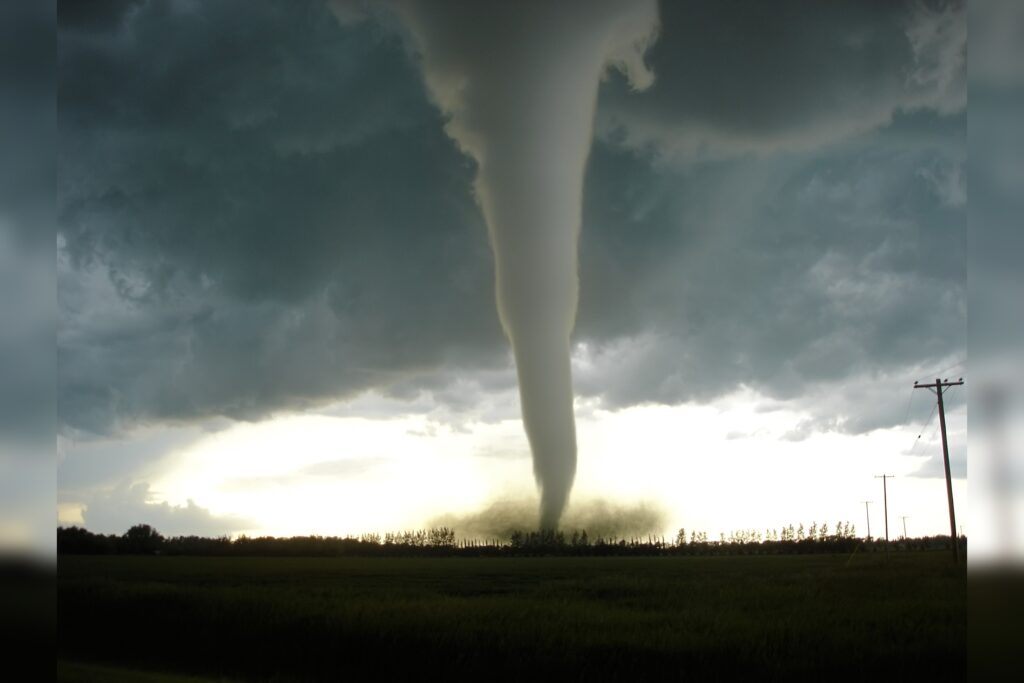
An overnight series of tornadoes ripped through parts of Texas, Oklahoma and Arkansas on May 25, leaving a trail of destruction that has claimed 15 lives. The storms brought intense winds and heavy rain, flattening homes, damaging businesses and crippling local infrastructure.
Emergency crews remain on the scene, but officials say a full accounting of the damage will take weeks to complete. Rescue operations are under way across the three states as authorities assess the scale of the disaster. Early reports describe shattered roofs, uprooted trees and flooded streets, while power outages have left many neighborhoods in the dark.
The loss of life and property underscores the region’s vulnerability to severe weather and the need for swift, coordinated response efforts. Scientists are still examining the atmospheric conditions that spawned the tornadoes.
Some researchers suggest that shifting weather patterns may be contributing to a rise in extreme events, though a direct link to broader climate trends has not been definitively established. What remains clear is that such phenomena can produce catastrophic outcomes when they strike populated areas. State and local leaders have pledged immediate assistance, emphasizing both short‑term relief and long‑term rebuilding. Priorities include restoring essential services, providing shelter for displaced families and supporting businesses that suffered damage.
Officials also highlighted the importance of strengthening critical structures—such as schools, hospitals and utility networks—to better endure future storms. In addition to traditional recovery measures, policymakers are discussing the integration of sustainable practices into reconstruction.
Incorporating green building techniques and renewable energy systems, such as solar panels and wind turbines, is being presented as a way to reduce future vulnerability while creating new jobs and economic opportunities in the affected communities. The financial toll of the outbreak is expected to run into the millions, as homeowners and commercial owners face costly repairs or replacement of damaged property. Yet officials view the rebuilding phase as an opportunity to modernize the region’s infrastructure, improve energy security and promote environmental stewardship.
National organizations, non‑profits and volunteers have begun mobilizing resources to aid the recovery. Donations of food, water, clothing and medical supplies are being distributed, while volunteer teams assist with debris removal and temporary housing set‑up.
Continued support from federal agencies will be crucial to sustain these efforts over the coming months. Beyond the immediate response, the disaster has sparked broader conversations about preparedness and climate resilience. Community leaders are urging residents to stay informed about severe‑weather alerts, develop personal emergency plans and participate in local mitigation projects that can lessen the impact of future storms.
As the affected counties work toward rebuilding, the emphasis on sustainable, resilient design aims to create neighborhoods that can better withstand extreme weather while contributing to a cleaner environment. The hope is that, through coordinated action and a focus on green infrastructure, the region will emerge stronger and more adaptable.




