
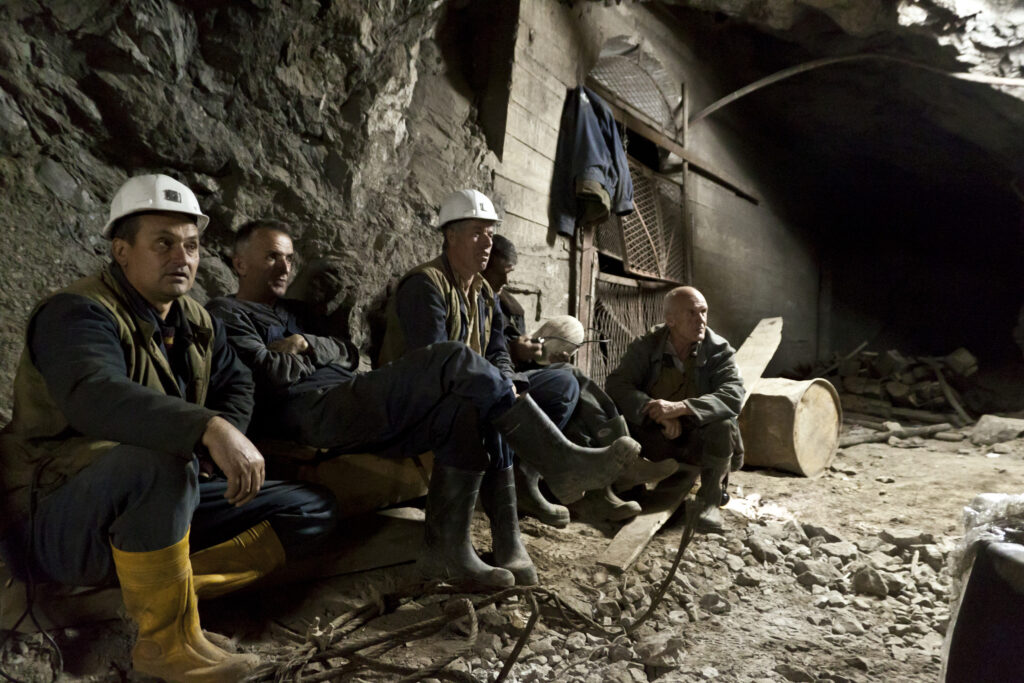
On September 24, 2025, rescue crews in Segovia, Antioquia, announced that every one of the 23 miners trapped when a gold‑mine shaft collapsed two days earlier had been brought to the surface alive. The operation, which relied on pipelines to deliver food, water and oxygen to the men deep underground, concluded after intensive work through hazardous terrain.
Families and residents of the surrounding community expressed palpable relief as news of the successful extraction spread. The miners, who had endured 48 hours without direct contact, survived thanks to the sustained supply of essentials through the makeshift pipelines, a testament to the planning and perseverance of the rescue teams. Colombia’s mineral sector, a cornerstone of the national economy, includes extensive gold extraction alongside coal, hydroelectric potential, petroleum, nickel, platinum, silver, copper and iron ore. The country holds the largest coal reserves in Latin America and ranks second to Brazil in hydroelectric capacity.
While these resources fuel growth, they also bring environmental and safety challenges, highlighted by the Segovia incident. Gold mining in the region has long been associated with difficult and risky working conditions.
The collapse that trapped the workers underscores the hazards miners face, especially in operations where deforestation, water contamination and soil degradation are common side effects. The use of mercury and other toxic substances in gold extraction further threatens the health of miners and nearby communities. The Segovia rescue required careful coordination.
Rescue personnel drilled boreholes and installed pipelines that conveyed nourishment and breathable air to the trapped group. Over the course of the two‑day ordeal, teams navigated unstable ground, overcame logistical obstacles and maintained continuous communication with the miners until the final extraction.
Officials indicated that the focus will now shift to investigating the cause of the shaft failure and implementing measures to prevent similar accidents. The incident adds to ongoing discussions about enforcing stricter safety standards and adopting more sustainable mining practices across Colombia’s mineral industry. Looking ahead, the Colombian government, industry leaders and civil‑society groups are being urged to strengthen regulations that protect both workers and the environment.
Emphasis is being placed on reducing reliance on hazardous chemicals, improving mine ventilation, and ensuring that emergency response plans are robust and well‑funded. In parallel, Colombia’s abundant hydroelectric resources present an opportunity to lessen the environmental footprint of mining activities.
Investment in renewable energy, particularly hydro power, could diversify the country’s energy mix, lower dependence on fossil fuels and support cleaner mining operations. The successful rescue in Segovia stands as a reminder of both the perils inherent in the mining sector and the capacity of coordinated emergency response to save lives. As the rescued miners begin recovery, the episode is expected to catalyze renewed attention to safety protocols, environmental stewardship and sustainable development within Colombia’s thriving mineral economy.




