
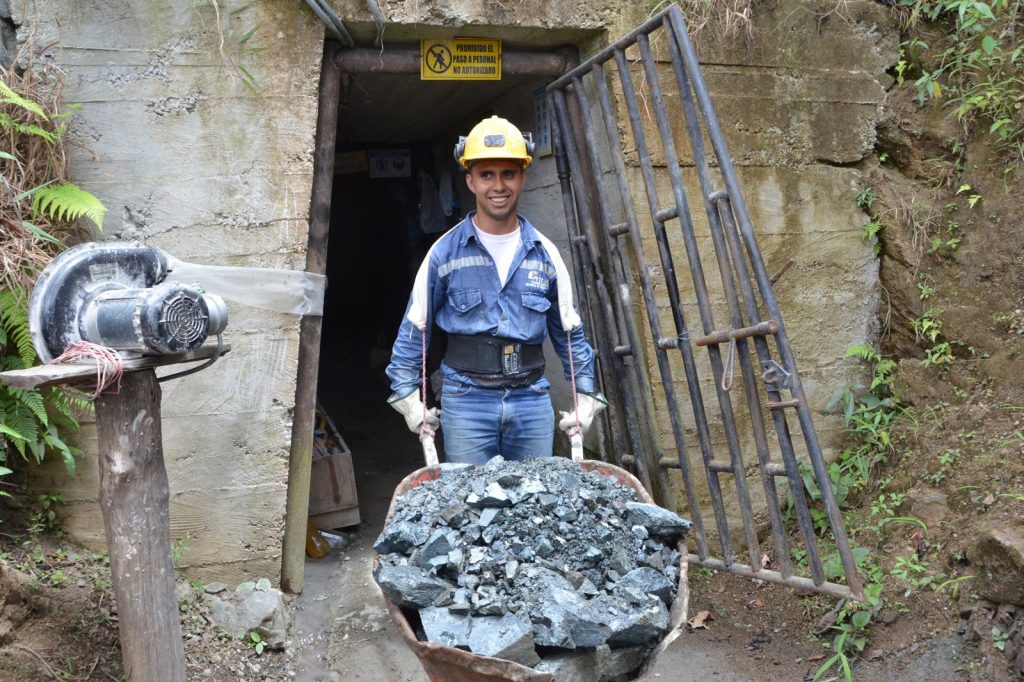
In the rural town of Segovia, Antioquia, Colombia, a remarkable story of survival unfolded. For two harrowing days, 23 miners were ensconced a mile beneath the earth, their only connection to the surface a fragile pipeline delivering sustenance and life-giving elements. Their ordeal commenced on September 22, when a gold mine shaft caved in, plunging the miners into the unknown depths.
Rescue teams worked tirelessly for 48 hours, excavating, drilling, and threading supply lines through the debris-ridden shaft. By September 24, their efforts bore fruit as each miner emerged, unscathed, into the blinding daylight.
No lives were lost in this harrowing incident. However, this headline of survival masks a grim reality about the daily struggles faced by Colombia’s miners. Colombia is the leading coal reserve in Latin America and ranks second only to Brazil in hydroelectric potential.
The country’s soil is rich in gold, platinum, silver, copper, iron ore, nickel, and petroleum, resources that power its economy. Yet, these riches come at a steep price.
Mining, particularly gold, is a brutal and dangerous endeavor. The Segovia mine is but one of many in the region. Shafts crumble without warning, and the miners, exposed to toxic dust, handle mercury to separate gold from ore.
Mercury, a persistent pollutant, accumulates in tissue, water, and the food chain. Deforestation follows the miners, soil degrades, and rivers run milky with sediment and toxins.
The pipeline that delivered supplies to the trapped miners was a lifeline, indeed. Yet, it was also a makeshift solution for a systemic problem. Conditions in Colombian mines make collapses predictable.
The question is not if another shaft will fall, but when, and how many will be trapped inside. The relief in Segovia was palpable when the first miner emerged.
The local community erupted in joy, their emotion a testament to the value of human life. However, this moment of triumph was short-lived. The miners will return to the depths, as is the nature of the industry. Colombia’s mineral sector does not halt for grief.
Gold prices remain high, driving the economy. The government grants mining licenses, companies push for production, and miners fight for wages.
The ground gives way, and this rescue was no exception. While a success by any measure, the rescue did not address the systemic issues plaguing the mining industry. Mercury poisoning, a long-term consequence of this work, did not manifest during the rescue.
It will reveal itself in neurological damage, birth defects, and communities denied compensation. Deforestation will not reverse itself, and water pollution will persist, long after the cameras have left.
Colombia has the means to regulate this industry more stringently. It has laws on paper. Enforcement, however, is another story.
Illegal mines outnumber legal ones in many regions, and even legal operations cut corners. The miners in Segovia were fortunate.
Their survival was a miracle. Yet, the same ground that trapped them will trap others. The same mercury will poison the next generation.
The same economic pressures will drive men into the same holes. The rescue ended well, but the industry remains unchanged.
Related Stories
17 Miners Trapped in Peru Gold Mine After Attack
260 Miners Trapped After South Africa Gold Mine Collapse
Mali Gold Mine Flood Kills 13 Artisanal Miners




