
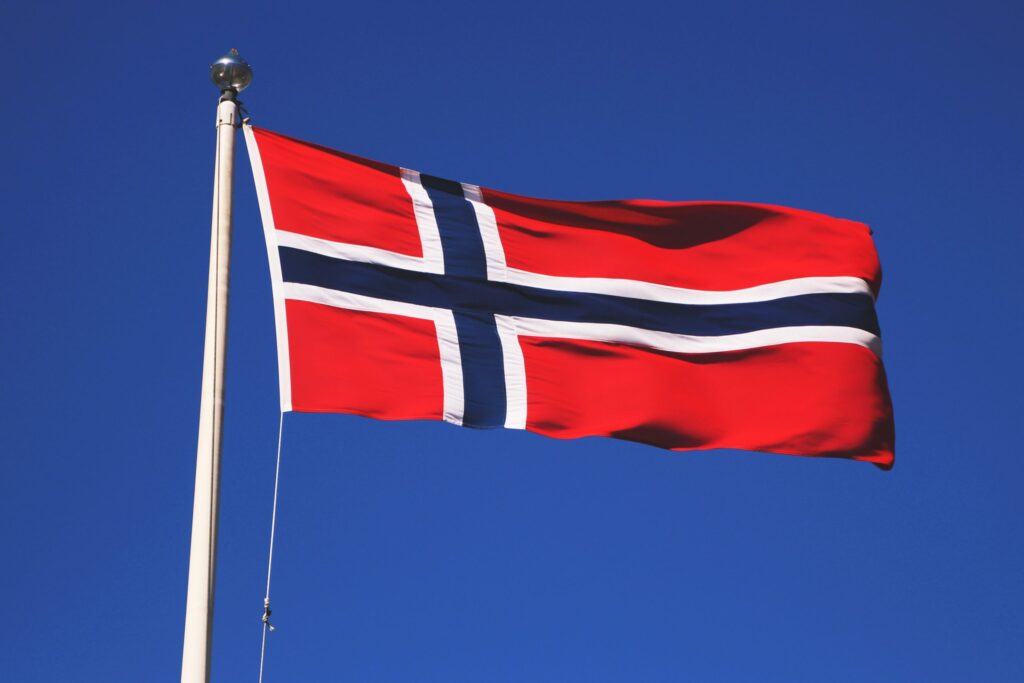
What’s changing, in the Norway of 1905, was everything: the union forced on Norway in 1814 ended, a king was chosen by ballot, and a war was talked down by the people expected to fight it. The shift is one of the tidiest secessions in European history, and it turned on two votes – one in Norway, one that never had to be counted in Sweden.
The union was never voluntary. When the Napoleonic Wars ended in 1814, Europe’s great powers handed Norway, after centuries of Danish rule, to Sweden; Norwegians answered with the Eidsvoll constitution of 17 May, a brief war, and then a compromise that let them keep parliament and law while Stockholm ran foreign policy. The running sore was the consular service: Norway’s merchant fleet was among the world’s largest, yet its trade interests abroad answered to Stockholm. When Oscar II let the consulate negotiations collapse in February 1905 and later vetoed Norway’s consular law, the government in Christiania resigned, and on 7 June the Storting declared the union dissolved. Oscar II ceased to be Norway’s king that day.
Sweden’s establishment wanted a reckoning. The press thundered about revolution; on 14 June the general staff asked for three weeks to plan mobilisation, and on 20 June an extraordinary Riksdag session convened to weigh war or peace. What stopped the slide was organised labour. The young Social Democratic Youth League, meeting in congress days after the dissolution, printed over 100,000 leaflets declaring “that it is a crime against the peaceful people of Sweden to incite war against a brother people”, pledging workers “never to comply with a call to arms” and threatening to stop work entirely – no small thing from a movement that had put 120,000 workers into the streets in the 1902 suffrage strike. Party membership would more than triple between 1900 and 1907, from 44,100 to 133,388, and the ruling class did the arithmetic.
Norway then settled its own question by referendum. Offered first to a prince of the Bernadotte house – Oscar declined – the throne went to Prince Carl of Denmark, married to King Edward VII’s daughter Maud and insistent that he would accept only if the people truly wanted a monarchy. On 12-13 November they answered: 259,563 votes for the monarchy against 69,264 for a republic. He took the name Haakon VII, renamed his son Olav, and sailed into the Oslo Fjord through snow on 25 November, where Prime Minister Christian Michelsen greeted a king “Chosen by a free people as a free man”. The oath came 27 November; the coronation at Nidaros followed in June 1906.
Watch this space of history: the union died by resolution, the crown by ballot, and the war by a working class that simply declined to attend.
Sources
- How Swedish workers stopped a war to crush Norway in 1905
- Election of a king – The Royal House of Norway




