
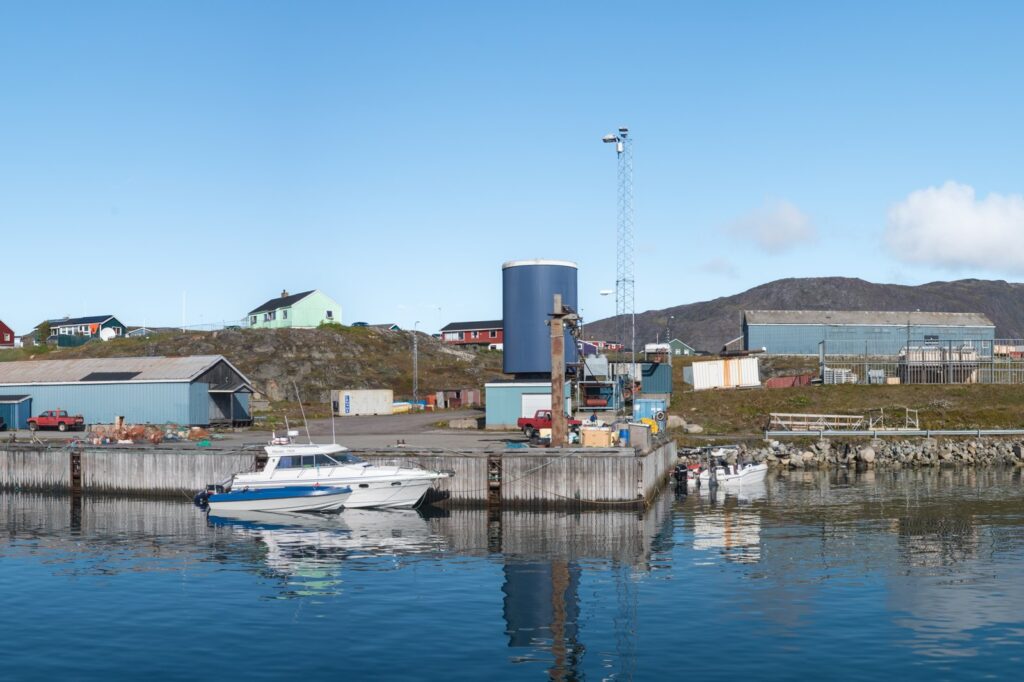
NUUK, October 17, 2026 — Greenland’s parliament unanimously passed a resolution to ban seabed mineral extraction, with the moratorium set to remain in force until the end of 2029 and possible two-year extensions.
The resolution follows a day after US President Donald Trump announced plans for large-scale oil, gas and mineral exploration in Greenland, which he described as “our new and beautiful Greenland” in a social media post. Greenland’s parliament adopted the measure to protect the marine environment and the fishing sector, which lawmakers cited as primary motivations.
Economic Stakes of the Fishing Industry
Lawmakers explained the decision by the need to protect the valuable marine environment and fish welfare. Fishing is an important sector of Greenland’s economy. The territory has not issued new mining licenses since 2021, reflecting a cautious approach to resource extraction amid environmental and economic considerations.
Standoff with US Administration Over Arctic Resources
The vote occurred one day after US President Donald Trump announced preparations for a large-scale search for oil and gas deposits on the island. Trump has argued since 2019 that the US ought to purchase or seize the strategically situated and resource-rich island on security grounds. He has repeatedly declined to exclude the use of force. Denmark’s Ministry of Foreign Affairs stated that the security agreement signed in September does not grant the United States special privileges, and issues of mineral extraction are regulated by Greenlandic legislation.
Environmental and Safety Concerns
Greenland holds one of the world’s most significant underexplored critical mineral endowments. The Tanbreez property in Greenland contains a 28.2 million tonne TREO resource and has been ranked as one of the world’s top rare earth projects. Scientists at the United States Geological Survey have discovered that some metal-rich rocks recovered from the deep ocean can spontaneously combust when exposed to air and processed, raising unexpected safety concerns for a potential new mining industry. Environmentalists have warned that seabed mining could cause irreversible biodiversity loss, particularly in areas containing polymetallic nodules used for electric vehicles, weapons and electronics.
Timeline for Formalizing the Ban
The moratorium on deep-sea mining is to remain in force until the end of 2029 and may be extended for subsequent two-year periods. Parliament is to adopt the law on the moratorium in the first half of 2027. Greenland has not issued new mining licenses since 2021, while the US company Greenland Energy, which has a permit for oil extraction on the island’s east coast, has not started drilling because it lacks final approvals from Greenlandic authorities.
Safety Risks Highlighted by US Geological Survey
Scientists at the United States Geological Survey have discovered that some metal-rich rocks recovered from the deep ocean can spontaneously combust when exposed to air and processed, raising unexpected safety concerns for a potential new mining industry.
This finding adds to environmental warnings about irreversible biodiversity loss from disturbing polymetallic nodules, which contain materials used in electric vehicles, weapons, and electronics.
The safety hazard underscores lawmakers’ caution, especially as Greenland has not issued new mining licenses since 2021 amid ongoing evaluations of extraction risks.
Stance of Environmental Groups on the Moratorium
Environmental organizations have welcomed the moratorium as a precautionary measure against potential ecological harm from seabed mining. Groups such as Greenpeace have long warned that disturbing deep-sea ecosystems could lead to irreversible biodiversity loss, particularly in regions with polymetallic nodules.
These nodules, found in parts of the Pacific Ocean and elsewhere, contain materials essential for electric vehicles, weapons, and electronics, making them a target for mining interests.
Greenpeace, founded in 1971 by environmental activists in Canada, operates through a global network of 26 independent national and regional organisations across more than 55 countries, advocating for ocean protection based on scientific research and direct action.
Sources
- Greenland to introduce ban on seabed mining
- Greenland parliament approves seabed mining moratorium — RMF24
- Greenland Approves Seabed Mining Ban After Trump's Arctic Exploration Announcement – News and Statistics – IndexBox
Photo: Gordon Leggett (CC BY-SA 4.0)




