
SANTA BARBARA DE ISCUANDE, October 20, 2026 — A deadly collapse at an illegal gold mine in southwestern Colombia has killed 14 miners and injured seven others, underscoring the dangers of unregulated mining in remote areas. The incident occurred in the rural Chambero sector of Santa Barbara de Iscuande municipality, located in the department of Narino.
Remote Location Complicates Rescue and Response
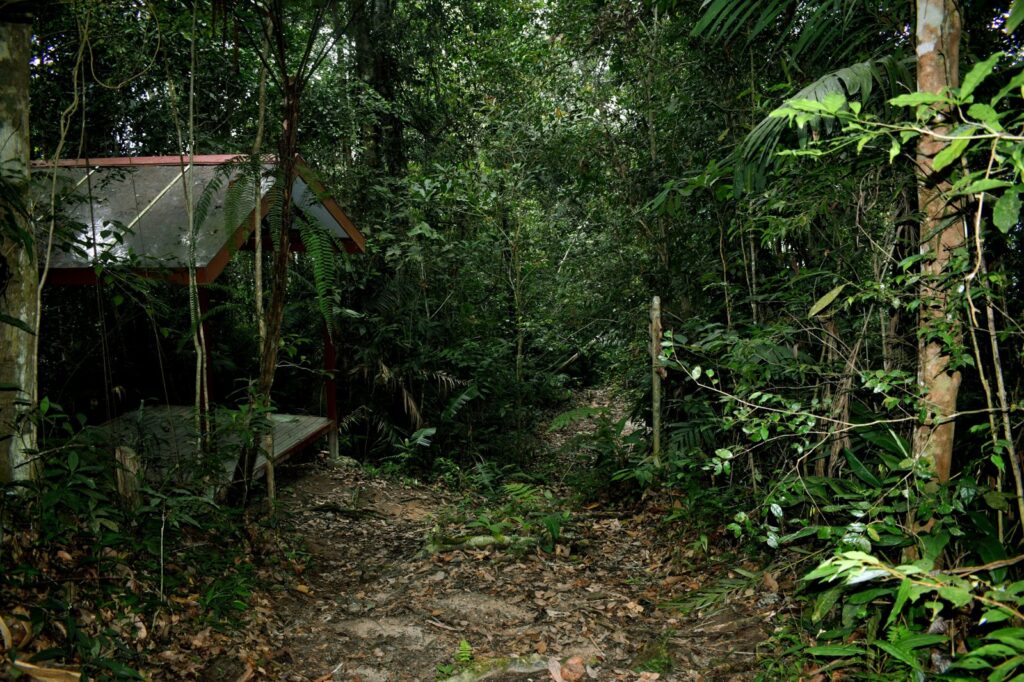
Santa Barbara de Iscuande is a remote area surrounded by dense rainforest, accessible only by boat or small aircraft. This geographical isolation delayed emergency response efforts and complicated medical evacuations for the injured. Four of the seven injured miners were in serious condition and were evacuated by air to Tumaco by the Colombian Army’s Third Division.
Search and rescue operations, led by local authorities, concluded on Monday, according to Narino Governor Luis Alfonso Escobar. However, the governor noted that communication with the site had been difficult due to the region’s inaccessibility and the lack of infrastructure. Officials also reported that an additional 12 to 15 miners were initially believed to be missing, though no further missing persons were confirmed after the search concluded.
Informal Mining and Safety Risks
The mine was identified as an informal operation, lacking the safety infrastructure and oversight that formal mining operations are required to maintain. Informal and unregulated mining is common in rural parts of Colombia, where workers often operate in hazardous conditions with minimal protections.
UN Human Rights Colombia called on authorities to investigate illegal activities and implement measures to protect workers and communities affected by such operations. The organization emphasized the need for improved safety standards and the formalization of small-scale miners to prevent future accidents.
Governor Escobar urged the national government to accelerate efforts to bring informal miners into the formal sector, arguing that improved regulation could help strengthen working conditions and safety standards. He noted that the recent disaster highlights the urgent need for greater state oversight in remote mining regions.
Broader Context of Illegal Mining in Colombia
The incident follows another deadly mining accident in August, when 13 people died in Policarpa municipality, also in Narino. These repeated tragedies have drawn attention to the risks faced by workers in informal mining sites, where safety infrastructure is often inadequate.
A recent government report, published in collaboration with the United Nations Office on Drugs and Crime, identified 118,410 hectares of land showing evidence of alluvial gold mining in 2025. Of that area, 75% was associated with illicit or unauthorized operations. The report also found that 85.6% of municipalities where such mining was identified had a presence of at least one illegal armed group, adding to the complexity of oversight and enforcement in these regions.
These findings highlight the scale of the challenge facing Colombian authorities in regulating informal mining and ensuring the safety of workers in remote and often dangerous environments. The government faces mounting pressure to improve oversight and bring informal miners into the legal system while addressing the dangers associated with unregulated mining in remote communities.
Legal Definition and Operational Hazards
A mining accident is defined as an incident occurring during the extraction of minerals or metals, a category that encompasses both underground coal operations and hard rock mining sites. While coal mining presents specific risks such as flat-lying rock strata, incompetent rock formations, methane gas accumulation, and coal dust, fatal incidents also frequently occur in hard rock environments like the open-pit gold mine where this collapse took place.
The distinction between a severe incident and a general accident often lies in the number of fatalities; an event is typically classified as a mining disaster when it results in five or more deaths. Most fatalities currently occur in developing nations or rural areas within developed countries where comprehensive safety measures are not fully implemented. In such regions, workers often operate without adequate protections, leading to frequent and tragic accidents.
In the context of this event, the collapse occurred at an open-pit mine along the Iscuande River, burying workers instantly. Such incidents highlight how unregulated operations in remote communities lack the necessary infrastructure to prevent these catastrophic failures. The scale of the challenge facing authorities involves not only addressing immediate safety gaps but also bringing informal miners into a legal system that can enforce rigorous operational standards.
Sources
- Colombia illegal gold mine collapse kills 14 people
- Death toll from gold mine collapse in Colombia rises to 14
- At least 14 dead in Colombia mine collapse, highlighting risks of unregulated mining
Photo: Sajith Nayagam / Unsplash (Unsplash License)




