BUKA, November 18, 2026 — Anglo-Australian miner Rio Tinto has agreed to voluntarily contribute US$250 million (A$370 million) to begin remediation of the Panguna mine site in Bougainville, Papua New Guinea. The payout addresses environmental damage left after the mine’s closure in 1989 and sets a financial benchmark for legacy liabilities across the mining sector.
The Settlement and Its Background
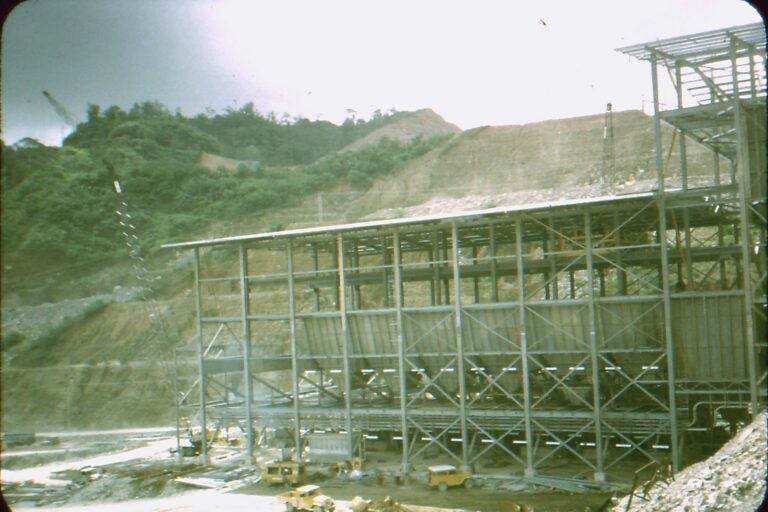
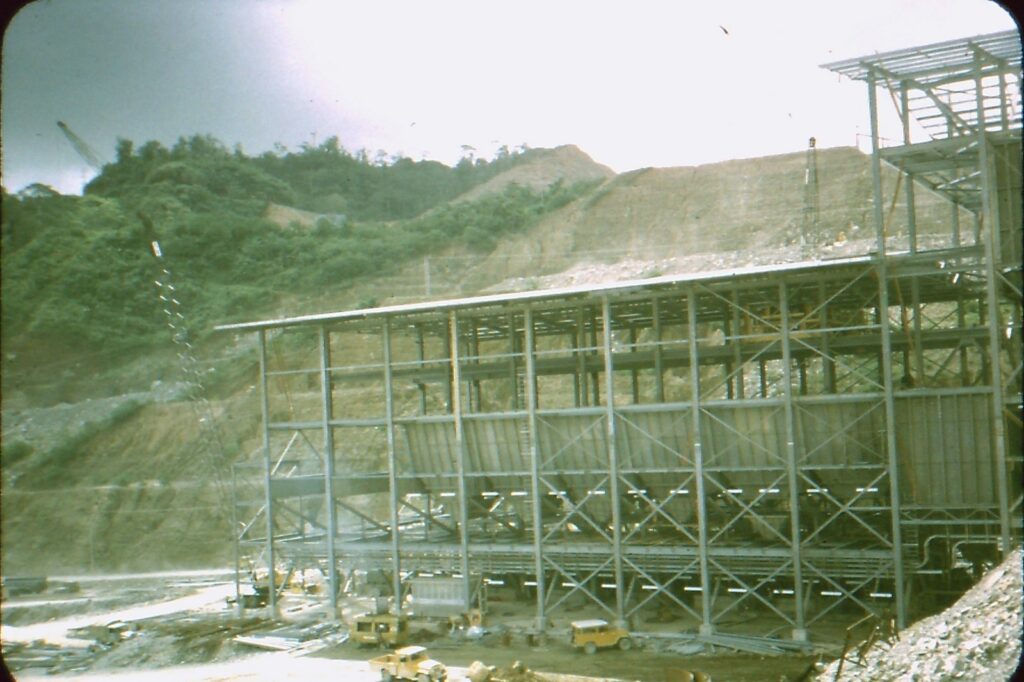
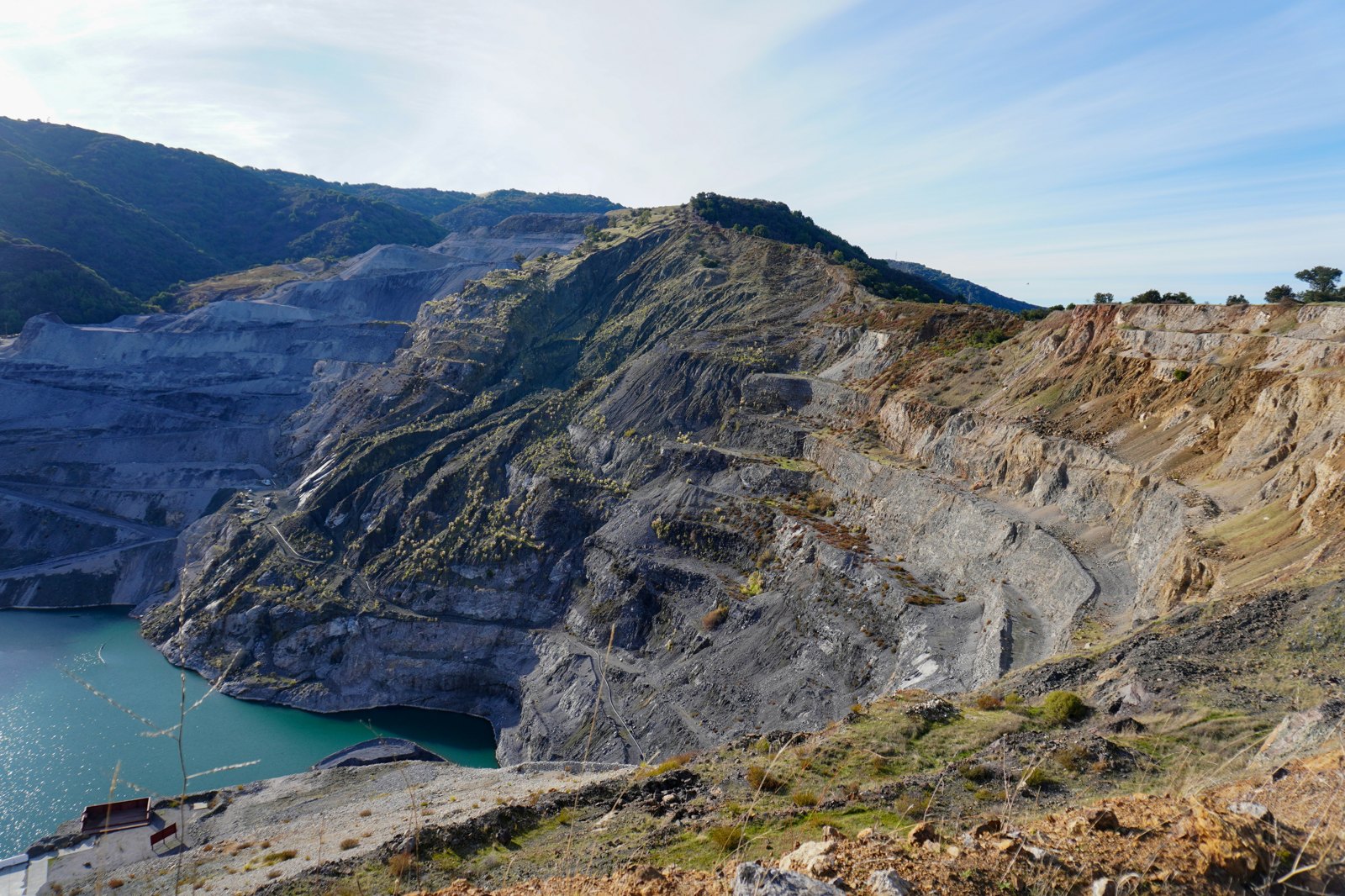
The Panguna mine, once one of the world’s most profitable gold and copper operations, was shuttered in 1989 after protests over environmental damage and profit sharing sparked a decade-long civil war on the island. The mine pit remains a massive scar with unstable rubble and rivers polluted bright blue with toxins, according to The Guardian. Rio Tinto was forced from the island and has never returned, but in recent years participated in the Panguna Mine Legacy Impact Assessment consultation process, initiated in response to a human rights complaint brought by the Australian-based Human Rights Law Centre. The company said the contribution is voluntary.
Theonila Roka Matbob, a former cabinet minister in Bougainville’s autonomous government and Panguna community leader, called the fund a vital foundation for addressing the devastation. “We have a lot of work still ahead of us, but the establishment of this fund gives us the chance to find solutions to the huge problems we have been living with since the days of the mine’s operation,” she said. Matbob said the most fundamental remediation was to improve accessibility for people living around Panguna — access to clean drinking water and infrastructure such as bridges that connect communities to trade, schools and healthcare.
Bougainville President Ishmael Toroama said the money would make a meaningful difference to villages and communities that had suffered from the mine’s pollution. A prominent Bougainville landowner and human rights advocate later described the payout as “genuine giving” that can serve as a foundation for justice, while cautioning that the sum will not restore the environment, the ecosystem, or the social fabric of affected communities, according to the Post-Courier.
Why the Panguna Legacy Matters for Mining Law
The settlement emerged from a legacy impact assessment process rather than a court order, but it establishes a precedent for how mining companies quantify and address historic environmental damage. The mine’s closure triggered a conflict that killed thousands and reshaped Bougainville’s political trajectory toward an independence referendum. Data shows the site’s physical hazards — unstable rubble pillars and toxic waterways — require engineering solutions that go beyond standard site rehabilitation. Officials noted the consultation process itself, driven by a human rights complaint, may become a template for communities seeking redress at other abandoned mine sites globally.
Financial Scale Versus Rio Tinto’s Earnings
Rio Tinto is a dual-listed British-Australian miner ranked 274th on the 2025 Fortune Global 500. The US$250 million settlement represents roughly 0.3 per cent of the company’s 2025 revenue of over US$70 billion. UBS analysts recently noted Rio Tinto is pursuing asset disposals to release up to US$10 billion in capital, with more than US$2 billion already arranged through the proposed sale of the Dampier desalination plant, Kitimat land sales and a lithium prepayment. The Panguna fund is a discrete liability item that does not alter the company’s broader capital release target, but it signals to investors that legacy costs are being actively booked.
Implications for Other Majors
Other majors such as BHP and Vale have faced similar legacy claims, but none have announced a comparable lump-sum remediation fund for a single historic site. BHP and Rio Tinto executives were in Beijing this week for high-level talks with Chinese Premier Li Qiang over iron ore pricing pressure from China Mineral Resources Group, a reminder that current commercial negotiations run parallel to long-tail environmental obligations. Goldman Sachs has trimmed EBITDA forecasts for Australian miners by up to US$9 billion over the next decade amid falling iron ore prices, tightening the margin for unbudgeted liabilities.
What Regulators and Investors May Demand Next
Investors are increasingly scrutinising environmental liabilities, with ESG ratings tied to remediation commitments. The settlement may influence future negotiations with governments and communities over historic mine sites worldwide. Rio Tinto’s own operations continue to draw scrutiny; a minor chemical explosion at its Bessemer City lithium facility in North Carolina injured three workers on November 17, according to WBTV. The company said the facility is its longest-running operational lithium site, dating back to the 1950s. As the Panguna fund is deployed, the pace and transparency of remediation work will become a measurable data point for rating agencies and community stakeholders alike.
Sources
- Rio Tinto (corporation)
- Rio Tinto agrees to pay US$250m to begin repairing ‘devastation’ left by Panguna mine
- Explosion injures 3 at facility in Gaston County, officials say
- Rio Tinto disposal plans could unlock more than US$5bn, UBS says
- BHP, Rio Tinto executives face China iron ore pressure in Beijing talks
- Bougainville leader welcomes Rio Tinto’s K1.1b payout, says money cannot undo environmental damage
Photo: Robert Owen Winkler (Public domain)