
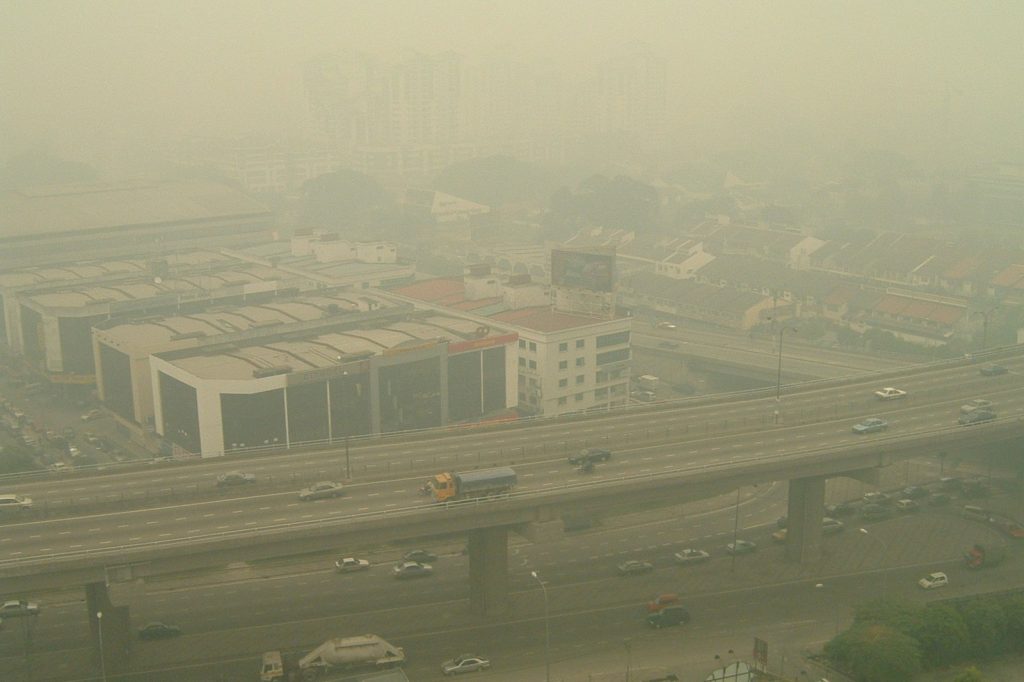
A Regional Pact Against Smoke
Malaysia and Indonesia have established a joint task force dedicated to combating transboundary haze pollution. The agreement was formalized on November 18, 2024, in Kuala Lumpur. Both nations face recurring air quality crises caused primarily by land clearing fires used for agriculture and logging.
These events frequently degrade air quality across Southeast Asia, impacting public health and regional economies. The new initiative aims to coordinate firefighting efforts, share intelligence on illegal burning, and enforce stricter penalties for offenders.
The core of the agreement involves a structured exchange of resources between the Malaysian National Fire and Rescue Department and Indonesia’s National Disaster Management Agency. Under the terms of the pact, specialized aircraft equipped with thermal imaging will be deployed to identify hotspots that are not visible from the ground. Ground crews will receive real-time data regarding wind patterns and fire behavior to prioritize containment strategies.
This operational shift moves beyond previous ad-hoc responses to a systematic approach. The task force will maintain a shared command center accessible to both countries.
This allows for immediate decision-making during active fire seasons. Personnel from both nations will undergo joint training exercises to ensure interoperability of equipment and communication protocols. The goal is to reduce the time required to reach burning areas by at least thirty percent compared to past incidents.
Economic Implications and Health Concerns
Air pollution generated by forest fires carries a heavy economic cost for the region. Tourism sectors in affected areas often see cancellations when air quality indices rise above safe levels. Airlines frequently reroute flights or increase fuel consumption to avoid smoke-filled airspace, leading to higher operational costs.
The agricultural sector also suffers as crop yields decline due to poor growing conditions and pest infestations linked to heat stress. Public health remains the most immediate concern for citizens in both countries.
Respiratory illnesses such as asthma and bronchitis spike during haze events. Hospital admissions increase significantly when particulate matter concentrations exceed World Health Organization guidelines. The joint task force includes a specific mandate to monitor hospital capacity and coordinate medical resources.
This ensures that vulnerable populations receive timely care even when local facilities are overwhelmed by smoke-related emergencies.
Enforcement Mechanisms and Legal Cooperation
Legal cooperation forms another pillar of the new arrangement. Both governments have agreed to streamline extradition processes for individuals caught illegally burning land in protected areas. The task force will facilitate the sharing of satellite imagery and ground reports to build cases against perpetrators.
This evidence is crucial for prosecuting offenders who operate outside their national borders or exploit jurisdictional gaps. The agreement establishes a rapid response legal team capable of issuing warrants across borders within twenty-four hours.
This speed is essential for preventing suspects from fleeing before authorities can apprehend them. Penalties for illegal burning will be harmonized to ensure that the cost of non-compliance outweighs any potential profit from land clearing. Fines and prison sentences will reflect the severity of the environmental damage caused.
Long-term Sustainability Goals
Beyond immediate firefighting, the task force addresses the root causes of haze through sustainable land management practices. Both nations plan to invest in reforestation projects that restore degraded peatlands. These areas act as carbon sinks and reduce the risk of fires spreading underground.
The initiative also promotes alternative livelihoods for farmers who rely on slash-and-burn techniques. Training programs will teach modern agricultural methods that do not require burning vegetation.
Funding for these long-term projects will come from a combination of government budgets and international climate finance. The task force will seek support from global partners to finance technology upgrades and community development schemes. Transparency in fund usage will be maintained through regular public reports.
This ensures accountability and builds trust among stakeholders who depend on clean air and stable ecosystems. The collaboration between Malaysia and Indonesia represents a significant step toward regional environmental security.
By combining military-grade fire suppression capabilities with diplomatic resolve, the two nations aim to create a haze-free future for Southeast Asia. Success in this venture will serve as a model for other regions facing similar challenges from climate change and land use conflicts.




