
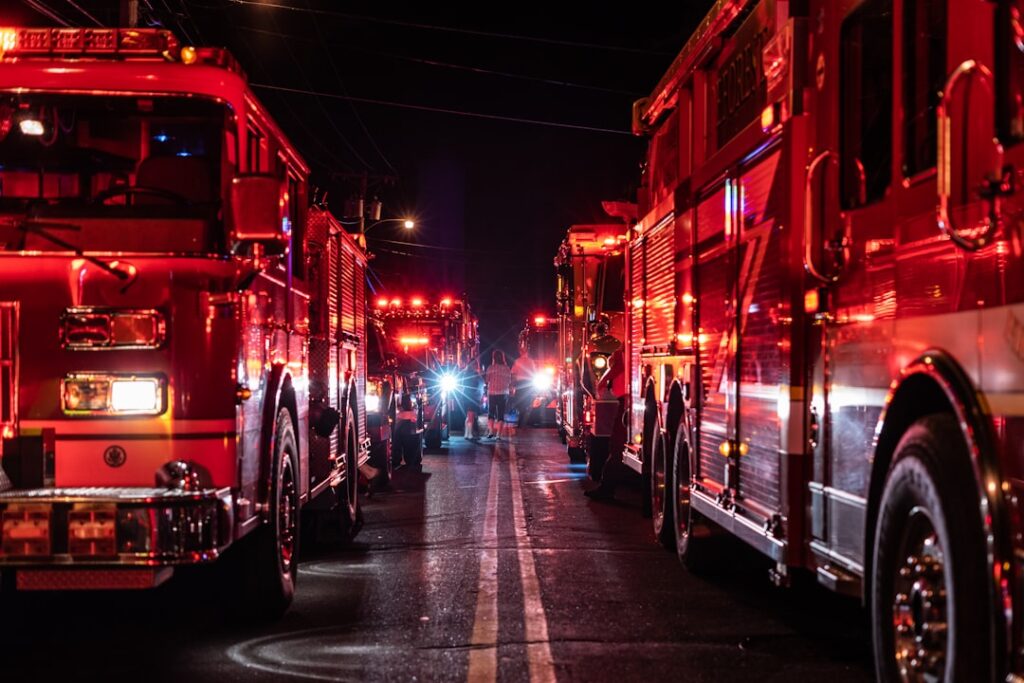
Mumbai Fire Aftermath: Hospitals Full, Investigations Underway
Thirty‑eight people are receiving treatment in hospitals across Mumbai tonight. Six families are making funeral arrangements for loved ones lost in the blaze that swept through a six‑storey residential building on October 6.
The full toll will only become clear in the days and weeks ahead, as the injured are spread across multiple wards and burn units remain stretched. Many of the survivors face lengthy recoveries. They may require skin grafts, contend with respiratory damage from smoke inhalation, and carry the psychological weight of escaping a structure that claimed neighbours.
The deceased will undergo autopsies; their names will appear in police reports. Once those formalities are complete, the real work begins for investigators.
Investigators will dismantle the building, both physically and figuratively, to examine its design. They will review the layout, the materials used, the point of origin, and why the fire moved so quickly through the residential block. Construction practices will be scrutinised, as will the presence—or absence—of safety features such as fire doors, sprinklers and adequate exits. A key line of inquiry will focus on the building’s floor area ratio, the relationship between total floor space and the land it occupies.
This ratio can influence corridor widths, stairwell placement and ventilation, all of which affect how a fire spreads. Residential zoning regulations exist to limit density and set safety standards for structures meant for living, but their effectiveness depends on enforcement.
The Mumbai blaze will test that enforcement. If the building was old and lacked modern fire protection, questions will arise. If the neighbourhood’s density hampered fire‑truck access, that too will become part of the record.
The structure is now a crime scene; forensic teams will sift through ash and collapsed beams, interview survivors and piece together a timeline of events. The findings will be delivered to a desk in city government.
They are likely to trigger new inspections of similar buildings, making landlords nervous and tenants worried. Residential areas are supposed to be safe—a basic bargain where people accept dense urban living because space is expensive, trusting that the walls around them will not turn into an inferno. That trust was shaken on October 6.
Mumbai’s housing stock varies, with old walk‑ups standing beside newer towers. Older structures often lack modern fire‑safety systems, while newer ones may have better equipment but can still fail.
The density of the neighbourhood matters: more people packed into less space allows fire to jump from unit to unit faster, complicates evacuation and increases the number of casualties when something goes wrong. What follows is predictable. Officials may promise action, committees could form and new rules might be written.
Yet the families of the six dead do not need promises; they need answers. The thirty‑eight injured need treatment.
And the rest of Mumbai’s residents need reassurance that their own buildings are safe. The investigation will determine that reassurance. It will examine the building’s design, its construction and its safety features, asking hard questions.
Answers will come slowly, they will not bring anyone back, but they might prevent the next fire from taking six more lives.
Mumbai Fire Aftermath: Hospitals Full, Investigations Underway
Words inside heading: Mumbai(1) Fire2 Aftermath:3 Hospitals4 Full,5 Investigations6 Underway7
Now paragraphs.




