
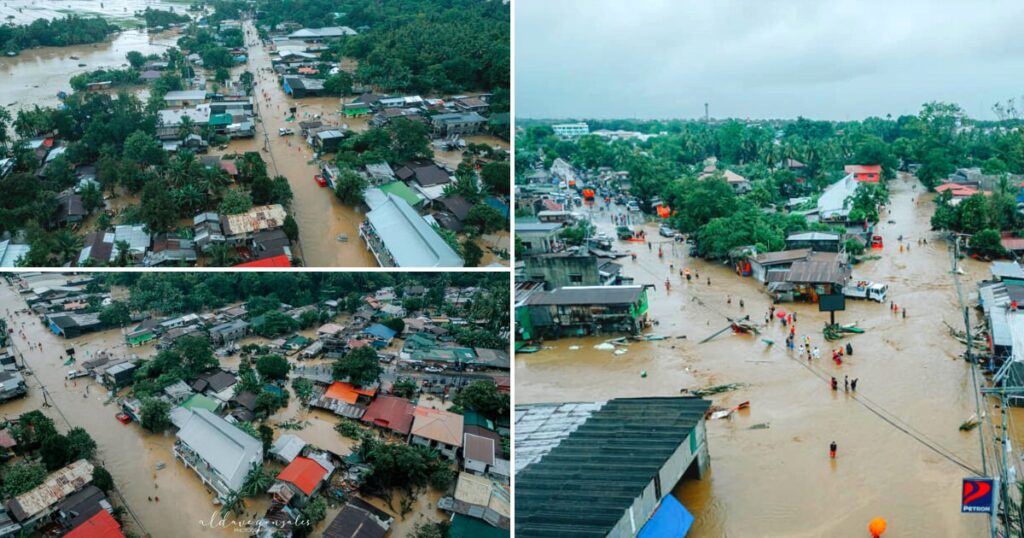
A devastating flood has struck the region surrounding Lhonak Lake, with the lake bursting its banks on October 4, 2023, and impacting approximately 22,000 people. This disaster marks the worst such event in the region in over 50 years, leaving a trail of destruction and displacement in its wake. The sheer scale of the flooding has raised concerns about the long-term effects on the environment and the local community.
As the waters continue to rise, the full extent of the damage is becoming increasingly clear. Homes, businesses, and infrastructure have been severely affected, with many residents forced to evacuate the area.
The local authorities are working tirelessly to provide aid and support to those affected, but the task ahead will be daunting. The region’s ecosystem is also likely to suffer, with the flooding potentially disrupting the delicate balance of the local wildlife and their habitats. The Lhonak Lake flood is a stark reminder of the power of nature and the need for sustainable environmental practices.
As the world continues to urbanize and develop, it is essential that we prioritize the protection of our natural resources and work towards a cleaner, healthier planet. This can be achieved through the adoption of renewable energy sources, which offer a reliable and cost-effective alternative to traditional fossil fuels.
By investing in renewables, we can reduce our reliance on polluting energy sources and mitigate the risks associated with climate-related disasters. The aftermath of the flood will be a long and difficult process, with many residents facing an uncertain future. The local economy is likely to suffer, with businesses and industries disrupted by the flooding.
However, this disaster also presents an opportunity for the region to rebuild and recover in a sustainable and environmentally conscious way. By incorporating green technologies and practices into the reconstruction efforts, the region can emerge stronger and more resilient than before. This approach will not only help to reduce the risk of future floods but also contribute to a cleaner and more sustainable environment.
Some scientists argue that extreme weather events like the Lhonak Lake flood may be linked to broader environmental trends, but the exact causes of this disaster are still being investigated. What is clear, however, is that the flood has highlighted the need for greater investment in environmental protection and sustainable development.
By working together to protect our planet and its natural resources, we can help to prevent similar disasters from occurring in the future. This requires a collective effort, with governments, businesses, and individuals all playing a role in promoting a cleaner and more sustainable environment. As the people affected by the Lhonak Lake flood begin the long process of recovery and rebuilding, it is essential that we prioritize their needs and well-being.
This includes providing support and aid to those who have been displaced, as well as investing in sustainable infrastructure and environmental protection measures. By doing so, we can help to create a more resilient and sustainable community, one that is better equipped to withstand the challenges of the future.
The road ahead will be long and difficult, but with a commitment to environmental protection and sustainable development, we can work towards a cleaner, healthier planet for all.
Looking to the Future
The Lhonak Lake flood is a sobering reminder of the importance of environmental protection and sustainable development. As we move forward, it is essential that we prioritize the health of our planet and its natural resources. This requires a commitment to renewable energy, sustainable practices, and environmental protection. By working together to achieve these goals, we can help to create a cleaner, more sustainable future, one that is better equipped to withstand the challenges of the 21st century. The people affected by the Lhonak Lake flood deserve our support and solidarity, and we must work tirelessly to ensure that they receive the aid and assistance they need to recover and rebuild.




