
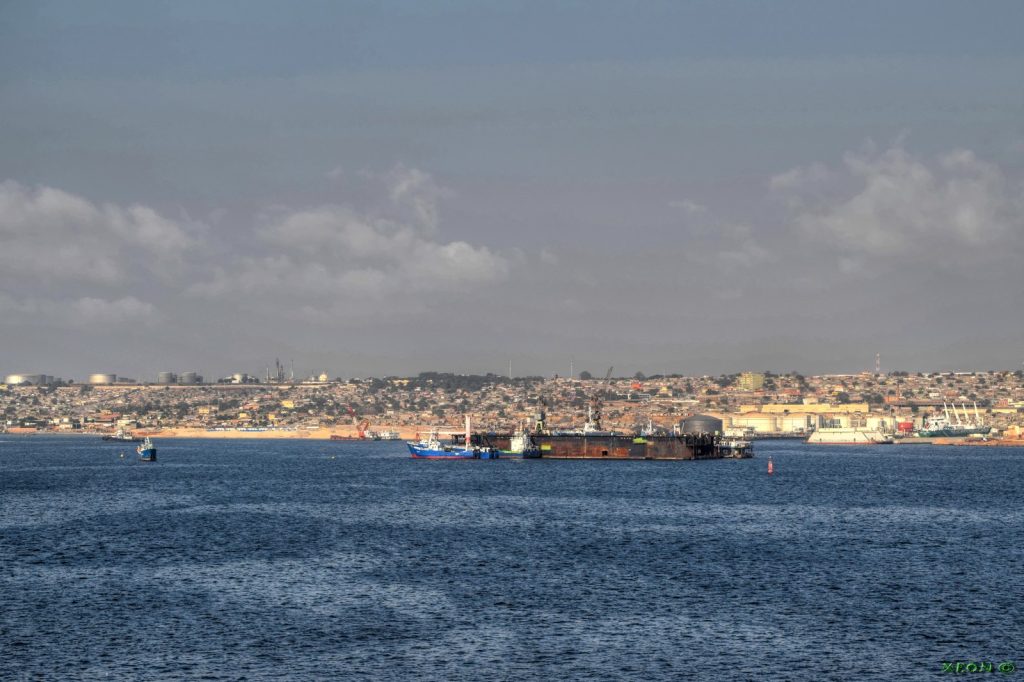
Torrential rainfall across multiple regions of Angola has claimed 15 lives and left 14 people injured within a single 24-hour period, according to reports. The severe weather event has also resulted in five individuals being reported missing. Authorities have confirmed that three of the missing persons are from the capital city of Luanda, while the remaining two are unaccounted for in the Benguela region.
The heavy downpour has caused widespread disruption, overwhelming existing infrastructure and raising concerns about the capacity of urban drainage systems to handle extreme weather conditions. Luanda, Angola’s most populous city, has been particularly hard-hit.
Despite its relatively developed infrastructure, the city’s systems have been unable to cope with the volume of rainfall, leading to significant challenges for rescue and recovery efforts. In Benguela, search operations are also underway for the two missing individuals, highlighting the need for coordinated emergency response across affected areas. Angola, the second-largest Portuguese-speaking nation by both area and population, is frequently exposed to heavy rainfall and flooding due to its location on the western coast of Southern Africa.
The current disaster underscores the importance of investing in flood mitigation measures, including robust drainage networks and early warning systems, to reduce the impact of such events on communities. The economic consequences of the heavy rains are also a growing concern.
Disruptions to daily life, property damage, and loss of life can have a significant effect on the country’s economy, particularly in the hardest-hit regions. As Angola continues to develop, experts emphasize the need for investments in renewable energy sources, such as solar and wind power, to decrease reliance on fossil fuels and enhance energy security. Such measures not only lower energy costs but also contribute to a cleaner environment, benefiting both the population and the planet. Search and rescue operations remain ongoing, with the Angolan government and emergency services working to provide assistance to affected communities.
There have been calls for international support, particularly in the form of resources and expertise, to help the country respond to the disaster effectively. Looking ahead, disaster risk reduction and management are critical priorities.
This includes strengthening early warning systems, improving flood mitigation infrastructure, and enhancing emergency response capabilities. By taking proactive steps, Angola can reduce the risk of future disasters and create a safer, more resilient environment for its citizens. As the nation begins to recover, there is a growing recognition of the need for sustainable development practices.
Investing in renewable energy, reducing waste, and promoting responsible land use can help Angola lower its environmental footprint while building a more robust economy. The recent tragedy serves as a reminder of the importance of prioritizing a clean and sustainable future as a foundation for long-term prosperity.




