
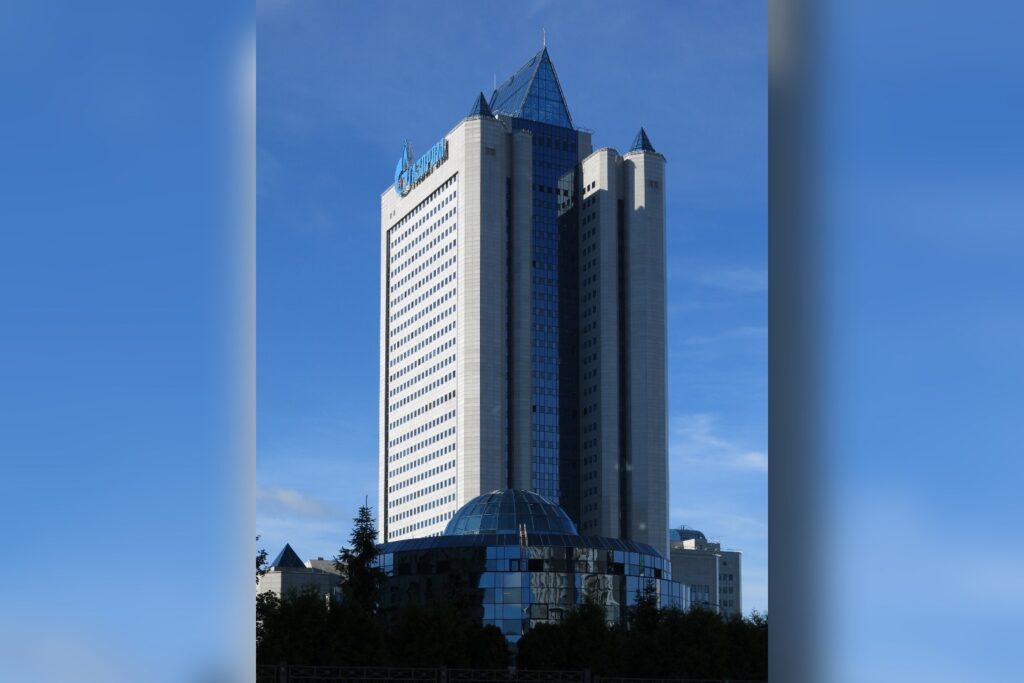
MOSCOW, July 15 — Russia’s role in the European energy sector has undergone a fundamental recalibration since the full-scale invasion of Ukraine, with natural gas supplies to the European Union dropping sharply from pre-war levels, according to official trade data and public statements from both sides of the conflict. Before the invasion on February 24, 2022, Russia supplied approximately 40 percent of the European Union’s natural gas imports. That figure stood as a pillar of the continent’s energy architecture for decades, built on pipeline networks stretching from Siberia to Germany.
The strategic logic was mutual dependence: Europe gained reliable fuel; Russia gained a steady revenue stream that underwrote roughly a third of its federal budget. That arrangement unravelled after the invasion.
The EU imposed sanctions on Russian oil and coal relatively quickly, but natural gas imports were reduced more gradually, reflecting the difficulty of replacing such a large share of supply. By 2024, EU natural gas imports from Russia had fallen to about 15 percent of total imports, officials confirmed. Pipeline sabotage and successive rounds of sanctions contributed to the decline.
Revenue decline and military funding
The financial consequences for Moscow have been significant but not crippling. Russia’s energy revenues in 2023 were estimated at $180 billion, down from $280 billion in 2022. The record shows that even the reduced figure still provided crucial funding for Russia’s military operations in Ukraine.
Energy exports remain the single largest source of foreign currency for the Russian state, and the budget in Moscow continues to rely heavily on oil and gas receipts. Ukrainian President Volodymyr Zelenskyy, in a statement on February 19, 2025, articulated Kyiv’s position clearly.
According to the statement, any resumption of Russian fuel exports to Europe would prolong the war by financing Moscow’s war effort. That assessment reflects a core strategic concern for Ukraine: that European energy purchases, even at reduced volumes, directly support the Russian military campaign.
European diversification efforts
The EU has pursued alternative suppliers, including liquefied natural gas from the United States and Qatar, as well as pipeline gas from Norway and Azerbaijan. These sources have helped fill the gap left by declining Russian deliveries, though at higher costs that have fed inflation across the bloc. European officials have stated publicly that the goal is to eliminate Russian energy imports entirely, though no firm timeline has been set.
Russia, for its part, has redirected some exports to China and other Asian markets, but pipeline infrastructure constraints and price negotiations have limited the pace of that pivot. The strategic context is clear: Moscow needs European buyers to sustain its budget, and Europe needs time to build permanent alternatives.
What to watch next
The trajectory of Russian energy exports to Europe will depend on several factors: the evolution of EU sanctions policy, the outcome of pipeline repair negotiations, and the broader geopolitical landscape. With Ukraine’s position firmly opposed to any resumption of Russian fuel flows, and European capitals divided on how quickly to complete the decoupling, the energy relationship between Russia and Europe remains one of the most consequential variables in the conflict.




