
Campbell County Confronts Twin Crashes After Plane Downing Ignites Fire
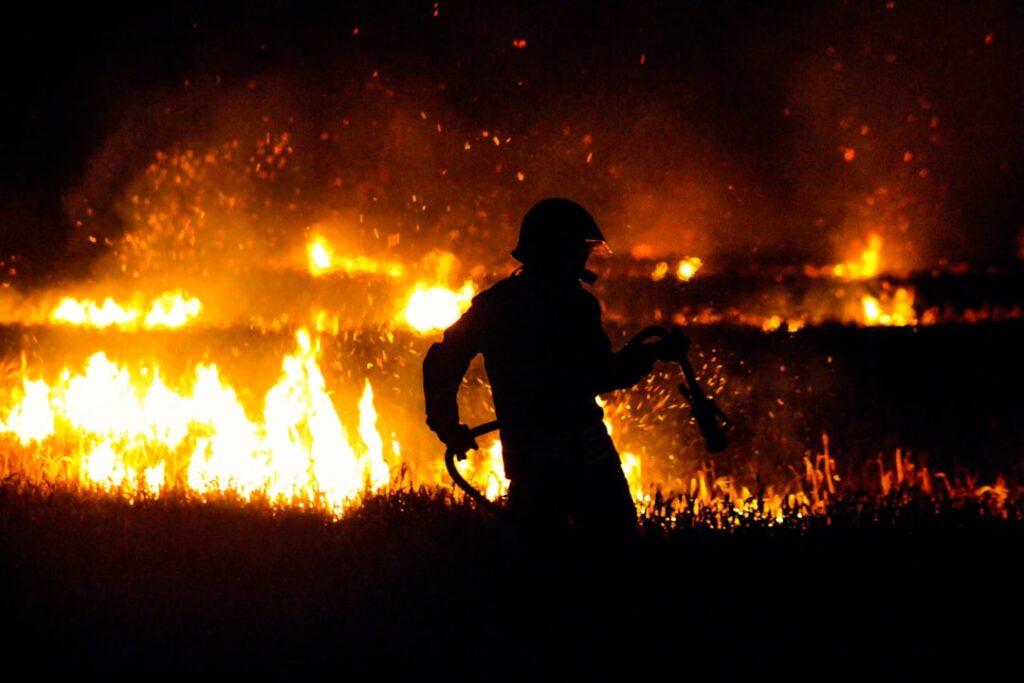
On July 26 a aircraft went down north of Gillette, killing everyone on board. The impact ignited a wildfire that continues to burn, creating a second emergency that overlaps with the loss of life. Officials say the crash claimed seven lives, and investigators have yet to determine what caused the plane to fall. Local fire crews are working to contain the blaze while the investigation proceeds.
The human toll includes three members of the gospel group The Nelons, whose deaths have reverberated through a community that knows its neighbors. Campbell County, home to 47,026 residents according to the 2020 census, now faces a situation where a mechanical or pilot error has become both a personal tragedy and an environmental challenge. The two cannot be separated; they are the same event unfolding in real time.
Located in Wyoming’s coal heartland, the county’s economy rests on fossil‑fuel extraction. Gillette, the seat, serves as a hub for mining operations and related infrastructure. The surrounding landscape, prized by hikers and outdoor enthusiasts for its sagebrush plains and open skies, sits alongside decades of industrial activity. This long‑standing tension between natural beauty and resource development is not new, but the fire sparked by the crash throws it into stark relief.
A recent analysis tied to the incident notes that the blaze underscores the need to shift toward renewable energy and lessen reliance on the very fuels pulled from the ground beneath the county. The connection is not a side comment; it follows directly from what the fire reveals about the region’s vulnerabilities. In a dry, windy setting like Campbell County, a wildfire can race through grass and brush, threaten homes, fill the air with smoke, and damage the ecosystems that make the area livable. Those effects are amplified by a climate that is growing hotter and drier—a trend linked, in part, to the extraction of hydrocarbons that have long powered the local economy.
Viewing the events as a simple arithmetic helps clarify the stakes. The crash itself is the first tragedy: seven lives lost. The fire that followed is a second crisis. Should the flames spread further, they will consume additional acreage, tax firefighting resources, raise costs, hurt tourism, and affect residents while the cause of the crash remains unknown. This pattern shows how disasters compound: an initial mechanical or pilot failure can spark a wildfire, which then becomes an environmental event that tests the preparedness of a community of roughly 47,000 people.
Gillette functions as the central urban point of the micropolitan statistical area that includes the county. It is neither a tiny town nor a major metropolis; it possesses resources, but they are finite. Calls for energy‑efficient technology and greener practices that appear in the related report are not abstract ideals. They represent concrete steps aimed at preventing a future incident from becoming more severe and at building a system that does not turn a bad situation into a catastrophe.
The plane crash itself may have been unavoidable, but the wildfire that followed was not predetermined in the same manner. How fast the fire moves, how far it extends, and how much damage it inflicts depend on conditions on the ground—conditions shaped by




