
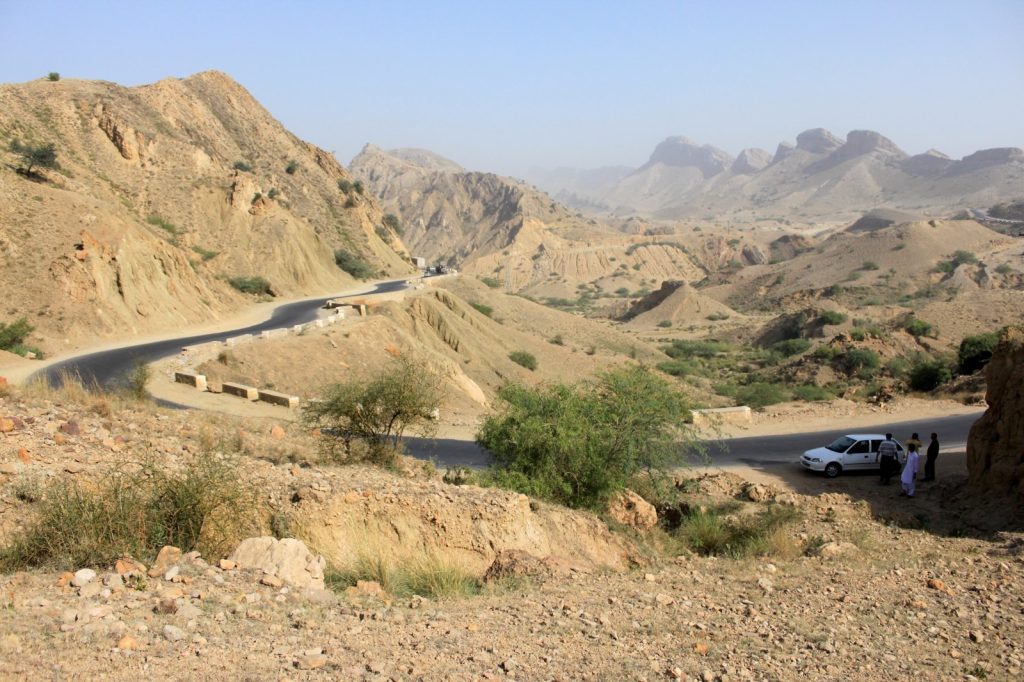
BARKHAN, Pakistan, June 27 — A magnitude 5.4 earthquake struck 63 km north-northeast of Barkhan, Pakistan early Saturday morning, according to the U.S. Geological Survey (USGS). The quake occurred at 03:06 UTC at a depth of 10 km, making it a shallow event. Shallow earthquakes, those less than 70 km deep, typically produce stronger shaking at the surface than deeper ones of the same magnitude, seismologists note.
The USGS detected the event through its real-time global seismic monitoring network. No tsunami warning was issued.
This region of Pakistan is seismically active. At least 34 earthquakes of magnitude 5.0 or greater have been recorded within about 300 km over the past two decades, according to USGS data. The strongest of those was a magnitude 6.4 event in 2008.
Earthquakes in the magnitude 5 range are classified as moderate. They can cause minor to moderate damage near the epicenter, though the specific impact in this case remains unconfirmed.
Officials have not yet reported any casualties or structural damage from the event. Aftershocks are common following an earthquake of this size, seismologists note. People in the affected area are generally advised to be prepared for further shaking, which may continue for days or weeks.
The USGS continues to monitor the region for any subsequent seismic activity. The depth of the quake, at 10 km, places it firmly in the shallow category. This is significant because shallow earthquakes transfer more energy to the surface, increasing the potential for damage compared to deeper events of the same magnitude.
The area has seen several moderate earthquakes over the years, a reminder of the tectonic forces at work beneath the Balochistan region. Local authorities have not issued any statements regarding the quake as of the time of reporting.
The USGS remains the primary source of seismic data for the event, providing real-time updates through its global network. Residents in the affected area are likely to feel aftershocks in the coming days, a common pattern following moderate seismic events. The quake struck in the early hours of the morning, a time when many people would have been asleep.
The full extent of any damage or injuries may take hours to emerge, particularly in more remote areas near the epicenter. The region has a history of seismic activity, and the latest event underscores the ongoing geological instability of the area.




