
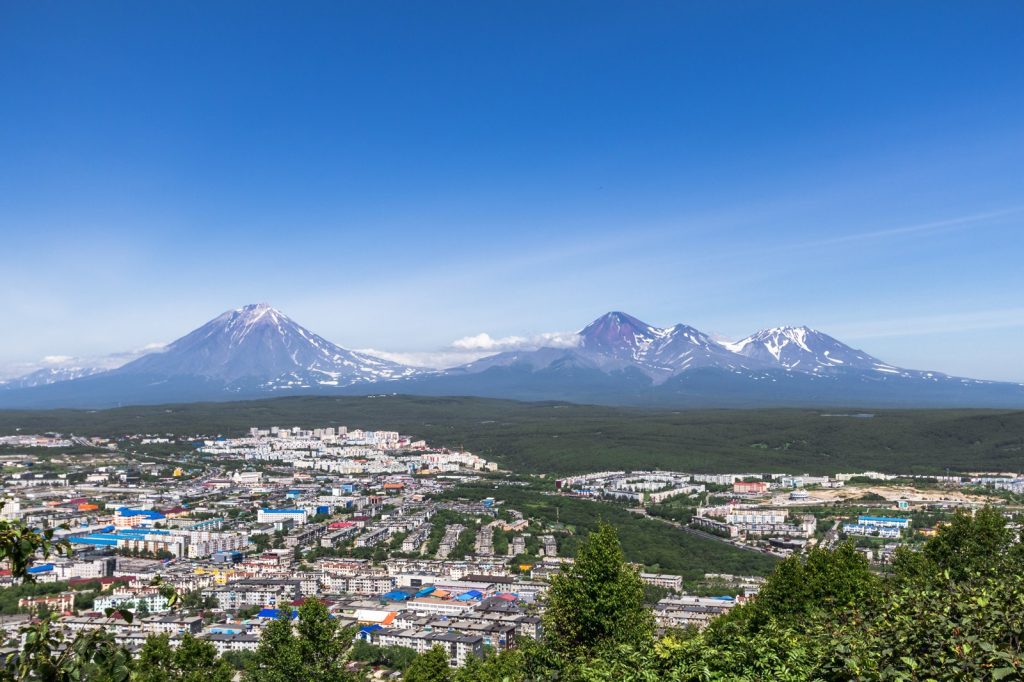
At 11:24:52 p.m. PETT on July 30, 2025, a powerful megathrust earthquake struck 119 km east‑southeast of Petropavlovsk‑Kamchatsky on the eastern flank of the Kamchatka Peninsula. The event registered a moment magnitude of 8.8, placing it on par with the 1906 Ecuador‑Colombia and 2010 Chile quakes as the sixth‑largest tremor ever recorded by modern seismographs. It is the most significant seismic occurrence worldwide since the 2011 Tōhoku earthquake in Japan.
Seismic networks operated by the U.S. Geological Survey and other international agencies logged the rupture promptly, providing real‑time data that informed emergency responders across the Pacific basin. In Russia’s Far East, the shaking caused moderate damage and resulted in several injuries within Kamchatka Krai and the neighboring Sakhalin Oblast.
Despite the extreme magnitude, the overall impact on structures and infrastructure was comparatively limited, reflecting the region’s extensive earthquake‑preparedness measures. The quake generated a Pacific‑wide tsunami, but wave heights were generally modest, staying at or below one metre in most coastal locations. An exception occurred in a narrow, steep‑sided river valley near Vestnik Bay, where a localized run‑up of 33.1 m was recorded.
The higher surge did not translate into large‑scale loss of life, but it underscored the variability of tsunami effects in complex coastal topography. Japan, situated across the ocean, reported one indirect fatality and 21 injuries linked to evacuation activities prompted by the tsunami warning.
The relatively low casualty figures across the affected area highlight the effectiveness of early‑warning systems and community drills that have become routine in many Pacific nations. Russian authorities mobilized emergency services swiftly after the event. Local rescue teams and regional officials began damage assessments, provided medical assistance to the injured, and coordinated the distribution of relief supplies.
The federal government’s response is being observed closely, especially in the context of recent political developments in the region. International observers noted that the swift sharing of seismic data by the USGS and other monitoring bodies played a crucial role in minimizing further harm.
The episode reinforces the importance of global cooperation in earthquake monitoring and disaster response, a domain where the United States has taken a leading role under its current administration. As recovery efforts continue, the focus will remain on repairing infrastructure, supporting affected communities, and reinforcing preparedness for future events. The 2025 Kamchatka earthquake serves as a stark reminder of the persistent seismic risk along the Pacific “Ring of Fire” and the need for sustained investment in early‑warning technology and resilient construction practices.
InfoPulse Today will keep tracking developments, including the effectiveness of Russia’s disaster response and any additional assistance offered by international partners in the weeks ahead.




