
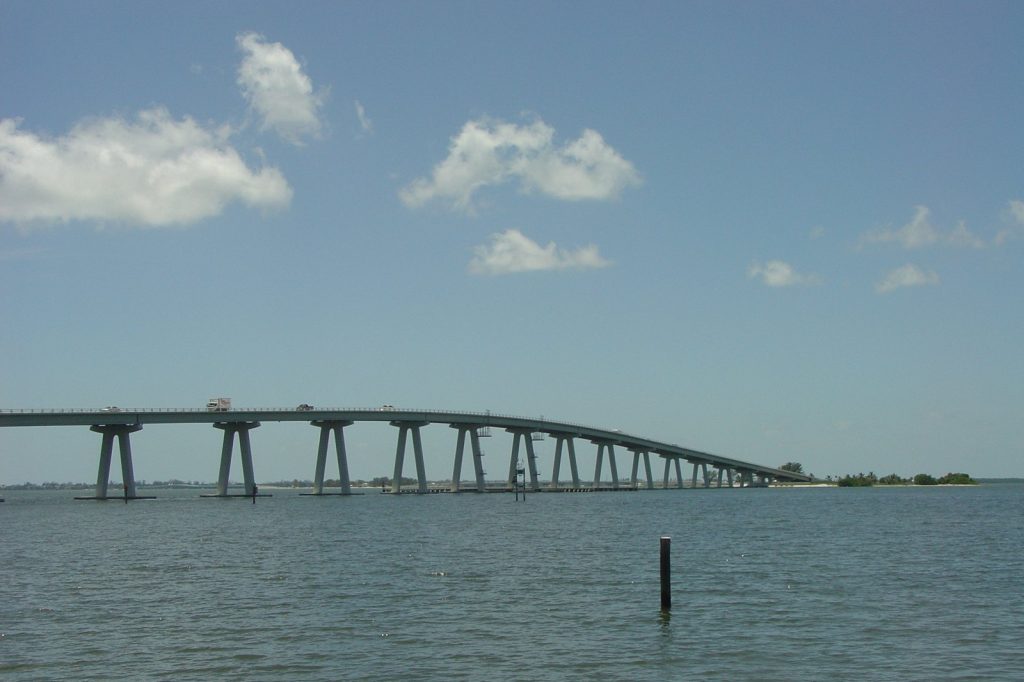
More than two years after Hurricane Ian snapped the Sanibel Causeway like a twig, the island’s recovery has crossed a threshold that matters in the real world: 70% of its businesses, hotels and restaurants are back open. That number is not a PR boast. It is the difference between a place that is still a construction site and a place that is again a destination.
The causeway collapse was the headline. But the deeper damage was to the island’s ecosystem of small, independent places — the restaurants that knew your name, the shell shops, the low-slung motels.
Those are the businesses that define Sanibel. They are also the hardest to rebuild. Chains have capital.
A family-run seafood joint does not. So the 70% figure is, in a way, a quiet verdict on what survived.
Not just buildings. A way of doing things. What makes Sanibel different from, say, Fort Myers Beach or Clearwater is what it has always lacked.
No high-rise resorts. No boardwalk chains. No bars that blast music onto the sand.
That absence is not an accident. It is the result of decades of local resistance to the kind of development that has turned so much of Florida’s coast into a strip mall with an ocean view.
The island’s recovery is, in part, a test of whether that character can survive a catastrophe. Early signs are good. The slow pulse is back.
Tandem bike rentals. Quiet dinners.
The shelling — that obsessive, meditative combing of the beach for junonia and lightning whelk — has resumed. The wildlife is returning. Dolphins work the shoreline.
Birds and sea turtles are present. The habitats that give the island its identity were threatened by the storm, but they were not erased. The comparison that matters here is not to pre-Ian Sanibel.
It is to other Florida communities that were hit by hurricanes and never quite recovered their soul. Some rebuilt taller.
Some rebuilt louder. Some rebuilt with corporate money and lost the feel that made them worth visiting in the first place. Sanibel appears to be taking a different path.
The construction crews are still everywhere. The rebuilt roadways are obvious.
The restoration hums along. But the atmosphere that has survived is not the same as the one that was rebuilt. It is the one that could not be washed away.
That matters for the island’s future. The next few years will tell whether the remaining 30% of businesses come back, and whether the ones that have reopened can hold on. Tourism is a brutal industry.
Margins are thin. A storm like Ian does not just destroy property.
It wipes out a season, sometimes two. It scatters a workforce. It tests the will of owners who were already tired.
The families who made Sanibel an annual tradition are starting to return. That is the real metric.
The causeway was rebuilt. The hotels are taking reservations. But the decisive fact is whether people who loved the island before the storm come back and find what they remember.
The early returns suggest they will. For a place that defines itself by what it does not have — no high-rises, no chain stores, no noise — survival is a quiet thing. It is not measured in ribbon cuttings.
It is measured in the number of people willing to ride a tandem bike down a road that was, not long ago, under saltwater. That number, right now, is climbing.




