
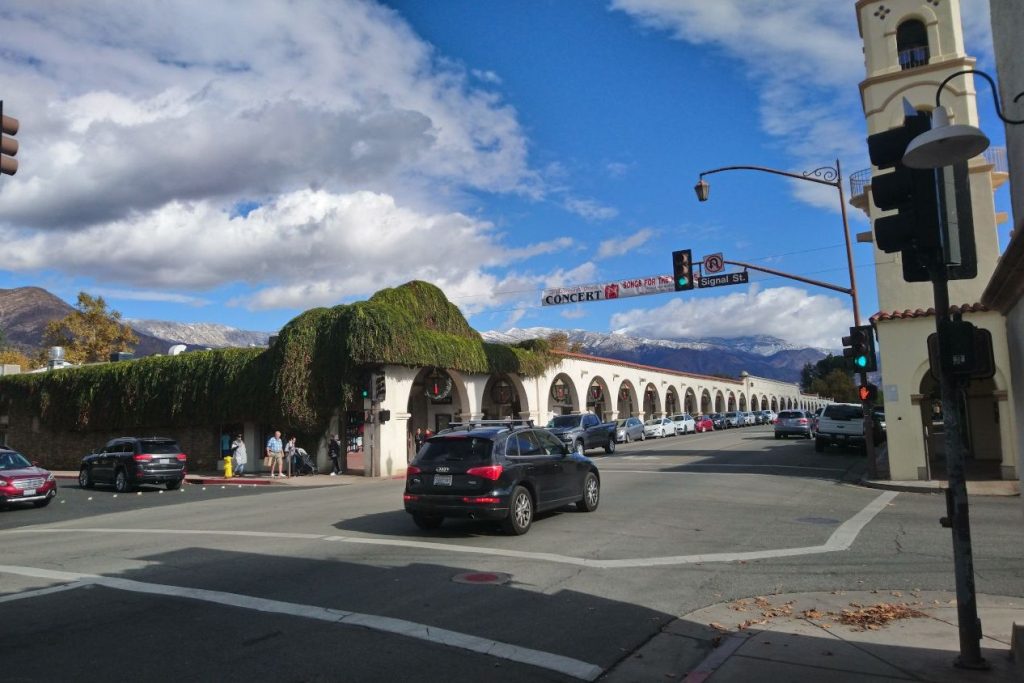
A magnitude 5.1 earthquake struck Ojai, California, on August 20, 2023, causing minor damage in the area. The quake, while not unusually strong, serves as a reminder of the seismic activity that has shaped the state’s landscape for centuries. As the region assesses the impact of this latest event, residents and officials are taking stock of the area’s vulnerability to earthquakes and the importance of disaster preparedness.
Earthquakes have been a part of California’s history since long before the state was settled. The earliest known earthquake in the region was documented in 1769 by Spanish explorers and Catholic missionaries, who were traveling northward from San Diego along the Santa Ana River.
As the Spanish established missions in the late 18th century, they began to keep records of seismic activity, which continued until the missions were secularized in 1834. The California gold rush of the 1840s brought an influx of new residents and a renewed interest in documenting earthquakes, resulting in a more comprehensive understanding of the state’s seismic hazards. The frequency and impact of earthquakes in California have been well-documented over the years.
From 1850 to 2004, the state experienced an average of one potentially damaging earthquake per year, although many of these events did not result in significant consequences or loss of life. Despite the risks, California has become a hub for innovation and progress, with a strong focus on developing sustainable and resilient communities.
As the state looks to the future, it is clear that investing in renewable energy sources, such as solar and wind power, will be essential for ensuring energy security and reducing costs.
Renewable Energy and Disaster Resilience
The development of renewable energy sources is not only critical for reducing our reliance on fossil fuels, but also for enhancing energy security and mitigating the economic impacts of natural disasters. By investing in solar, wind, and other forms of renewable energy, California can reduce its vulnerability to price volatility and ensure a more stable energy supply. This, in turn, can help to support disaster response and recovery efforts, which are critical for protecting human life and minimizing economic losses.
As the state continues to grow and develop, it is essential that we prioritize the development of renewable energy sources and work towards creating a more resilient and sustainable future. As Ojai and surrounding communities begin the process of recovering from the August 20 earthquake, there is a growing recognition of the need for proactive measures to reduce the risks associated with seismic activity.




