
BRUSSELS, July 25, 2026 — The European Union’s financial safety net for natural disasters has quietly become one of its most active solidarity mechanisms. Since the European Union Solidarity Fund was created in 2002, 23 member states have drawn aid, with Italy and Germany leading the list of beneficiaries. The shift is subtle but clear: as large-scale events become more frequent, the fund is increasingly the first port of call for post-disaster recovery.
The fund was designed to provide grants to EU countries hit by catastrophes that overwhelm national budgets. A disaster qualifies as “large-scale” when the estimated direct damage exceeds €3 billion at 2002 prices, or 0.6% of the affected state’s gross national income.
Over the past two decades, it has supported 56 disasters — earthquakes, forest fires, drought, storms, and floods. The European Commission, which administers the fund, keeps a running tally.
How the fund works
Eligible events must have serious repercussions for living conditions, the environment, or the economy. For regions — especially remote, outermost, or island areas — an exceptional case exists: aid can be granted if damage affects a majority of the population with serious and lasting repercussions. In those instances, annual aid is capped at 7.5% of the fund’s annual allocation — a figure set at €75 million.
Assistance comes as a grant, not a loan. It supplements public spending for non-insurable damage.
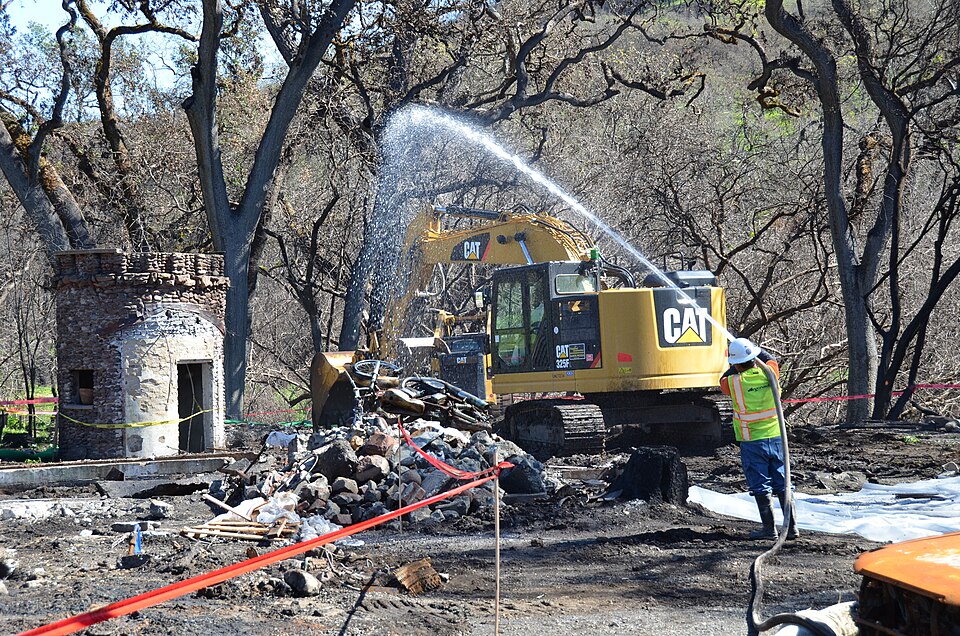
The list of eligible urgent measures is narrow but critical: immediate restoration of infrastructure — energy, water, wastewater, telecoms, transport, health, education — as well as provision of temporary accommodation and rescue services. Also covered are the immediate consolidation of preventive infrastructure, protection of cultural heritage, and the cleaning of disaster-stricken areas, including natural zones.
The application process
Speed matters. The affected state must submit an application to the European Commission within 12 weeks of the disaster’s first effects. The application must estimate the cost of required measures and indicate any other funding sources already in play.
Once submitted, the grant allocation procedure — followed by a budgetary process — can take several months. After appropriations are made, the Commission concludes an agreement and disburses the grant.
The beneficiary state is then responsible for using and auditing the money. Emergency measures can be financed retrospectively from the very first day of the disaster. But there is a firm rule: no double-financing with other EU funds — Structural Funds, the Cohesion Fund, the EAGGF (agricultural guidance and guarantee), or the pre-accession instruments ISPA and SAPARD.
Spending the grant
The grant must be spent within 18 months from allocation. Any unused portion must be repaid. Six months after that one-year period — roughly two years from allocation — the member state must submit an implementation report.
That report must detail eligible expenditure and all other funding received, including insurance settlements and compensation. What’s changing is the scale of demand.
The fund has already paid out for 56 disasters across two decades. Watch this space: as extreme weather events and seismic activity continue to test national budgets, the European Union Solidarity Fund may well become a more prominent — and more debated — tool of European solidarity.




