
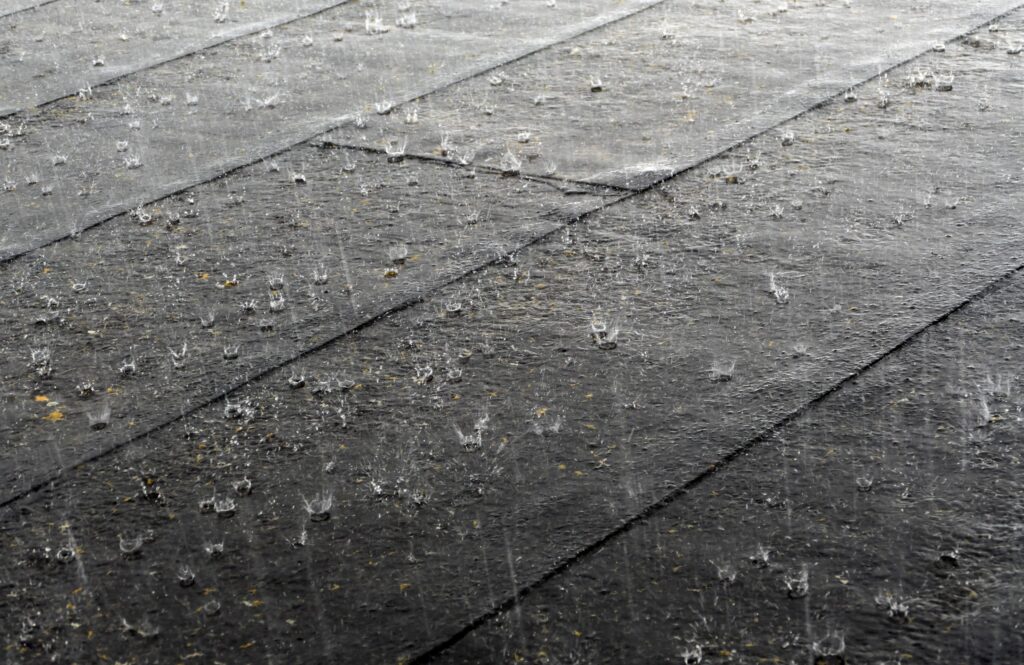
On August 29, 2025, a powerful weather system moved across Greater Poland, delivering heavy rain, thunderstorms and strong winds. The intense precipitation caused flooding in Poznań, which led to the evacuation of the Bałtyk office building as local infrastructure struggled to cope with the water influx. A tornado also formed in the vicinity of Gniezno, but no injuries were reported from either the flood or the twister.
Geographic Context and Historical Patterns
Greater Poland, also known as Wielkopolska, lies in west‑central Poland and is accustomed to variable weather because of its position. The region’s principal city is Poznań, while Kalisz, recognized as the oldest city in Poland, is another notable centre.
Both cities have faced severe weather episodes in the past, underscoring the area’s exposure to extreme conditions.
Immediate Aftermath and Lessons Learned
The evacuation of the Bałtyk office tower serves as a concrete reminder of the need for resilient infrastructure and effective emergency preparedness. With the frequency and intensity of such events appearing to increase, municipalities like Poznań must adopt measures that lessen the impact on residents and the surrounding environment.
Toward a More Resilient Future
Adaptation can involve sustainable urban planning, the incorporation of green infrastructure and a shift toward renewable energy sources. Moving to cleaner options such as wind and solar power helps decrease dependence on fossil fuels, enhances energy security and can yield cost savings for the community.
Cultural and Historical Dimensions
The historical reach of Greater Poland has shifted over time, having been divided into various voivodeships, notably those centred on Poznań and Kalisz, and once covering territories such as Sieradz, Łęczyca and Inowrocław. The Santok Land to the northwest also belongs to the broader region. As the area continues to develop, balancing economic growth with environmental stewardship and the protection of cultural heritage remains essential.
Community Outlook and Recovery Priorities
Residents are now assessing the damage caused by the storm while looking ahead to reconstruction. The recovery process offers a chance to rebuild in a way that favours planetary health—by investing in renewable energy, cutting waste and encouraging sustainable practices.
Such actions not only strengthen local ecosystems but also contribute to a cleaner, healthier world for future generations.
Linking Environmental and Societal Well‑being
The connection between a thriving environment and community welfare is clear. Looking forward, Poznań and the wider Greater Poland region can improve preparedness through joint efforts of local authorities, businesses and residents to craft and implement effective emergency response plans. Collaborative action builds a more sustainable and resilient future that safeguards both nature and people.




