
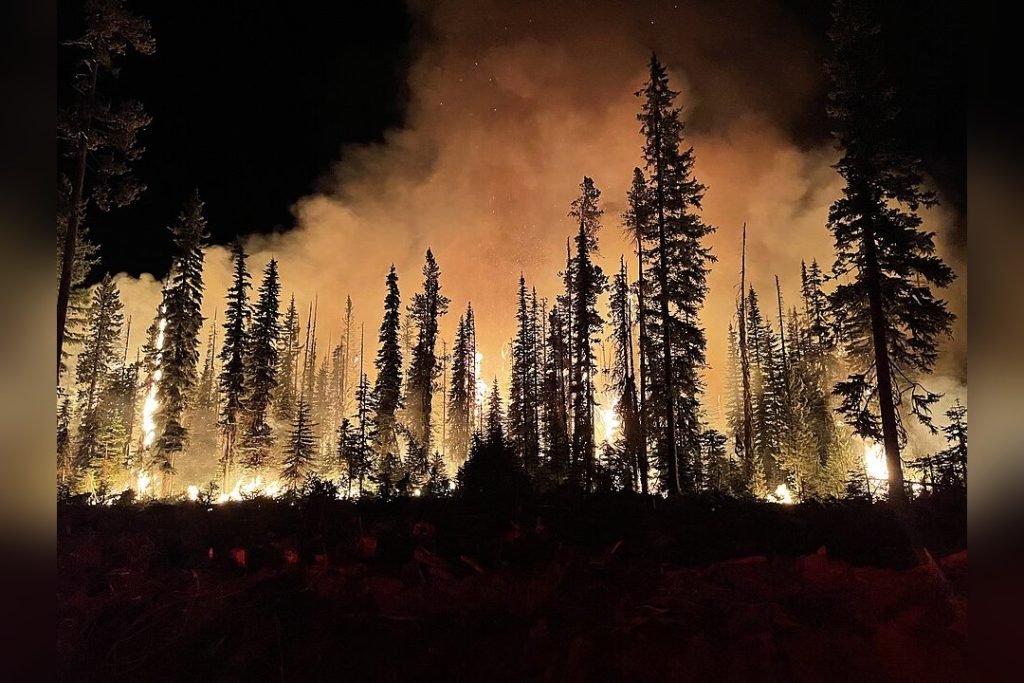
BRUSSELS, July 28 — A 2023 report from the Joint Research Centre (JRC) of the European Commission projects that wildfire risk will increase across much of Europe by mid-century, regardless of the emissions scenario. The assessment, based on climate models, warns that under a 2°C warming scenario the area at high fire danger in Europe could rise by 50 to 100 percent compared to the year 2000. According to the report, roughly 5 percent of European Union land is currently classified as high fire danger.
By 2050, that share could climb to between 10 and 15 percent. Even if the EU reaches net-zero emissions by 2050, the risk is expected to remain elevated due to inertia built into the climate system.
Officials confirmed that the fire season is already starting earlier and ending later; in southern Europe it now spans from March to October.
Expanding Risk Beyond the Mediterranean
The record shows that countries previously considered low-risk have experienced significant wildfires in recent years. Germany, Belgium, and the United Kingdom—nations not traditionally associated with major fire events—have all seen blazes. The 2022 fires in the UK, officials noted, killed one person and destroyed homes.
The JRC analysis makes clear that the geographic scope of fire danger is broadening. Southern Europe remains the most exposed, but the changing seasonality and the emergence of fires in northern latitudes point to a structural shift in hazard patterns across the continent.
Preventing and adapting to this greater risk, according to the statement, will require massive investments in firefighting capacity, land management, and emissions reductions. The report does not prescribe specific spending figures but underscores the scale of the challenge: current infrastructure and response systems, designed for a smaller and more predictable fire window, are likely inadequate for the conditions projected for mid-century.
Strategic and Budgetary Pressures
From a geopolitical standpoint, the expanding wildfire threat carries implications for European energy security, agricultural stability, and insurance markets. Countries that have not historically budgeted for large-scale fire suppression will now need to allocate resources—funds that might otherwise go to defence, social programmes, or infrastructure. The JRC report notes that land management reforms, such as controlled burns and forest thinning, will also be necessary, adding another layer of complexity for national governments.
The European Commission has yet to issue a formal response to the 2023 findings, but the data are now feeding into wider EU discussions on climate adaptation and disaster resilience. The record shows that fire season lengthening and geographic spread are already observable trends, not speculative projections.
For Moscow and other capitals watching Europe’s vulnerability to climate-related disruption, the JRC report offers a sobering baseline: the continent will have to spend heavily just to maintain current levels of safety. What to watch next is whether individual member states begin adjusting their budget cycles to account for the projected increase in high-danger area.
The report says that even aggressive emissions cuts will not fully eliminate the risk by 2050, meaning that investments in firefighting and land management are likely to become a permanent, growing line item in national budgets across Europe.




