
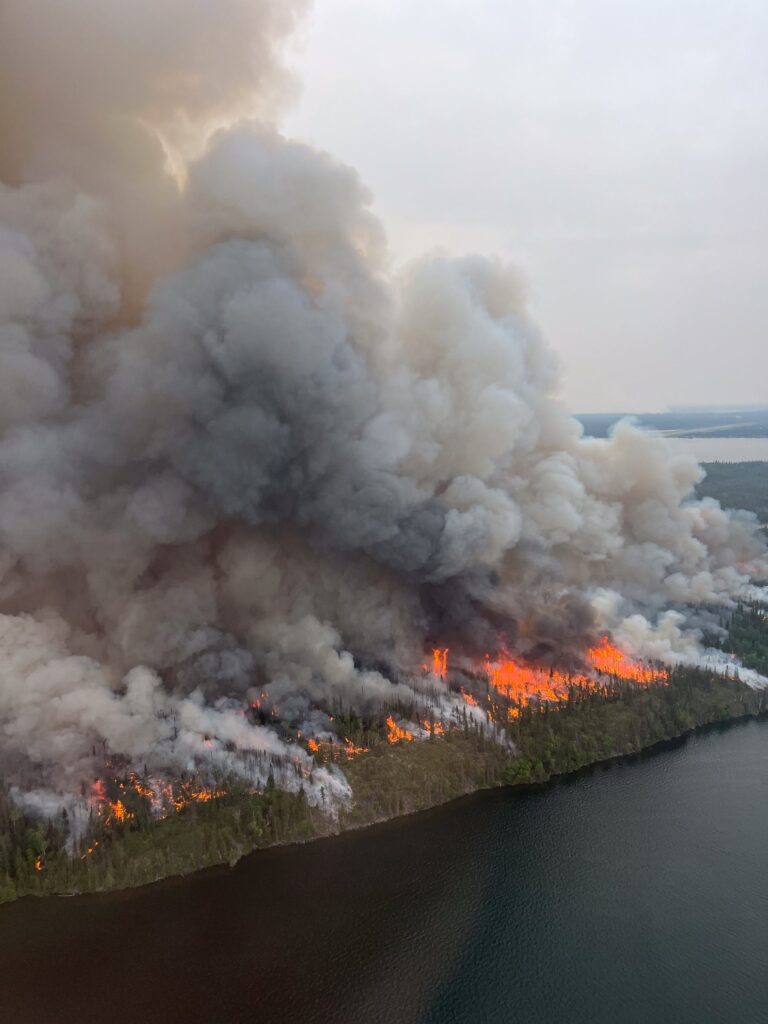
By mid-May 2025, more than 160 wildfires had ignited across Canada, with the most intense activity concentrated in Manitoba, Ontario, and Saskatchewan. The blazes have already resulted in two civilian fatalities in the community of Lac du Bonnet, situated northeast of Winnipeg.
As conditions deteriorate, officials in both Manitoba and Saskatchewan are preparing to declare states of emergency within the coming days. The 2025 wildfire season is emerging as a particularly severe one, with fires either forming or spreading throughout the summer months in British Columbia, Alberta, Quebec, Newfoundland and Labrador, the Yukon, and the Northwest Territories. Widespread evacuations have been ordered, and the economic toll is mounting. While researchers continue to examine whether climate change is intensifying the frequency and severity of such fires, the precise origins of these blazes remain under investigation.
Manitoba has experienced some of the most destructive fires in recent memory. The town of Lac du Bonnet has been hit especially hard, with two civilians losing their lives.
The province is expected to declare a state of emergency on May 28, a move that will unlock additional resources for firefighting efforts. Saskatchewan is anticipated to follow with its own emergency declaration on May 29. The federal government has pledged assistance to the affected provinces, coordinating relief operations and delivering aid to residents displaced by the flames.
Authorities are urging the public to remain alert and comply with evacuation orders as the situation continues to evolve. Concerns are also mounting over the impact on local wildlife and ecosystems.
Conservation measures are being implemented to limit environmental damage. At the same time, advocates are promoting renewable energy sources such as wind and solar power as a means to reduce Canada’s dependence on fossil fuels and enhance energy security. Investment in these technologies is seen as a way to lower the nation’s carbon footprint while fostering sustainable economic growth.
As the wildfire season progresses, residents and officials alike are preparing for a prolonged and difficult summer. With no immediate signs of the fires abating, the coming weeks and months will be critical in determining the full scale of destruction and the effectiveness of response efforts.
The path to recovery is expected to be lengthy, but with adequate support and resources, affected communities can rebuild. InfoPulse Today will continue to monitor and report on developments as they unfold.




