
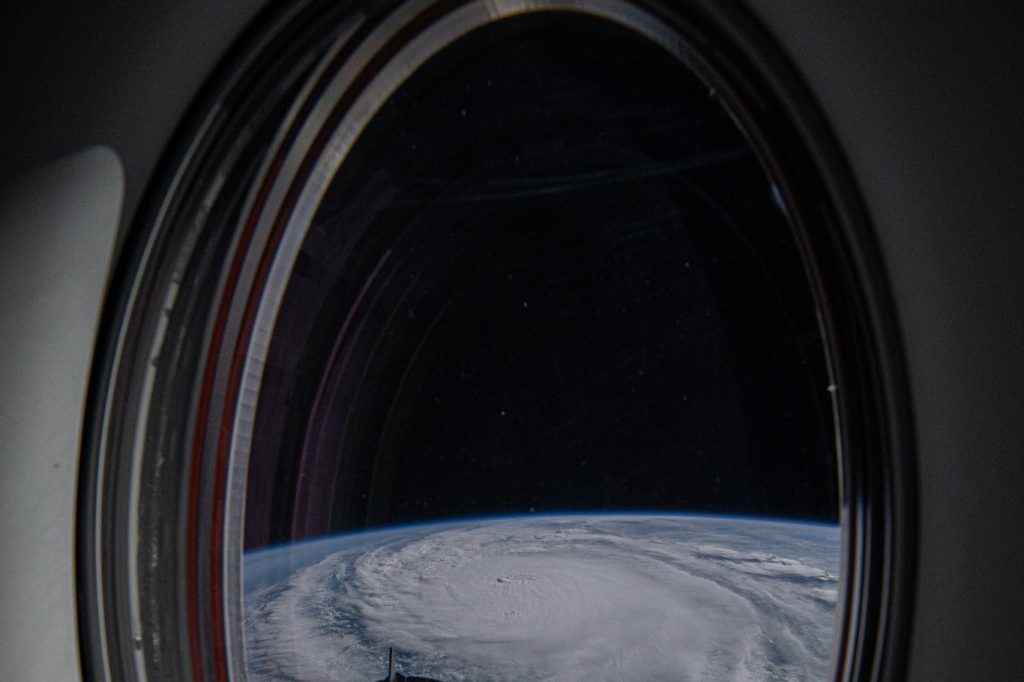
Hurricane Milton, a Category 3 storm, made landfall today at Siesta Key on Florida’s western coast. The storm now carries sustained winds ranging from 111 to 129 mph, placing it in the middle of the Saffir-Simpson hurricane intensity scale. At these speeds, the winds can tear roofs from homes, snap power poles, and turn debris into dangerous projectiles.
As Milton pushes inland, the immediate coastal threat of storm surge is giving way to a slower, broader danger. Heavy rainfall is expected to saturate the ground, causing rivers and canals to rise.
Areas far from the beach that may have considered themselves safe now face the risk of flooding. The Saffir-Simpson scale, which measures wind speed, does not account for water damage. A Category 3 storm can still cause drowning. The scale describes what the storm is, but not what it does.
The actual impact of Milton will depend on its forward speed and rainfall totals—details not captured by the category number. Emergency services are active in the region.
Evacuations occurred before landfall, and many residents left. However, some chose to stay, a reality that emergency orders cannot change. Those who remain are now enduring the storm.
Infrastructure is at risk, including power lines, roads, bridges, homes, and businesses. The economic cost will be calculated later, but damage is occurring now.
A storm of this intensity does not discriminate between a beachfront hotel and an inland grocery store—it affects everything in its path. Hurricanes are costly events. They destroy property, disrupt supply chains, and shut down businesses for days or weeks.
Recovery is slow and expensive. Renewable energy sources, such as solar and wind power, can help mitigate these effects.
A home equipped with solar panels and a battery can maintain power when the grid fails. A community with distributed energy sources is more resilient to widespread outages. Energy security becomes critical when power lines are down and gas stations are closed.
Milton is a Category 3 storm, which is serious. However, it could have been stronger.
The Saffir-Simpson scale extends to 157 mph and beyond for Category 5 storms. Milton did not reach that level, a fact attributable to luck rather than planning. Florida’s western coast has experienced hurricanes before and will face them again.
Each storm tests infrastructure, evacuation plans, and building codes. Each storm reveals weaknesses.
The question remains whether those weaknesses will be addressed before the next storm arrives. Milton continues to blow, rain continues to fall, and winds continue to howl. For those in its path, survival is the immediate concern. Rebuilding is the long-term challenge.
Both require resources and time, both of which are uncertain at this moment. The Saffir-Simpson scale gave Milton a category number.
But the scale does not capture the fear in a dark room with wind screaming outside. It does not measure the weight of water pressing against a door. It provides a number—111 to 129 mph.
The reality is something else entirely.
Sources
- Hurricane Milton threatens destruction in Florida
- Hurricane Milton: At least 14 deaths confirmed after monster storm…




