
A catastrophic landslide has wreaked havoc in the Enga Province of Papua New Guinea, claiming the lives of four individuals, with several more believed to be deceased. The event has sent ripples of concern throughout the region, underscoring the susceptibility of communities to natural catastrophes.
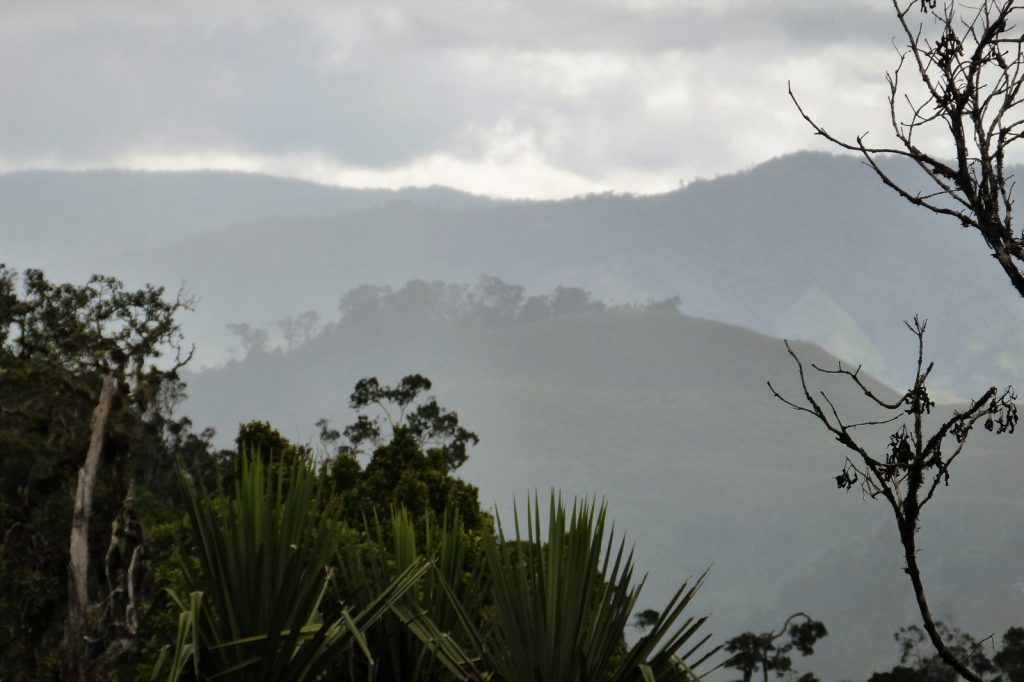
Enga Province, nestled in the northern reaches of Papua New Guinea, is an area known for its geological instability, necessitating readiness from local authorities to manage such incidents. Home to approximately half a million residents, the majority of whom are Engan ethnic group members, the province is marked by its rugged topography, characterized by dense forests and towering mountains, posing challenges for navigation. The region’s distinctive geography has fostered a unique culture, with the Engan people speaking a language unique to the province, which remains consistent across its five districts.
Despite its aesthetic appeal, the region’s remote location and limited accessibility complicate emergency response efforts, such as the recent landslide. Established in 1975, Enga Province was separated from the adjacent Western Highlands at the time of national independence, resulting in a small portion of Engan territory lying on the eastern side of the region, still part of the Western Highlands.
This anomaly creates a unique situation, as some Engan communities are more accessible from Mount Hagen, the capital of the Western Highlands, than from other regions within Enga Province. Comprehending the complex geography and history of the region is crucial for devising effective disaster response strategies. In response to the landslide, authorities are mobilizing to address the disaster and aid affected populations.
The Papua New Guinea government has outlined plans to dispatch emergency services to the area, including search and rescue teams, medical personnel, and relief supplies. International organizations and NGOs are also anticipated to offer assistance, with many already committing aid.
The relief efforts will be pivotal in saving lives, providing temporary shelter, and restoring essential services to impacted communities. The recent landslide in Enga Province serves as a grim reminder of the necessity of prioritizing ecological sustainability and disaster preparedness. As the world urbanizes and populations swell, the demand for clean and renewable energy sources becomes increasingly urgent.
Investments in renewable energy can help lessen our reliance on fossil fuels, enhancing energy security and reducing costs. By transitioning to cleaner energy sources, we can also minimize the environmental consequences associated with traditional energy production, cultivating a healthier and more sustainable planet for future generations.
Looking ahead, the journey to recovery for Enga Province will be arduous and demanding. The international community must rally to support the people of Papua New Guinea, offering aid, expertise, and resources to help rebuild and rejuvenate. As we ponder the devastating impact of the landslide, we are reminded of the importance of preserving our planet’s natural beauty and promoting sustainable development.
By collaborating, we can create a cleaner, more resilient world, where communities such as those in Enga Province can flourish, free from the threats of environmental disasters and degradation. The future of our planet hinges on our capacity to act promptly, and to prioritize the health and welfare of our environment, for its own sake.
Related Stories
Zoji La Landslide Claims Seven Lives on Srinagar-Leh Highway Ecuador Bus Accident Results in Twelve Deaths in Tungurahua Province Landslide in Georgia Kills Eight, Two More Dead in Adjara #LandslideKills #PapuaGuinea #EngaProvince #WorldNews #News




