
Taal Volcano’s Vog Triggers Widespread School Shutdowns
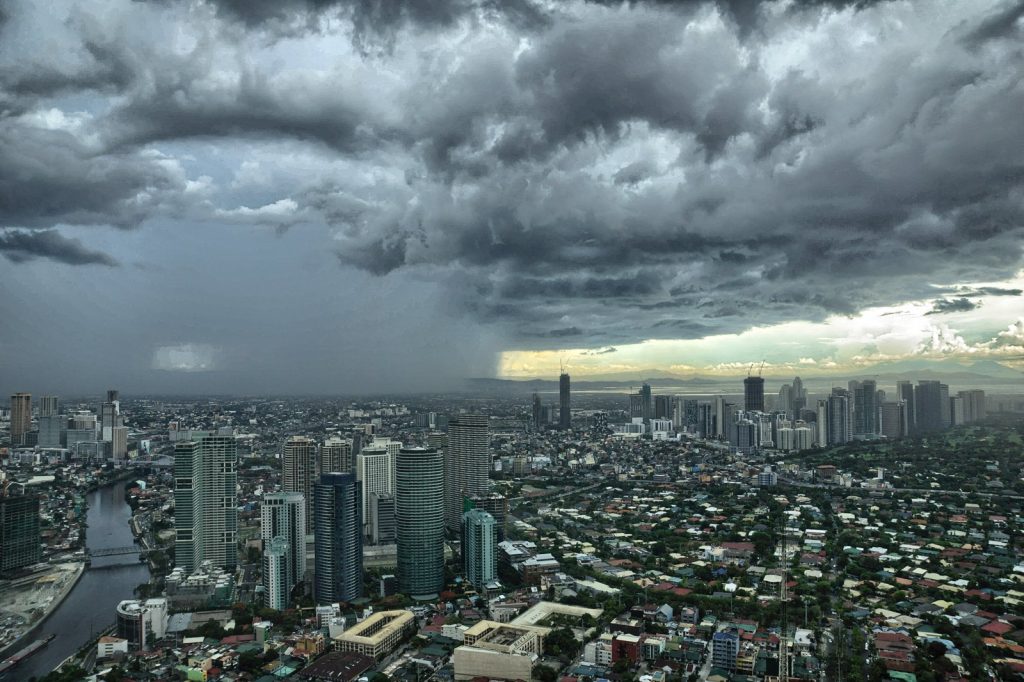
On Tuesday morning the surface of Taal Lake lay calm, but beneath the water the volcano was already pushing tens of thousands of students back inside their homes. Authorities announced that schools across Metro Manila and several neighboring provinces would close their gates on September 22 after Taal released hazardous amounts of sulfur dioxide and the resulting volcanic smog, known as vog. The Philippine government issued a clear directive: remain indoors and avoid any outdoor activity because the air was no longer safe to breathe.
Taal sits about fifty kilometres south of the capital and is recorded as the nation’s second most active volcano, with a history of thirty‑nine eruptions. Each past outburst has reshaped the surrounding terrain, altered the atmosphere and affected the lives of the millions who live within reach of its ash and gas.
In this episode the primary danger is sulfur dioxide. When the gas mixes with volcanic smog it can irritate and burn the lungs. The threat is immediate for children who have asthma, for the elderly and for anyone with a pre‑existing respiratory condition.
Officials described the school closures as a blunt but necessary measure; keeping pupils in classrooms would expose them to air that can cause real harm. The lake itself fills a caldera forged by violence.
Prehistoric eruptions that occurred sometime between 670,000 and 6,000 years ago carved out the deep basin now occupied by Taal Lake. The surrounding cones—Batulao, Macolod and Sungay—are remnants of an older, pre‑caldera system, serving as evidence that the volcano has long been capable of destruction far beyond a single event. The stakes extend far beyond a few missed school days. Metro Manila is densely populated; millions of residents share the same air.
When that air turns toxic the margin for error becomes extremely small. Authorities have urged people to limit exposure, yet many cannot simply stay home.
Workers in construction, transport and street vending must continue their jobs and therefore breathe the same vog. The economic impact is real. Closed schools force parents to scramble for childcare or to stay home themselves, leading to lost wages and disrupted daily routines.
While the government is working to mitigate these effects, mitigation does not prevent the underlying hazard. Taal’s geography adds to its danger: a volcano situated inside a lake that itself lies within a caldera.
When an eruption occurs, the interaction of water and magma can be unpredictable, making the scientific picture complex. The outcome, however, is straightforward—hazardous air that drifts into the country’s most populated corridor. This is not a remote disaster; it is unfolding within commuting distance of the capital.
The vog does not honour school boundaries or work schedules; it settles into neighbourhoods and lingers. Philippine officials stress that their response is not an overreaction but a reaction to measurable data—elevated sulfur dioxide readings, poor air‑quality indices and visible smog.
The decision to close schools follows directly from those observations, leaving no room for guesswork when children’s respiratory health is at stake. Taal has erupted before and will erupt again. The recurring question is always how much warning will be given and how much damage will occur.
This time the warning arrived in the form of gas, and the damage so far is measured in lost school days and restricted movement. The volcano remains active and the situation continues to evolve.
For the moment the safest place is indoors—a solution that may feel unsatisfying but is the only guidance authorities can provide.




