
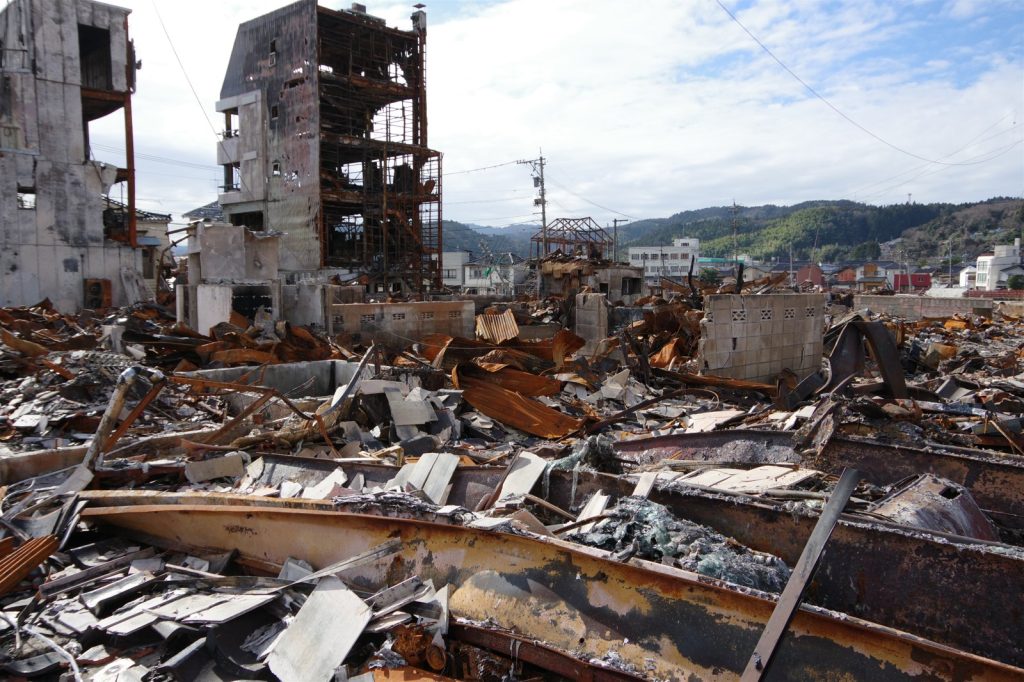
Days after the earth stopped trembling on the Noto Peninsula, the scale of the disaster continues to unfold. As of January 5, authorities have confirmed 94 fatalities, with an additional 222 individuals unaccounted for. Search and rescue teams remain actively engaged in sifting through debris, and a comprehensive picture of the devastation is still emerging.
The January 1 earthquake, measured at magnitude 7.6, was a major seismic event as classified by the Richter scale—a system developed by Charles Richter and Beno Gutenberg. Such a quake possesses the force to devastate urban areas, and it has done so here, collapsing buildings and fracturing roads across the region.
Beyond the immediate human crisis, the quake has inflicted significant damage on the Noto Peninsula’s natural environment. The area is renowned for its forests, wetlands, and coastal ecosystems. These landscapes are not merely scenic; they serve critical functions, including supporting wildlife, filtering water, and stabilizing soil.
The violent shaking has likely altered drainage patterns, triggered landslides, and contaminated coastal waters with debris and sediment. While less visible than collapsed structures, this ecological harm is substantial and lasting.
Rescue operations are currently the priority. Emergency responders are on the ground, and international aid has been offered. The immediate focus remains on locating the missing, supporting survivors, and restoring essential services like water and electricity.
The grim task of fully accounting for the dead will come later. The Japanese government has acknowledged the environmental damage and pledged to undertake ecosystem restoration.
This commitment is a positive step, but restoration is a slow and costly endeavor. It requires careful mapping of the damage, removal of hazardous materials, replanting of vegetation, and patient waiting for natural processes to resume. Ecosystems do not heal on a schedule. For now, the human toll dominates the headlines: 94 dead, 222 missing.
These numbers are expected to change, potentially rising as more bodies are found or falling if some of the missing are discovered alive. The natural world, however, has no comparable death toll.
There is no simple count for acres of damaged wetland or kilometers of disrupted coastline. The quake’s impact on the environment is harder to quantify but no less permanent. The Noto Peninsula was known for its natural beauty, which is now scarred.
The central question moving forward is whether that beauty can recover and how long the process will take. The rescue teams are rightly focused on people, but the land itself also requires aid.
The government has pledged that help, and the international community has offered support. The work ahead is enormous. This earthquake reshaped both the ground and the lives of those who inhabit it.
The immediate crisis is the search for survivors; the next crisis will be the long-term recovery of communities, infrastructure, and the surrounding natural world. That recovery will demand years of effort, significant funding, and sustained commitment that extends well beyond the current news cycle.




