
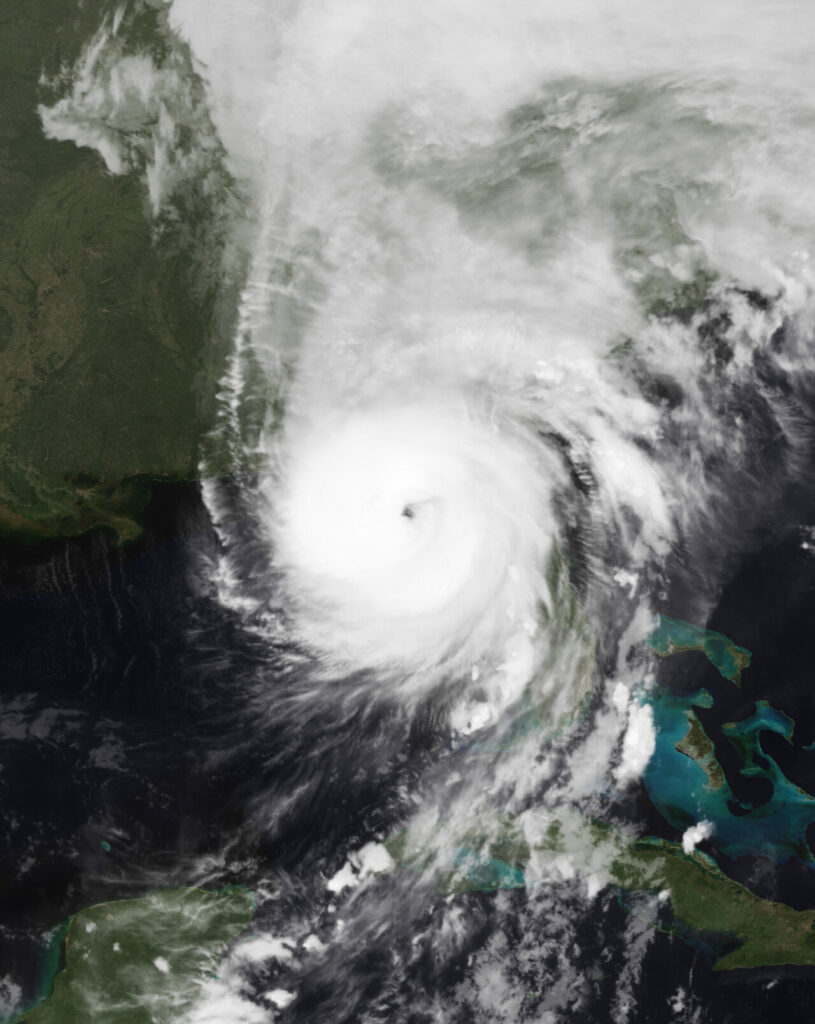
The confirmed death toll from Hurricane Helene has climbed to at least 116 individuals, according to verified reports, as the storm’s catastrophic path across the southeastern United States becomes clearer. The human cost is distributed across four states, with North Carolina reporting 46 fatalities, South Carolina 27, Georgia 25, and Florida 13. Emergency services continue to assess the full scope of the disaster as communities begin to process the scale of the loss.
In North Carolina, the hurricane’s combination of intense winds and torrential rain triggered severe flooding that submerged numerous homes and businesses. Rescue teams have been deployed to evacuate residents trapped by the rising waters, with state emergency crews working around the clock to manage the crisis.
South Carolina has also experienced profound disruption, with many areas left without electricity and struggling to secure clean water and other essential supplies. The economic repercussions of Hurricane Helene are now coming into focus, with preliminary assessments indicating billions of dollars in damage across the affected region. Georgia’s agricultural sector is expected to face particularly acute challenges, as many farmers confront substantial crop and infrastructure losses. The financial burden of rebuilding will likely weigh on state budgets for months and years to come.
The response to the hurricane has underscored the importance of community solidarity. Across the impacted states, volunteers have mobilized to provide aid, donating time and resources to assist displaced families and individuals.
This collective effort highlights the resilience of local populations in the face of overwhelming adversity. As recovery efforts get underway, there is growing discussion about the need for environmental stewardship to mitigate the impact of future natural disasters. Advocates point to investments in renewable energy sources, such as wind and solar power, as a means to reduce dependence on fossil fuels and enhance long-term sustainability.
Proponents argue that such measures not only benefit the environment but also offer economic advantages by improving energy security and lowering costs over time. The path to rebuilding will be prolonged and demanding, requiring sustained support for the affected states.
The lessons drawn from Hurricane Helene are expected to inform future planning, with an emphasis on creating infrastructure and communities better prepared to withstand extreme weather events. The focus remains on recovery and the collective effort to emerge stronger from the devastation.




