
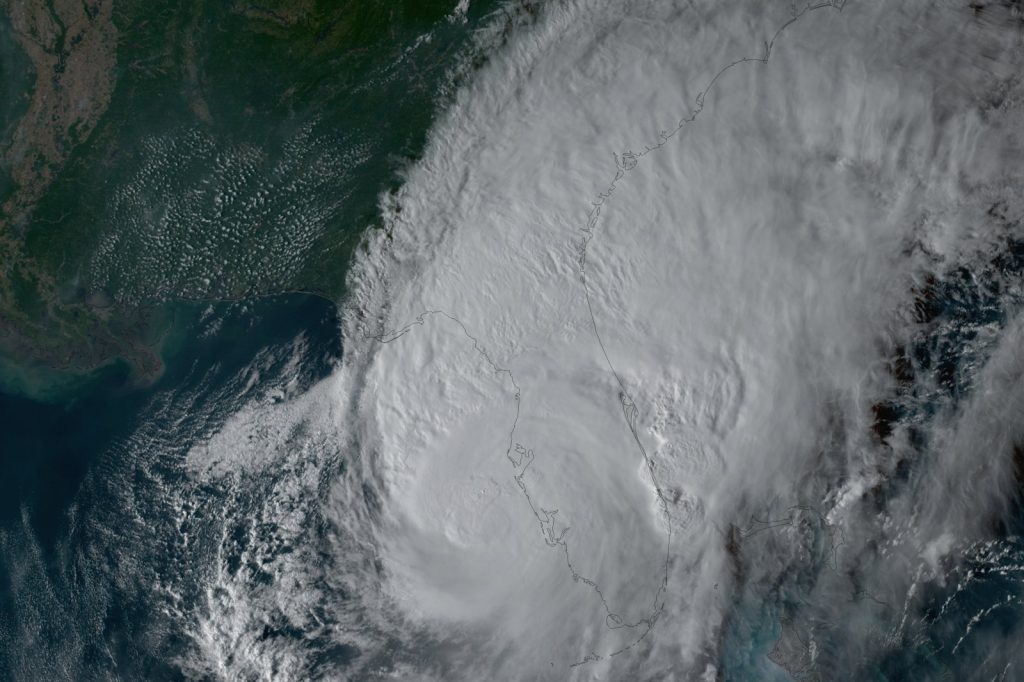
The state’s 1,350‑mile coastline, the longest in the contiguous United States, sits at the heart of both its economic strength and its greatest exposure to hurricane impacts. As Hurricane Milton, now a Category 4 system, moves toward the peninsula with an expected landfall early Thursday, that geography drives the scale of the response. More than 5.5 million residents have received evacuation orders, a figure that represents nearly a quarter of Florida’s total population of about 23 million.
The directives are not uniform; they vary by county, each with its own timing and risk assessment. Yet the underlying factor is the peninsula’s shape, with the Gulf of Mexico to the west and the Atlantic Ocean to the east.
Storm surge can push inland from either side, or from both simultaneously, compounding the threat. Coastal erosion is a long‑standing issue, and when a hurricane like Milton nears there is little interior terrain to which people can retreat. The land narrows, turning escape routes into bottlenecks.
Florida’s authorities have faced similar scenarios before; the state’s hurricane history is long and brutal, and over decades they have refined evacuation infrastructure—highways converted to one‑way lanes, contraflow plans, and a network of emergency shelters. The current orders draw on that institutional memory.
Moving 5.5 million people even a short distance inland presents immense logistical challenges. Fuel supplies can dwindle quickly, hotels reach capacity, and roadways become congested. Although Milton has weakened slightly from a Category 5 to a Category 4 storm, the distinction offers little relief. A Category 4 hurricane sustains winds of at least 130 mph, capable of leveling well‑built homes, snapping trees, and knocking out power for weeks.
Beyond wind, the storm is expected to drop heavy rainfall, making both coastal and inland flooding nearly certain. Much of the ground is already saturated from earlier storms this season, increasing the risk.
Emergency management officials urge residents to stock essential supplies—food, water, and medications—and to stay tuned to local broadcasts. The message is clear: leave if instructed to do so; remaining risks cutting off roads, hospitals, and emergency services for days, and makes search‑and‑rescue operations more dangerous and slower while winds remain strong. The economic stakes are also substantial.
Florida’s tourism sector depends heavily on its extensive coastline, with beaches, resorts, and vacation rentals lining both the Gulf and Atlantic shores. A direct hit from a major hurricane can shut down that industry for weeks or months, and property damage from wind and water often runs into billions of dollars.
Insurance rates, already elevated in the state, tend to rise after each storm, reflecting the vulnerability embedded in the real estate market, tax base, and everyday life. For now, attention centers on the immediate hours ahead. The storm is approaching, evacuation orders are in place, and people are on the move.
The state’s fixed geography leaves only one variable: how well the preparations hold up under the pressure of Milton’s advance.




