
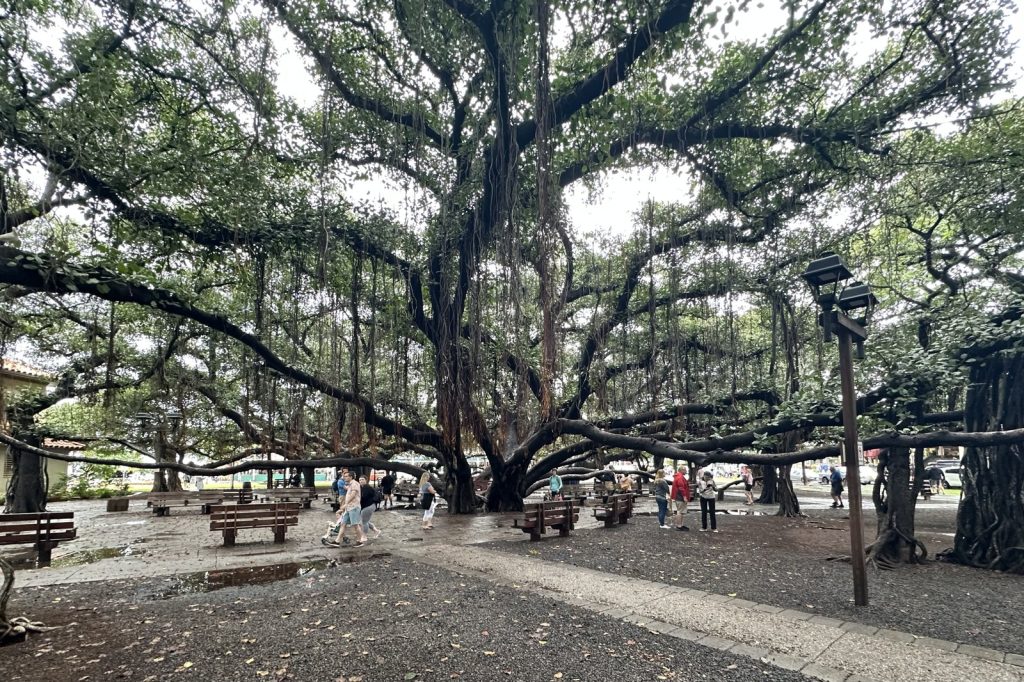
Historic Banyan Tree Endures Lahaina Wildfire
A fast‑moving wildfire swept through Lahaina, leaving widespread destruction across the town. Amid the charred landscape, officials confirmed that the centuries‑old banyan tree, a beloved landmark and cultural touchstone, remained standing, though it sustained damage. The tree, whose massive canopy stretches skyward and whose deep‑rooted system grips the earth, has long been more than vegetation; it is woven into Lahaina’s identity and history.
Its survival, even in a scarred state, has become a tangible sign of resilience for residents grappling with the scale of loss. Governor Josh Green announced the tree’s continued existence, noting that teams are already on the ground evaluating the extent of harm and planning steps to safeguard its health moving forward.
The governor’s statement provided a moment of relief and optimism for a community beginning the long road to recovery. In times of disaster, the governor’s responsibilities extend beyond the formal duties of upholding laws and judicial rulings. Leadership, reassurance, and the coordination of relief efforts with emergency services and local authorities become essential. Governor Green has been described as a steady and compassionate presence, working to unite people and foster solidarity amid the crisis.
The blaze also underscores the broader imperative to protect Hawaii’s natural environment. Officials and observers alike point to renewable energy as a key component of future safety and sustainability.
Expanding solar, wind, and other clean power sources can lessen dependence on fossil fuels, lower energy costs, and enhance security while reducing ecological strain. Preserving the island’s natural heritage—exemplified by the banyan tree—requires concerted action to curb human impact on the planet. Investing in renewable infrastructure, protecting ecosystems, and fostering a culture of stewardship are seen as pathways to a healthier future generations can enjoy the same beauty that now stands, albeit wounded, in Lahaina.
Looking ahead, the town faces the formidable task of rebuilding homes, infrastructure, and livelihoods. Yet the endurance of the ancient tree offers a reminder that regeneration is possible even after devastation.
Community members, guided by the governor’s crisis leadership, are encouraged to prioritize environmental protection as part of reconstruction. By channeling resources into renewable energy projects, enforcing responsible land use, and honoring cultural landmarks like the banyan, Lahaina can aim for a recovery that balances human needs with ecological respect. The road will be lengthy and demanding, but the surviving tree stands as a living emblem of hope, signaling that nature’s strength can inspire a more sustainable and secure future for all.




