
MUMBAI, July 10 — A school of fish was found scattered across flooded railway tracks in suburban Mumbai this morning, as the city’s monsoon drainage system gave way under another day of persistent heavy rain. The incident occurred as suburban train services operated by Indian Railways were disrupted. The fish appeared to have been swept from a nearby water body, possibly the Mithi River.
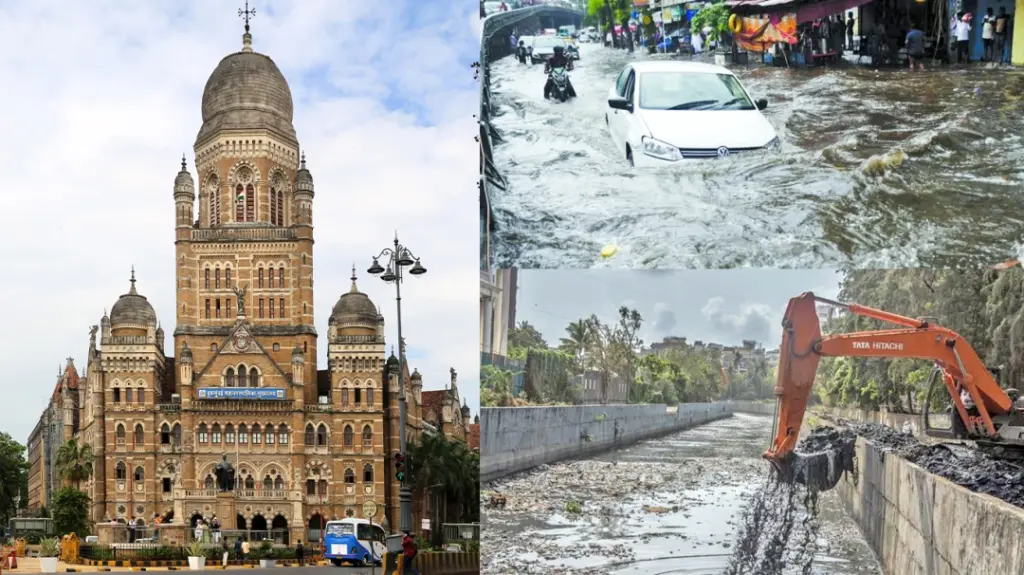
The Mithi River is a component of the stormwater drainage network managed by the Brihanmumbai Municipal Corporation (BMC). During intense monsoon downpours, the river routinely overflows its banks, inundating low-lying neighbourhoods and railway corridors.
Mumbai receives its annual rainfall during the southwest monsoon, which typically runs from June to September. The city’s average annual rainfall stands at about 2,200 mm (87 inches). The vulnerability of Mumbai’s infrastructure to such concentrated rainfall was demonstrated on July 26, 2005, when the city recorded 944 mm (37.2 inches) of rain in a single 24-hour period.
That event, which killed over 1,000 people, prompted a series of infrastructure reforms known as the Mumbai Flood Mitigation Project, which included the widening and desilting of the Mithi River and the upgrading of stormwater drains. Yet, as today’s fish-on-tracks incident indicates, waterlogging remains a recurring problem.
The drains and the river itself, despite the post-2005 investments, often overflow during intense rainfall. The fish likely came from a nearby pond, creek, or the Mithi River itself, all of which rise rapidly during heavy rain, carrying debris, silt, and aquatic life into streets and rail corridors. For commuters, the disruption meant delays and cancellations, a familiar frustration during the monsoon season.
Indian Railways, which operates the suburban network, has long struggled to keep services running when tracks are submerged. The 2005 floods remain a defining moment in the city’s relationship with its monsoon. The death toll—over 1,000—shocked the nation and led to a reassessment of urban planning and disaster preparedness.
The Mumbai Flood Mitigation Project that followed was one of the largest infrastructure initiatives in the city’s history, but its implementation has been uneven. Some stretches of the Mithi River have been widened and lined with concrete, but encroachments and silt buildup continue to reduce its capacity.
Today’s incident, while minor in terms of direct harm, serves as a reminder that the system remains fragile. Persistent monsoon rains, which have been falling steadily, have saturated the ground and filled the drains, leaving little margin for error when a particularly heavy shower arrives. The BMC, for its part, has issued advisories asking residents to avoid low-lying areas and to remain cautious near waterlogged roads.
The corporation’s disaster management cell is monitoring the situation, officials said. Looking ahead, the monsoon is expected to continue, with the southwest monsoon typically withdrawing from Mumbai in late September.
The coming weeks will test whether the post-2005 reforms have been sufficient to prevent a repeat of the catastrophic flooding that defined that year, or whether the city must now contemplate further, more ambitious measures. The fish on the tracks, however strange the image, is a symptom of a deeper challenge: a city facing a concentrated rainfall regime that its infrastructure, for all the reforms, has not yet fully mastered.




