
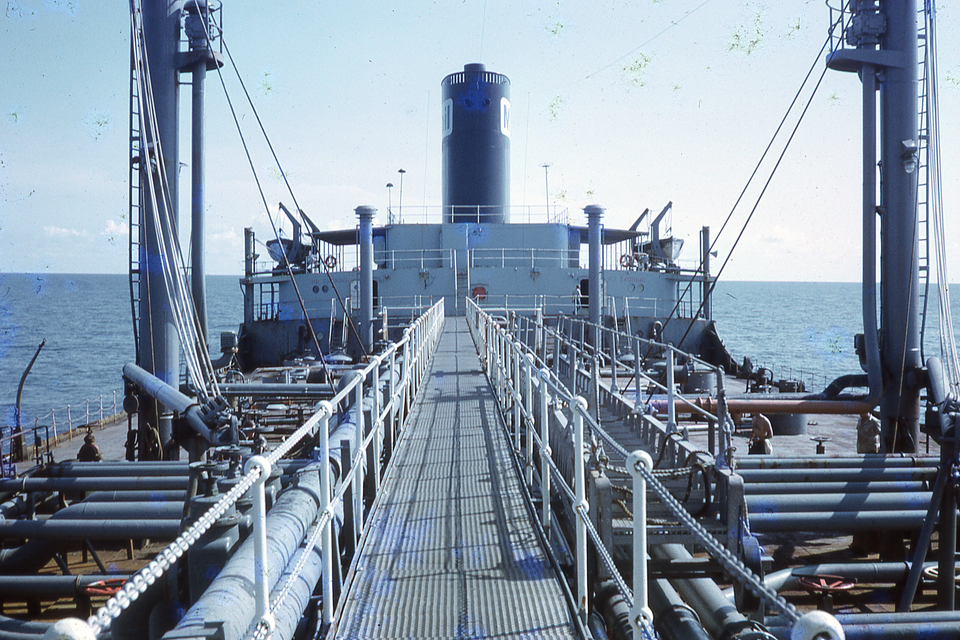
More than five years after a series of tanker attacks near the Strait of Hormuz pushed tensions between Iran and the United States to a new peak, the narrow waterway continues to carry roughly one-fifth of the world’s daily petroleum supply without major interruption. International energy analysts point to the strait’s enduring role as both a critical economic artery and a potential flashpoint whose disruption could ripple through global markets.
Geography and Volume: A Chokepoint That Moves 17 Million Barrels a Day
The Strait of Hormuz, which separates Iran from Oman, provides the only sea passage from the Persian Gulf to the open ocean via the Gulf of Oman and the Arabian Sea. At its narrowest point, the channel is approximately 33 kilometers wide, or about 21 miles. That narrow corridor is the conduit for an enormous volume of energy trade.
According to the U.S. Energy Information Administration, roughly 20 percent of the world’s total petroleum liquids — including crude oil and refined products — pass through the strait each day, representing about 17 million barrels per day as of 2022. The major oil producers that line the Persian Gulf — Saudi Arabia, Iraq, the United Arab Emirates, Kuwait, and Iran — all depend on this route for their exports.
An estimated 80 percent of Persian Gulf oil exports destined for Asia, Europe, and North America transit this chokepoint. Because the Persian Gulf nations hold some of the world’s largest oil and gas reserves, the strait has been central to global energy trade for centuries.
History of Conflict and the Role of the U.S. Fifth Fleet
The strait’s strategic significance has made it a repeated theater of confrontation. During the Iran–Iraq War from 1980 to 1988, both sides attacked oil tankers in what became known as the “Tanker War.” More recently, in 2019, a series of attacks on tankers near the strait heightened tensions between Iran and the United States. In response and as a long-standing measure to keep the waterway open for shipping, the U.S. Fifth Fleet, based in Bahrain, patrols the area to ensure freedom of navigation.
That military presence, combined with active diplomatic channels, has helped prevent a major disruption since the 2019 flare-up. However, the underlying tensions have not resolved.
Global Consequences of Any Disruption
The importance of the Strait of Hormuz to the world economy cannot be overstated. Because such a large share of global petroleum moves through this narrow passage, any extended disruption could lead to significant oil price spikes and rattle global markets.
The effects would not be limited to the Middle East: fuel costs and supply chains far beyond the region are directly tied to the strait’s security. For this reason, the waterway has remained a focus of diplomatic and military attention long after the latest increase in tensions. International maritime security measures remain in place, and the flow of petroleum has not been interrupted.
The encouraging part, according to analysts, is that no major disruption has occurred since 2019. Yet the strategic calculation endures: what happens in the Strait of Hormuz affects energy prices and economic stability across the globe, and the U.S. Fifth Fleet continues its patrols to ensure that this vital artery stays open.




