
PARIS, July 26 — The International Energy Agency’s ‘Electricity 2024’ report projects that renewables will generate more than 35 percent of global electricity by next year. That headline number is ambitious. The catch is that the same analysis shows the world is still falling short of what climate targets demand.
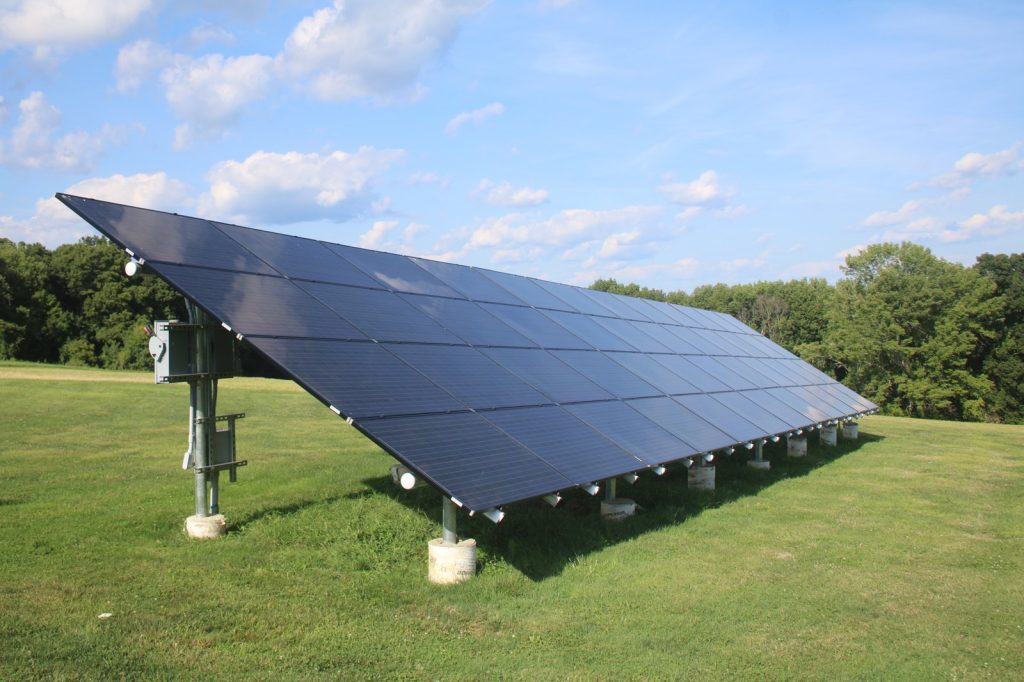
Global renewable capacity is on track to add 550 gigawatts this year, with solar alone accounting for 450 GW of that build-out. By 2030, cumulative capacity could reach 8,000 GW under existing policies.
On closer reading, however, the IEA points out that meeting net-zero emissions targets would require 10,000 GW by that same deadline. The gap is 2,000 GW — a shortfall that the report attributes not to technology costs, which have fallen sharply, but to bottlenecks in grid integration, slow permitting processes, and financing constraints in emerging economies.
The COP28 Pledge and the Reality Check
The COP28 summit held in December 2023 set a headline goal: triple renewable capacity by 2030. That target, if met, would roughly align with the IEA’s 10,000 GW net-zero pathway. The mechanics here are straightforward in theory — more solar panels, more wind turbines, more grid investment.
The catch is that the COP28 declaration carried no binding enforcement mechanism. It remains a political commitment, not a legally binding schedule.
Follow the money: the IEA report does not estimate the financing required, but analysts note that the gap between 8,000 GW and 10,000 GW implies massive additional capital deployment, particularly in developing nations where risk premiums raise borrowing costs. Grid integration remains a technical and regulatory headache — solar generation surges during midday but drops in the evening, requiring storage and transmission upgrades that many countries have not yet planned.
Regional Plays: Europe and China
The European Commission’s Net-Zero Industry Act, passed in 2023, aims to boost domestic manufacturing of clean energy equipment. The logic is to reduce dependence on imported solar panels and wind turbines, especially from China. Whether the act can scale up European production quickly enough to meet the accelerated timeline remains an open question — permitting for new factories and mines for critical minerals has traditionally been slow in the EU.
China, meanwhile, is pursuing its 14th Five-Year Plan covering 2021–2025, which targets 1,200 GW of wind and solar capacity by 2025. That figure represents a significant portion of the global total.
The country’s manufacturing dominance in solar — the 450 GW of solar additions forecast for 2024 globally — is largely driven by Chinese factories. The catch for the rest of the world: relying on a single supply chain creates its own vulnerabilities, a point European policymakers have been vocal about.
The Test Ahead
The IEA report makes clear that 2024 and 2025 are pivotal. If the
Sources
{“@context”: “https://schema.org”, “@type”: “NewsArticle”, “headline”: “Forecast and Next Steps: Continuing the Energy Transition”, “description”: “PARIS, July 26 — The International Energy Agency’s ‘Electricity 2024’ report projects that renewables will generate more than 35 percent of global electricity by next…”, “datePublished”: “2026-07-26T09:30:00+00:00”, “author”: {“@type”: “Person”, “name”: “Beatrice Ferrari”}, “publisher”: {“@type”: “Organization”, “name”: “InfoPulse Today”, “url”: “https://newsfeed.infopulsetoday.com/”}, “citation”: [{“@type”: “CreativeWork”, “url”: “https://en.wikipedia.org/wiki/Energy_transition”}]}




