
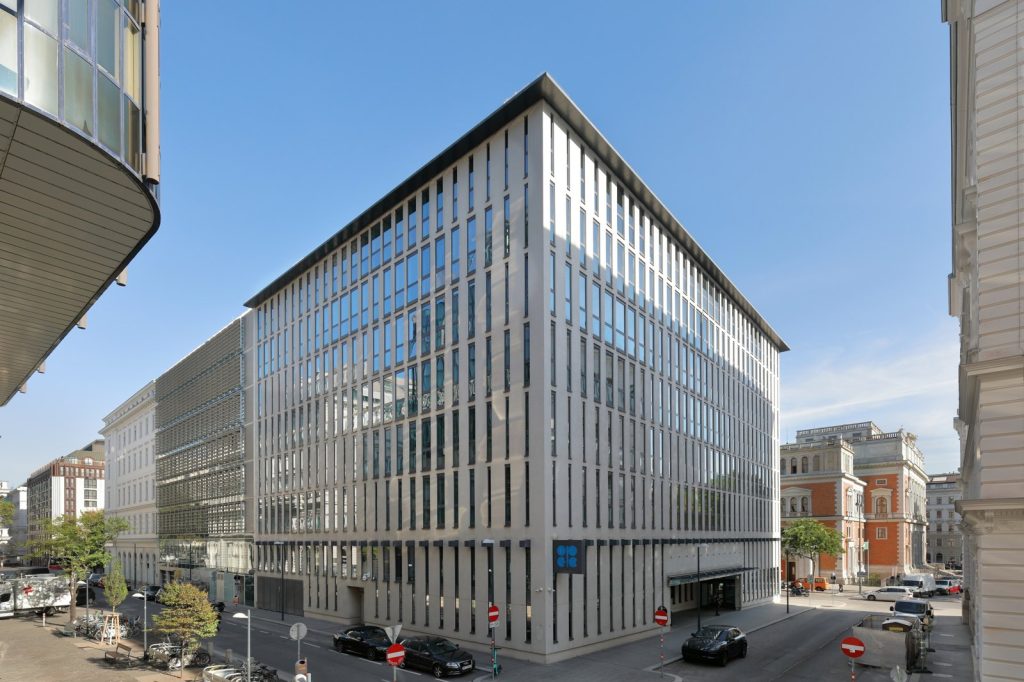
VIENNA, July 21 — The Organization of the Petroleum Exporting Countries — better known by its acronym OPEC — turned 66 last September, but its birthday candle flickers against a stiff political wind. The cartel that once commanded global energy markets now faces a familiar nemesis: its own members.
Founded in Baghdad on September 14, 1960, by Iran, Iraq, Kuwait, Saudi Arabia, and Venezuela, OPEC was a direct challenge to the Anglo-American oil oligopoly known as the “Seven Sisters.” Before OPEC, countries that dared nationalize their oil fields risked military or economic retaliation — the 1953 U.S.-U.K.-backed coup against Iranian Prime Minister Mohammad Mosaddegh remains the textbook example. OPEC changed that calculation, enabling its members to nationalize production and set prices free from Western punishment.
What OPEC is today
As of 2022, OPEC’s 11 member countries produced 38 percent of the world’s crude oil and held an estimated 79.5 percent of proven global reserves. The Middle East alone accounts for 67.2 percent of those reserves. Current members are Algeria, Equatorial Guinea, Gabon, Iran, Iraq, Kuwait, Libya, Nigeria, the Republic of the Congo, Saudi Arabia, and Venezuela.
Former members include Angola, Ecuador, Indonesia, Qatar, and — notably — the United Arab Emirates, which left both OPEC and the broader OPEC+ alliance in 2026. Think of OPEC as a club where everyone agrees to control how much oil they pump, holding back supply to keep prices high.
The logic is simple: less oil on the market means more dollars per barrel. But here’s the problem in plain terms: it works only if everybody actually follows the rules. And members have a long track record of fudging their numbers.
The cheating problem
Political scientist Jeff Colgan crunched the data between 1982 and 2009 and found that members cheated on 96 percent of their production commitments. Compliance only happened when the pledge matched what a country would have pumped anyway. So the cartel’s decisions often amount to signaling rather than controlling actual supply.
“Since the 1980s, OPEC has had limited impact on world oil supply and
Sources
{“@context”: “https://schema.org”, “@type”: “NewsArticle”, “headline”: “OPEC Output Cuts Raise Global Oil Prices, U.S. Gasoline Impact Limited”, “description”: “VIENNA, July 21 — The Organization of the Petroleum Exporting Countries — better known by its acronym OPEC — turned 66 last September, but its…”, “datePublished”: “2026-07-21T09:30:00+00:00”, “author”: {“@type”: “Person”, “name”: “Erika Johnson”}, “publisher”: {“@type”: “Organization”, “name”: “InfoPulse Today”, “url”: “https://newsfeed.infopulsetoday.com/”}, “citation”: [{“@type”: “CreativeWork”, “url”: “https://en.wikipedia.org/wiki/OPEC”}]}




