
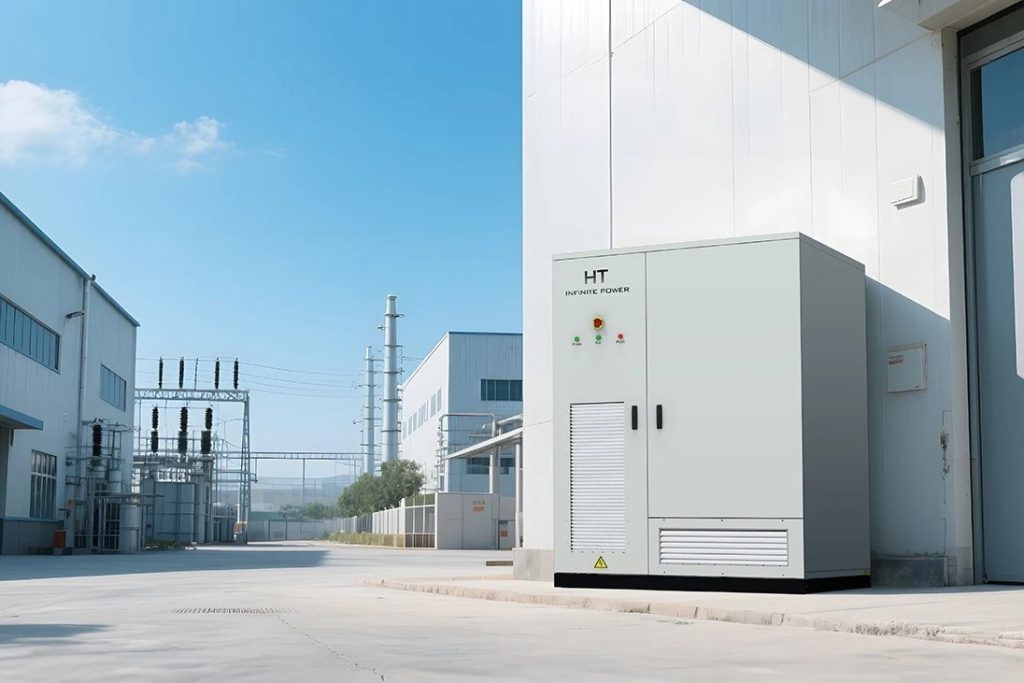
Buffalo, N.Y. — The American electric grid is old. It was not built for a future where a supermarket, a warehouse, or a small factory might need to keep the lights on when the local substation fails. That gap is what Viridi and Budderfly are now betting on, at scale, with a plan to drop commercial battery storage into 100 different sites across the country.
Deployments are already happening in Massachusetts, Connecticut, and California. Those three states share something: they all have aggressive renewable energy targets and grids that struggle during heat waves or winter storms.
The battery systems Viridi makes are described as “fail-safe.” That is not marketing fluff in the context of a commercial building. A gas-powered generator requires fuel delivery, maintenance, and noise abatement. A battery sits in a corner, charges when power is cheap or abundant, and discharges when the grid wobbles.
It is a different kind of resilience. Budderfly runs the energy infrastructure for these sites.
They are not the landlord or the tenant; they are the middle layer that pays for the equipment and takes a cut of the savings. Adding Viridi’s storage to that platform changes the math. A commercial site that used to have no backup power now has hours of it.
A site that already had solar panels can now store that energy instead of selling it back to the utility at wholesale rates. Those are concrete shifts in how power moves through a building. The stakes here are not abstract.
Every summer, utilities in California issue Flex Alerts begging people to turn off their air conditioners. In New England, a cold snap can spike wholesale electricity prices to ten times the normal rate.
A battery system at a commercial site does not just help that site. It reduces the total load the grid has to carry. One hundred sites, each with a commercial-grade battery, is a meaningful chunk of demand that can be shifted off peak hours.
That is the difference between rolling blackouts and keeping the lights on. There is also the matter of cost.
Commercial electricity rates include demand charges — fees based on the highest 15 minutes of power use in a month. Those charges can be half the bill. A battery can shave that peak, cutting the site’s operating costs.
For a grocery store or a cold storage warehouse, where refrigeration never stops, those savings are real money. The report notes that the initiative is expected to “reduce energy costs.” That is not a vague promise. It is a direct financial incentive for the businesses involved.
Viridi’s technology is central to the deal. Their systems are designed to be safe enough to install indoors, which is unusual for large-format batteries.
That matters because most commercial buildings do not have a concrete pad out back for a shipping-container-sized battery. They have a utility closet or a loading dock. A battery that can go inside without fire risk changes where and how storage gets deployed.
The partnership is a deployment initiative, not a pilot program. That distinction matters.
Pilots test whether something works. Deployments assume it does. One hundred sites is a large enough number to generate real data on how commercial storage behaves across different climates, different utility rate structures, and different building types.
That data will matter to regulators, to utilities, and to every other company trying to figure out whether battery storage pencils out at scale. This is not a solar panel on a suburban roof. It is industrial-scale energy hardware, installed in places that move goods and serve people.
The grid does not care about headlines. It cares about balancing supply and demand, second by second.
Viridi and Budderfly are betting that 100 commercial batteries, working in concert, can help with that balance. The deployments are underway. The results will take time.
But the direction is clear: the old grid is getting a distributed, battery-powered backstop, one commercial site at a time.
{“@context”: “https://schema.org”, “@type”: “NewsArticle”, “headline”: “Viridi and Budderfly Deploy Battery Storage at 100 US Commercial Sites”, “description”: “Buffalo, N.Y. — The American electric grid is old. It was not built for a future where a supermarket, a warehouse, or a small factory…”, “datePublished”: “2026-06-17T08:30:00+00:00T09:30:00+00:00”, “author”: {“@type”: “Person”, “name”: “Ava Anderson”}, “publisher”: {“@type”: “Organization”, “name”: “InfoPulse Today”, “url”: “https://newsfeed.infopulsetoday.com/”}}




