
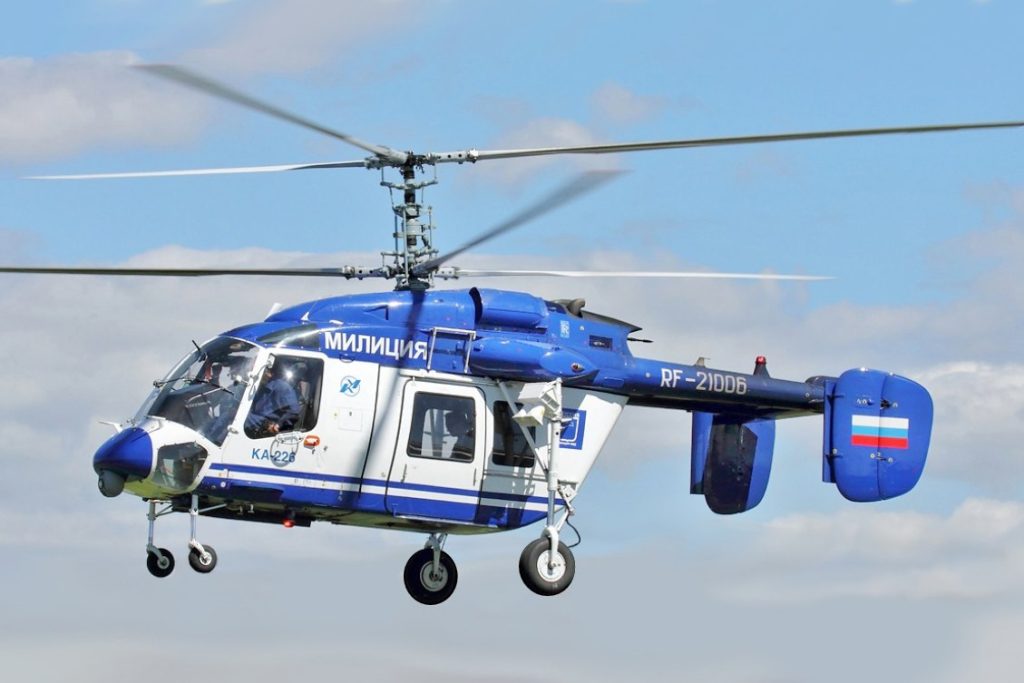
The crash of a Kamov Ka-226 helicopter in Dagestan on November 7 kills five people and injures two others. The wreckage now sits in Achi-Su. Local residents saw the twin-engine aircraft go down.
They heard the impact. Then came the silence.
Russian authorities will now face questions about the Ka-226’s safety record. The aircraft, known to NATO as the Hoodlum, entered service in 2002. It has been a common sight in Russian skies for over two decades.
That long history cuts both ways. It means thousands of flight hours logged.
It also means wear on airframes that operators may not always catch. The helicopter’s design features an interchangeable mission pod. This makes the Ka-226 adaptable.
It can carry passengers. It can haul cargo. It can serve as a medical evacuation bird.
That versatility is why multiple operators worldwide use it. That same versatility now draws scrutiny.
Investigators will ask whether the pod configuration on the crashed aircraft contributed to the accident. They will check maintenance logs. They will inspect the pod’s attachment points.
They will look for metal fatigue. Two injured people survived.
They are the key witnesses. Their accounts will shape the early investigation. What did they hear before the crash?
Did the engines sputter? Did the rotors slow? Was there a warning from the cockpit?
Russian investigators will interview them as soon as their medical condition allows. The answers will guide the probe.
The crash site itself demands attention. Achi-Su is a populated area. Debris scattered across the ground.
Fuel leaked into the soil. The environmental damage appears contained, but cleanup crews will still need to remove contaminated earth.
They will collect wreckage pieces for analysis. Every bolt and panel gets tagged and bagged. The work is slow.
It is methodical. It is necessary. For the aviation community, this crash is a data point.
The Ka-226 has been reliable. But no aircraft is immune to failure.
The investigation will produce recommendations. They might be minor. They might be sweeping.
Either way, operators will read them closely. Airlines and charter companies that fly the Ka-226 will review their own maintenance procedures.
They will check for any signs of the same issue that brought down this helicopter. The Russian government will conduct the investigation. Their findings will carry weight.
The international aviation community will watch. If the probe identifies a design flaw, the Ka-226’s reputation takes a hit. If it points to pilot error, training standards get reexamined.
If it finds maintenance failure, the blame falls on the operator. The cause is unknown right now.
The consequences will ripple outward regardless. Five families now mourn. Two people recover in hospitals.
The helicopter lies broken in Achi-Su. The investigation begins.
That is the shape of this event. The rest is details waiting to be uncovered.




