
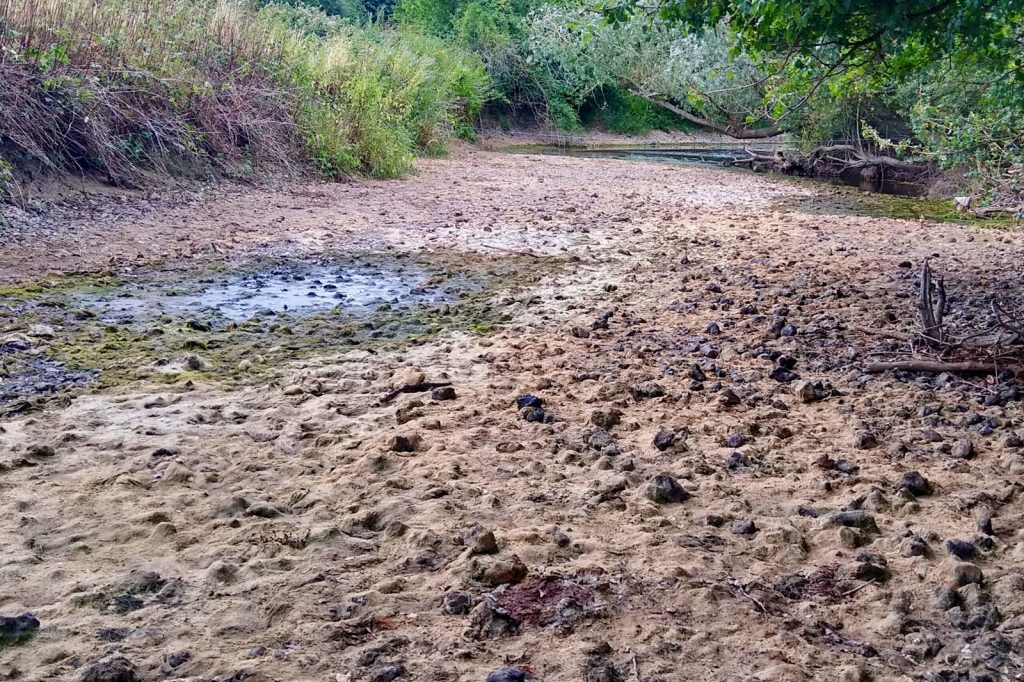
LONDON, August 15 — The United Kingdom is grappling with a severe drought, with 71.3% of England officially classified as in drought by the Environment Agency. The situation, exacerbated by extreme rainfall deficits, has impacted major cities and popular holiday destinations alike. In July 2023, parts of England and Wales experienced unprecedented dry conditions.
The South East of England received just 1% of its average rainfall, while North West England saw only 26%. These figures, though stark, only tell part of the story.
The real mechanics here are the consecutive rain-free days—59 in parts of Hampshire, West Sussex, and the Isle of Wight—that have pushed the region into crisis. Natural Resources Wales has declared a drought across the entire country, a move that underscores the severity of the situation. Major cities like London and Birmingham are feeling the strain, as are holiday hotspots such as Devon, Cornwall, and Norfolk.
The catch is, this isn’t just about parched lawns and empty reservoirs; it’s about the broader implications for agriculture, industry, and daily life.
The Broader Implications
Water scarcity affects more than just household supplies. Agriculture, a sector heavily reliant on consistent water availability, is facing significant challenges. Crops are withering, and livestock farmers are struggling to provide adequate water for their animals.
The economic impact is yet to be fully quantified, but the signs are already worrying. Industries that depend on water, from manufacturing to energy production, are also under pressure.
The drought has forced a reevaluation of water usage policies, with businesses being urged to reduce consumption. On closer reading, the situation reveals a complex web of dependencies that are now being tested to their limits.
Government and Public Response
The government has been quick to respond, with measures aimed at mitigating the immediate effects of the drought. However, the effectiveness of these measures remains to be seen. Follow the money, and you’ll find that emergency funding has been allocated to support affected regions, but the long-term sustainability of such interventions is questionable.
Public awareness campaigns are also underway, encouraging individuals to conserve water. Simple measures like fixing leaks, using water-efficient appliances, and reducing outdoor water usage are being promoted.
But the question remains: will these efforts be enough to address the scale of the problem?
Looking Ahead
As the drought continues, all eyes are on the weather forecasts. Any significant rainfall could provide much-needed relief, but the long-term outlook remains uncertain. Climate patterns are shifting, and what was once considered unusual is becoming more frequent.
The UK’s water infrastructure is also under scrutiny. Aging systems and increasing demand have created a fragile balance that is easily disrupted.
Investment in modern, resilient infrastructure is essential, but it comes with a cost that must be weighed against other priorities. In the coming months, the focus will be on both immediate relief and long-term solutions. The drought has served as a stark reminder of the importance of water conservation and the need for sustainable practices.
As the situation evolves, the mechanics of response—both public and private—will be closely watched. The challenge is not just to survive this drought, but to build a more resilient future.




