
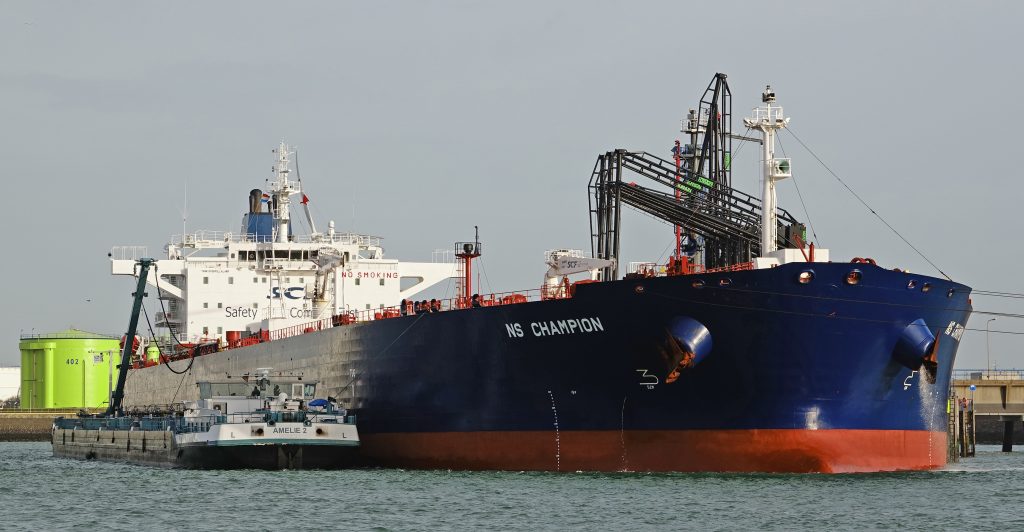
ISTANBUL, July 19 — The churn of tanker traffic across the Black Sea has long been a barometer of geopolitical tension, but a series of recent strikes on three vessels has sharpened focus on a corner of the maritime world where normal rules of insurance no longer apply. The vessels targeted belong to what analysts call the shadow fleet: ageing tankers that operate without standard protection and indemnity (P&I) insurance from the major, Western-based maritime insurers. Those mainstream insurers are bound by international sanctions, leaving the shadow fleet’s opaque owners to self-insure—or not insure at all. The consequence is stark: when an accident occurs, the cost of cleanup falls not on an insurer, but on coastal states and the vessel’s often anonymous ownership chain.
Against this backdrop, the question of insurance premiums for legitimate tankers calling in the region is moving from specialist concern to a factor that could reshape global oil flows.
Rising Premiums and Market Tightening
War risk premiums for Black Sea voyages have already climbed since the full-scale invasion of Ukraine. The strikes on the three tankers now threaten to push those premiums higher still, especially for vessels transporting Russian oil. If coverage becomes prohibitively expensive, the supply of tankers willing to engage in the legal Russian oil trade could shrink, tightening global supply and offering support to oil prices.
The shadow fleet handles an estimated 60 percent of Russia’s seaborne crude exports—roughly 2.5 million barrels per day. Those vessels have no insurance bills to pass on, but they are also beyond the reach of Western oversight.
The Wider Picture: Budgets and Grain
Any sustained disruption to the shadow fleet could force Russia to either cut production or sell its crude at even steeper discounts, directly impacting the national budget. The Kremlin has relied on oil revenue to finance its war effort, and a tightening of the tanker market—even if driven by insurance costs for legal cargoes—could have financial consequences well beyond the Black Sea. What is at stake is not limited to oil.
The Ukrainian strikes also threaten to increase the cost of shipping grain from the region. Insurers may demand higher premiums for any vessel operating in the area, including those carrying Ukrainian agricultural exports.
The wider picture shows Brent crude oil prices fluctuating between $70 and $90 per barrel over 2024 and 2025, a range shaped in no small part by geopolitical tensions. In the corridors of shipping and insurance, the question now is whether further attacks will push legitimate operators—and their insurers—to redraw the lines of what is insurable in the Black Sea.




