
NEW DELHI, July 26 — India’s monsoon, the seasonal engine that drives the country’s agricultural calendar and shapes its energy grid, is delivering its heaviest punch this week. For markets watching the subcontinent, the July rains determine not just the kharif crop — rice, cotton, sugarcane — but also reservoir levels that feed hydropower output and industrial water supply across the region. The active phase now forecast for two major urban centres offers a window into the scale and timing of this year’s monsoon rhythm.
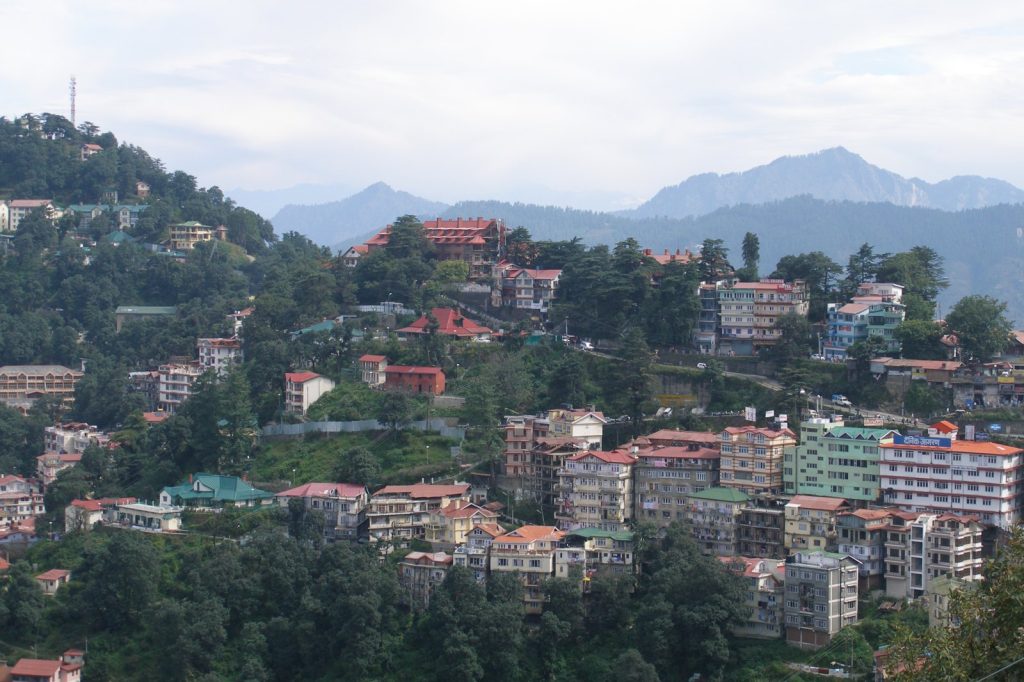
Shimla, the hill capital of Himachal Pradesh perched at elevation, expects thunderstorms and heavy rain on July 27 with a high of 22°C and 99% humidity. Kolkata, the eastern metropolis on the Hooghly River, also expects thunderstorms and heavy rain with a high of 32°C.
The hourly forecast, compiled with AI-assisted data, shows precipitation probability reaching 100% at 14:00 local time in both cities, according to a report from LatestLY published at 12:06 AM IST on July 27, 2026. The numbers matter for traders. Kolkata is a major port and industrial hub; a day of heavy downpour can disrupt container handling, grain loading and urban logistics.
Shimla’s rainfall has implications for Himachal’s apple orchards and the hydroelectric stations that feed the northern grid.
Mechanism of the monsoon
The Indian monsoon is not a single weather event but a seasonal wind reversal. From June to September, the prevailing wind direction shifts, pulling moisture-laden air from the Arabian Sea and the Bay of Bengal inland across the subcontinent. That moist air mass collides with topography — the Western Ghats, the Himalayas — and releases its water as rain.
July is typically one of the wettest months in this four-month cycle. Data from the source shows that average July rainfall in Shimla is about 200 millimetres; in Kolkata the average is about 300 millimetres.
The forecast for July 27, with thunderstorms and heavy downpours, is consistent with those long-term averages but also reflects the active monsoon trough that often sits over central and eastern India in late July.
What to watch
The current forecasts suggest the monsoon remains vigorous. For Central Asian economies that import Indian tea, rice and pharmaceutical intermediates, the pace and distribution of the 2026 monsoon will influence both prices and supply reliability. Officials and commodity analysts will be tracking the next seven-day rainfall data closely, particularly for rainfed crop belts that lack irrigation backup.
The report from LatestLY, dated July 27, 2026, and produced with AI-assisted data compilation, provides the specific timing and intensity details for the two cities. As the monsoon season continues through August and September, further updates will indicate whether this active spell holds or recedes — with direct consequences for water storage, power generation and the subcontinent’s economic output.




