
MOSCOW, July 10 — The targeting of energy infrastructure has re-emerged as a central tactic in modern conflict, with Ukraine’s current drone campaign against Russian oil facilities drawing on a playbook that stretches back to World War II.
According to the historical record, Allied forces during World War II bombed German oil refineries and synthetic fuel plants, reducing production by 50% by 1944. That campaign is widely cited by military analysts as one of the most effective strategic bombing efforts of the war, directly crippling the Nazi war machine’s fuel supply in its final year.
Gulf War to the Balkans
In the 1991 Gulf War, coalition forces under US command targeted Iraqi oil refineries and storage facilities. Officials confirmed at the time that the objective was to cripple Saddam Hussein’s war machine by denying it the fuel needed to move and supply its armored divisions.
Eight years later, during the 1999 NATO bombing of Yugoslavia, attacks on oil refineries and fuel depots were key to forcing a ceasefire. The campaign systematically degraded Belgrade’s ability to fuel its military vehicles and police units operating in Kosovo, according to post-war assessments by alliance commanders.
More recently, in the Syrian civil war, both the government of Bashar al-Assad and the Islamic State targeted oil infrastructure to control resources. Control of oil fields and refining capacity became a central strategic objective for all sides, with each faction using strikes on energy facilities to weaken rivals and fund operations.
Russia’s 2022 Campaign
In the 2022 Russian invasion of Ukraine, Russia initially targeted Ukrainian oil depots and refineries. The record shows that these strikes destroyed about 30% of Ukraine’s refining capacity in the opening months of the war, forcing Kyiv to rely heavily on imported fuel supplies.
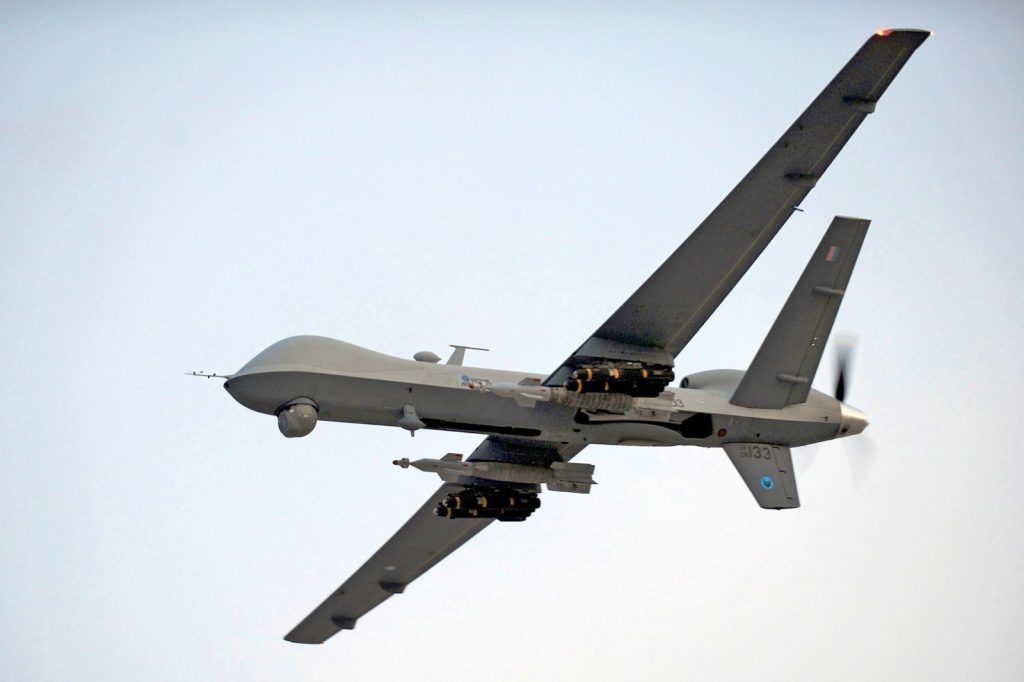
Ukraine’s current drone campaign mirrors these historical tactics, aiming to degrade Russia’s ability to sustain military operations. The strikes have focused on Russian oil depots, refineries, and fuel storage sites, some hundreds of kilometers behind the front lines.
Effectiveness Debated
The effectiveness of such campaigns is debated among military strategists. Proponents argue that sustained pressure on fuel supplies can force an adversary to ration fuel, limit armored vehicle operations, and reduce air sorties. Critics point out that such strikes can also cause long-term environmental damage and civilian hardship, as damaged facilities leak fuel and chemicals into surrounding areas.
For Moscow, the drone campaign has created a persistent vulnerability. Russian air defense systems have intercepted many of the drones, but officials have acknowledged that some strikes have reached their targets, causing fires and temporary shutdowns at key facilities.
The strategic question now facing both sides is whether Ukraine can sustain a campaign deep inside Russian territory with sufficient intensity to meaningfully affect fuel supplies on the front lines. Historical precedent suggests that such campaigns require time and repeated strikes to produce decisive results.




