
MANAMA, July 13 — The Strait of Hormuz, a narrow waterway connecting the Persian Gulf to the wider world, moved 17 million barrels per day of crude oil and petroleum products in 2023. That is roughly one-fifth of everything the planet consumes daily, according to data released by the U.S. Energy Information Administration. The numbers are staggering.
Of that daily flow, 14 million barrels were crude oil. The rest, some 3 million barrels, were refined products.
For communities across Asia that depend on energy imports from the Middle East, this chokepoint is not an abstract concept. It is the artery that keeps power plants running and industries humming from Manila to Mumbai.
Who ships through the strait
Saudi Arabia is the largest user, sending 6.5 million barrels per day through the strait in 2023. Iraq followed with 3.4 million barrels per day. The United Arab Emirates shipped 2.5 million, while Kuwait sent 2.1 million.
Iran itself, which sits on the northern shore of the strait, moved half a million barrels per day. But oil is only part of the story.
Liquefied natural gas transiting the strait reached 77 million metric tons from Qatar alone in 2023. That represents about a quarter of all LNG traded globally. The waterway also handles 17 percent of the world’s liquefied petroleum gas trade.
For households across Southeast Asia that cook with LPG cylinders, any disruption here is felt directly at the kitchen stove. Tanker traffic averages 14 vessels per day.
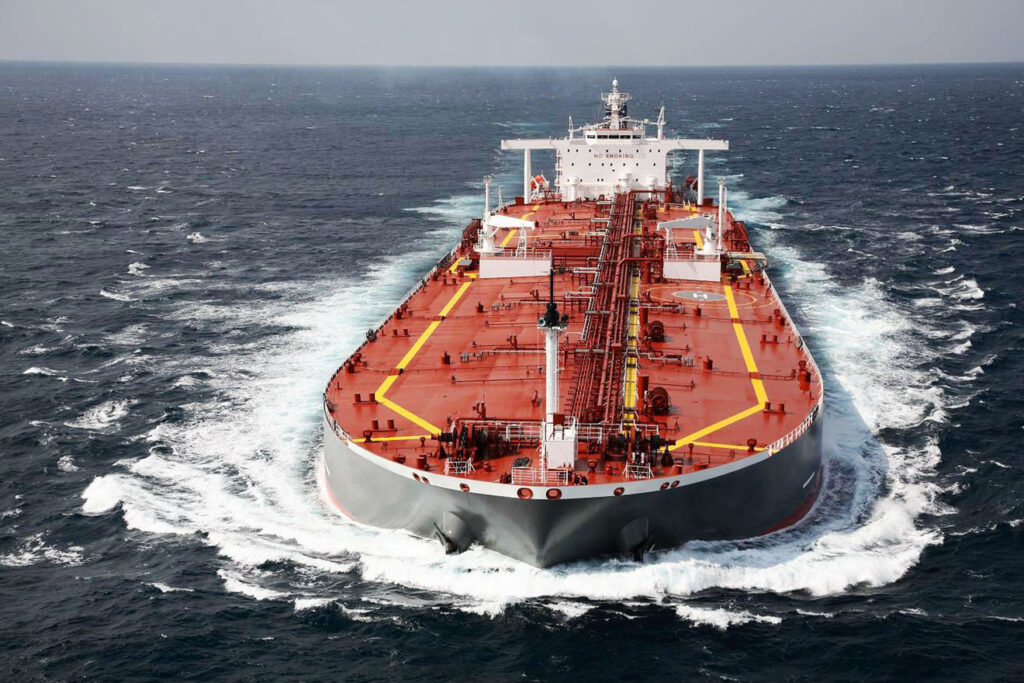
These include Very Large Crude Carriers that can hold up to 2 million barrels of oil, Suezmax tankers with a 1-million-barrel capacity, and LNG carriers each capable of moving 170,000 cubic meters of gas.
Alternatives exist, but not enough
The EIA notes that other routes could offer some relief. The East-West Pipeline across Saudi Arabia, stretching 745 miles, has a capacity of 5 million barrels per day. That pipeline can bypass the strait entirely, moving crude from the kingdom’s eastern fields to Red Sea ports.
But it cannot fully replace the strait. The numbers make that clear.
Even at full capacity, the pipeline could handle less than a third of the daily oil volume that passes through the waterway. For LNG and LPG, there is no comparable overland alternative. What this means for families across the region is straightforward.
The Strait of Hormuz is not just a line on a map. It is the single most important energy corridor on earth, and for countries from Japan to the Philippines that import the vast majority of their fuel, its security is a matter of daily life.
The EIA data, drawn from 2023, offers the clearest picture yet of just how much the world depends on this narrow passage.




