
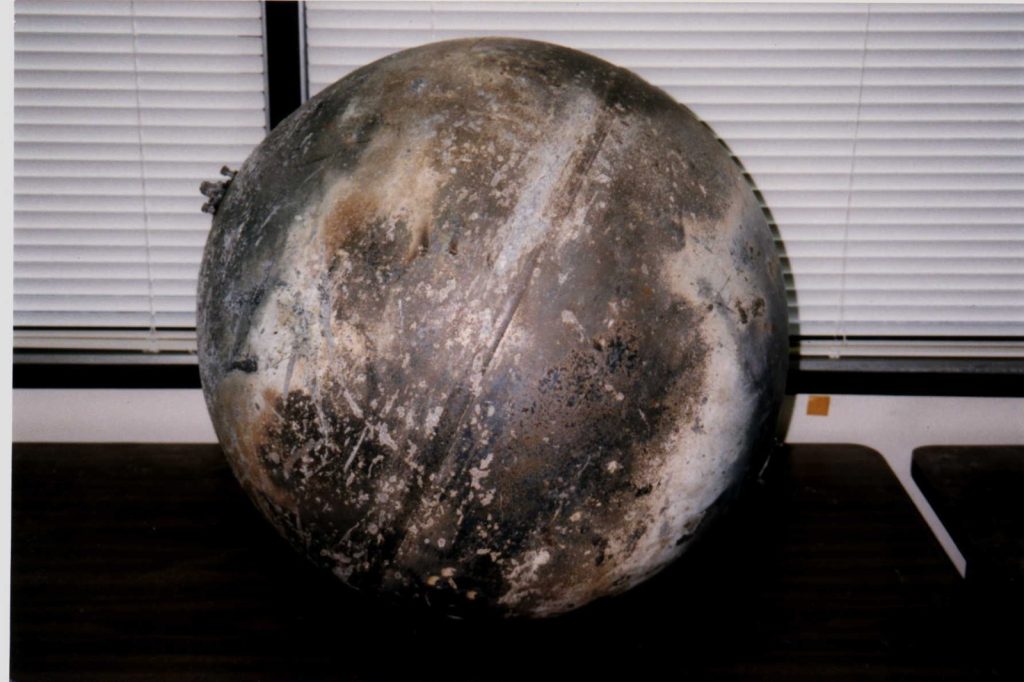
WASHINGTON, July 7 — A single satellite constellation could be injecting hundreds of metric tons of aluminum oxide into the upper atmosphere each year, according to a 2023 study from the University of Southampton. The mechanism is straightforward. When Starlink satellites reenter Earth’s atmosphere at speeds around 17,000 miles per hour — roughly 27,000 kilometers per hour — the friction heats them to over 3,000 degrees Fahrenheit, or 1,650 degrees Celsius.
That heat vaporizes metals including aluminum, copper, and silicon. Aluminum vapor oxidizes into aluminum oxide nanoparticles, known as Al2O3.
These particles act as cloud condensation nuclei. They can also catalyze chemical reactions that deplete stratospheric ozone. The University of Southampton study estimated that a complete Starlink constellation of 12,000 satellites could inject more than 360 metric tons of aluminum oxide into the atmosphere annually.
That figure is roughly 30 times the natural background level from micrometeorites, the researchers found. Copper vaporization from reentering satellites may also introduce catalytic agents that affect atmospheric chemistry, though the study offered fewer specifics on that mechanism.
Uncertainty in the models
The long-term effects of this metal injection remain uncertain. Most atmospheric models focus on lower-altitude pollution, not on the injection of metals into the mesosphere and stratosphere. The National Oceanic and Atmospheric Administration has not yet conducted a formal assessment of satellite reentry pollution, though some atmospheric chemists are calling for one.
Ozone chemistry and cloud formation
Aluminum oxide nanoparticles are known to serve as cloud condensation nuclei. The catalytic role of aluminum oxide in ozone depletion is better understood in laboratory settings. The University of Southampton study did not model the actual ozone depletion that might result from the Starlink constellation.
It calculated the mass of aluminum oxide that would be injected, then compared that to natural sources. The 360 metric tons figure is an estimate based on the full 12,000-satellite constellation operating at planned replacement rates.
What comes next
The question for regulators and atmospheric scientists is whether the current pace of satellite launches and reentries is outpacing the scientific understanding of its consequences. NOAA has the scientific expertise to conduct such an assessment but has not been formally tasked with doing so. Some atmospheric chemists are pressing for a coordinated study across agencies, according to sources familiar with the discussions.
The record shows that the current regulatory framework was designed for a time when satellite reentries were rare events. With thousands of satellites now scheduled to burn up each year, the cumulative effect may be significant — but the data to prove or disprove that hypothesis does not yet exist.
What to watch next: whether NOAA initiates a formal assessment, and whether the pace of satellite launches slows or accelerates as the scientific picture becomes clearer.




