
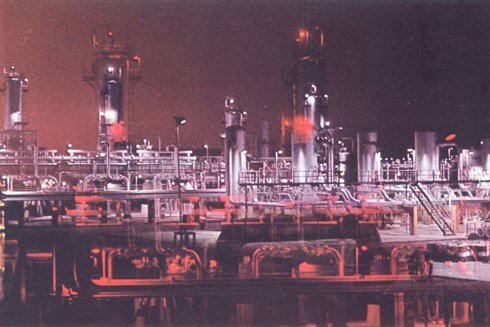
DUBAI, September 12 — Projectiles struck Saudi Arabia’s oil pipeline system, igniting fires at multiple locations, the kingdom’s Ministry of Energy confirmed. The network is operated by Saudi Aramco, the state-owned oil giant. No casualties have been reported.
The extent of damage to infrastructure and the impact on production are still being assessed. That assessment matters far beyond Saudi borders, because this is the pipeline web that moves crude from the kingdom’s fields to its processing facilities and export terminals.
Why a pipeline fire is a global story
Saudi Arabia is the world’s largest oil exporter. It produces around 9-10 million barrels per day and holds about 17% of proven global oil reserves. When something interrupts that flow, the practical upshot reaches fuel prices, shipping costs and power bills in countries that never see a Saudi barrel up close.
Think of the system like the plumbing in a very large building. The wells are the source, the processing plants are the treatment rooms, and the pipelines are the pipes running between them.
Damage one stretch of pipe and everything downstream slows down, even if the water itself is fine. This is not the first time those pipes and plants have been hit. On September 14, 2019, drone and cruise missile strikes targeted the Abqaiq processing facility and the Khurais oil field.
That attack temporarily knocked out about 5.7 million barrels per day of production — more than half of Saudi Arabia’s output and roughly 5% of global supply. Yemen’s Houthi movement claimed responsibility.
The Houthis have been engaged in a conflict with a Saudi-led coalition since 2015. The market reaction then was immediate. Brent crude surged nearly 15% in a single day.
A pattern of attacks on Saudi energy sites
In March 2021, the Houthis also claimed attacks on Saudi Aramco facilities in Ras Tanura and other sites. The current incident lands amid ongoing regional tensions, and it raises fresh concerns about the security of global energy supplies. What happens next depends on two unknowns.
The first is how much of the pipeline network is actually out of service. The second is how quickly crude can be rerouted or production restored.
International oil markets may react to news of supply disruptions, and traders will be watching for any signal that volumes are falling. The Ministry of Energy confirmed the incident but has not yet detailed the damage. Further information is expected as the situation develops.




