
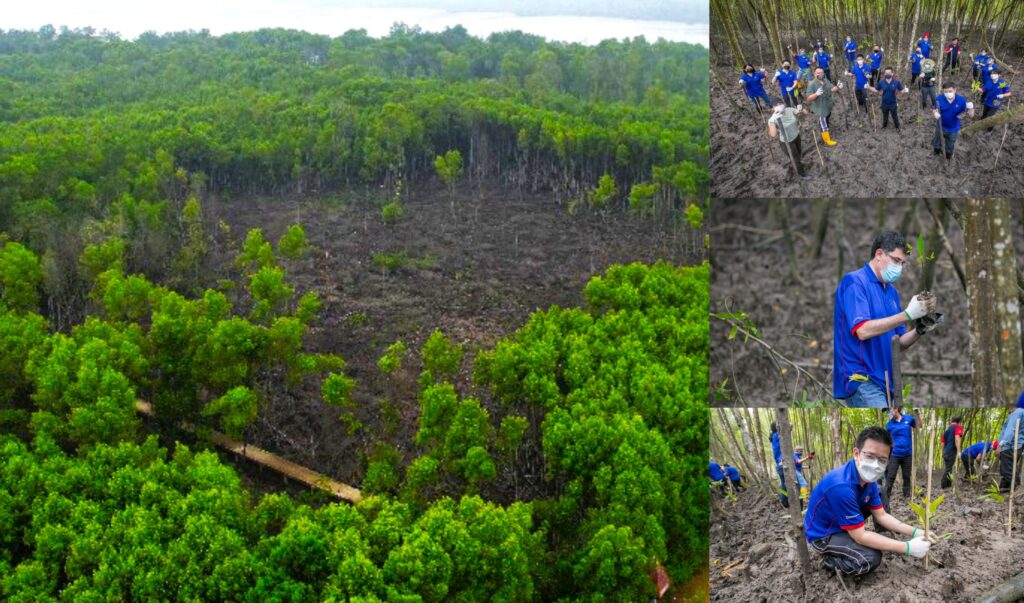
On November 8, 2024, Malaysia’s mangrove restoration program secured private sector support, marking a new phase in the nation’s conservation drive. The initiative, which has been underway for several years, focuses on rehabilitating and safeguarding the country’s mangrove forests.
Officials say the core motivation behind the effort is to preserve mangroves because they shield coastlines, filter water, and provide habitat for numerous plant and animal species. These ecosystems are found in many parts of Malaysia, with Sabah and Sarawak hosting the most extensive stands. Despite their ecological value, mangroves face mounting pressure from deforestation, pollution, and climate change.
A report from the Malaysian Ministry of Environment and Water indicates that nearly 30 % of the nation’s mangrove cover has disappeared over the past few decades. In response, the government has launched restoration actions, and the private sector has stepped forward to bolster them.
Petronas, the state‑owned oil and gas company, has pledged financial resources and technical know‑how to the program. Petronas’ chairman, Tan Sri Wan Zulkiflee Wan Ariffin, stated, “We recognize the importance of mangrove forests in supporting biodiversity and protecting our coastline, and we are committed to doing our part in preserving these ecosystems.” Other corporations, including Sime Darby and IOI Group, have also announced their backing for the restoration work.
The program’s spokesperson, Dato’ Sri Tuan Ibrahim Tuan Man, Malaysia’s Minister of Environment and Water, emphasized the national significance of the habitats: “Mangrove forests are a vital part of our country’s ecosystem, and it is our responsibility to protect and preserve them for future generations.” Challenges remain, particularly limited awareness among local communities. According to the World Wildlife Fund (WWF), many residents do not understand the benefits of mangroves and may see them as obstacles to development.
Dr. Dionysius Sharma, executive director of WWF‑Malaysia, warned, “There is a need to educate local communities about the importance of mangrove forests and involve them in the conservation efforts.” Funding constraints have also hampered progress, though private contributions have helped alleviate this shortfall. To date, the Ministry of Environment and Water reports that more than 1,000 hectares of mangrove forest have been restored and protected under the scheme. The initiative has additionally generated employment and income for nearby residents who participate in planting and maintenance activities.
Dato’ Sri Tuan Ibrahim Tuan Man highlighted this socio‑economic impact, noting, “The program has not only helped to preserve our mangrove forests but has also contributed to the socio‑economic development of local communities.” Looking ahead, the government intends to expand the restoration work to other regions and increase the total area under protection. Authorities anticipate continued private sector involvement and are exploring ways to bring in additional stakeholders such as non‑governmental organizations and community groups.
With sustained collaboration among government, businesses, and local populations, the program is expected to serve as a regional model for mangrove conservation and to make a lasting contribution to Malaysia’s biodiversity and coastal resilience.




