
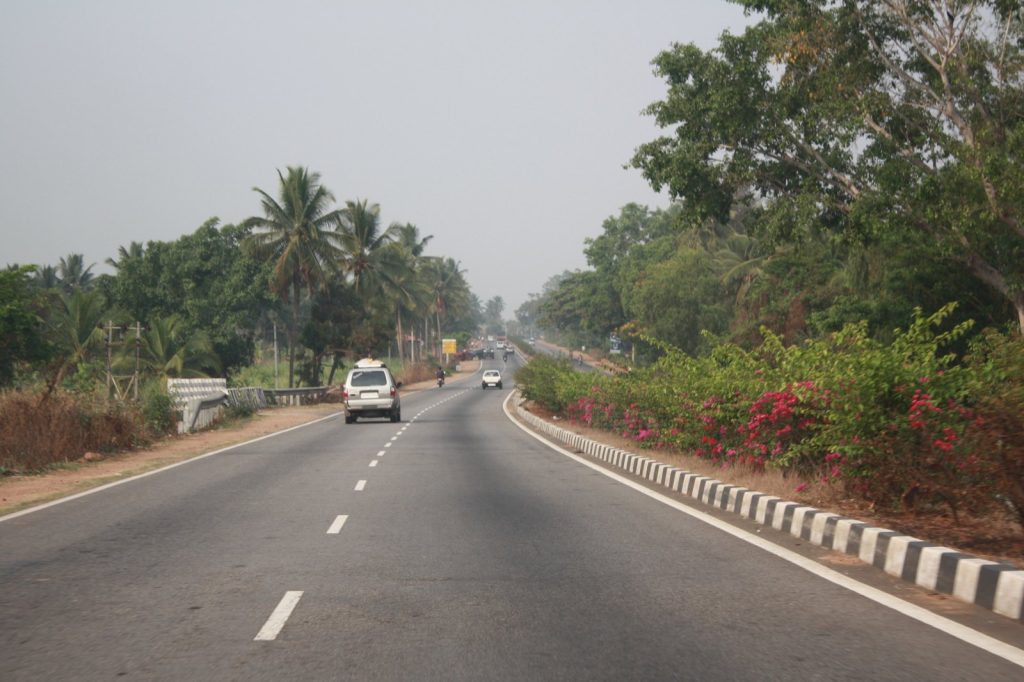
On February 15, 2026, a vehicle crossed a median on a road near Nelamangala in Karnataka and collided head‑on with a bus. The impact killed five occupants and left several others injured. Nelamangala, situated northwest of Bengaluru, serves as a commercial hub and a key junction linking the state capital to northern Karnataka and beyond. The stretch where the accident occurred carries a steady flow of trucks, buses, and passenger cars.
Medians are installed to prevent vehicles from drifting into opposing traffic lanes. In this case, the median did not stop the car; the vehicle jumped the divider and struck the bus.
The five fatalities underscore a recurring pattern on Indian roads, where median invasions contribute to a significant share of the more than 150,000 road deaths recorded annually across the country. Authorities have launched a standard post‑crash investigation. Teams will examine the road surface, assess the bus’s braking system, determine the car’s speed, and inquire whether the driver was under the influence of alcohol or distracted at the time.
These steps follow every fatal collision, yet historically they rarely translate into tangible safety upgrades. The median that failed in Nelamangala remains unspecified in the report—its material, height, or design are not detailed.
However, the fact that a car managed to clear it indicates that the barrier was insufficient for the speeds involved. Nelamangala is not a remote village; it is a taluk headquarters with industrial activity, commerce, and a growing population. Its roads accommodate thousands of travelers each day.
If a median on a major route near a sizable town can be breached, the incident prompts broader questions about the adequacy of similar barriers on highways connecting Bengaluru to other cities and on rural roads where medians are often absent or poorly constructed. The safety of daily commuters hinges on trust that infrastructure will protect them; on February 15, that trust was broken for five families who received the dreaded news of loss.
Officials say they will re‑evaluate Nelamangala’s road infrastructure after the crash. The critical issue is whether this review will lead to concrete actions—such as installing taller medians, adding crash‑absorbing barriers, or enforcing stricter speed limits—or whether it will become another file that gathers dust while officials wait for the next preventable tragedy. The crash also highlights the role of driver behavior.
Reports note that reckless driving, including speeding, distraction, and impairment, was cited as a contributing factor. While human error is inevitable, effective road design should accommodate such mistakes.
A median that stops a vehicle even when the driver errs would have averted the collision. Nelamangala now mourns the five lives lost. Mourning alone cannot stop future crashes; only decisive changes to road safety measures can.
As the investigation proceeds, the public will watch to see whether lessons are learned and acted upon, or whether the cycle of inquiry without improvement continues—a scenario many describe as the true tragedy of India’s road safety challenge.




