
Propane Blast Levels Pennsylvania Home, Killing Six Children and One Adult
On April 19, 2026, a propane tank exploded in Lamar Township, Pennsylvania, destroying a residence and taking the lives of seven people. Six of the victims were children; the seventh was an adult.
Emergency crews arrived to find the house already reduced to rubble, and all seven bodies were recovered from the debris. Authorities have not released the identities of those killed, nor have they clarified whether the victims belonged to a single family or represented multiple households sharing the same structure. That information may emerge after autopsies and formal notifications are completed.
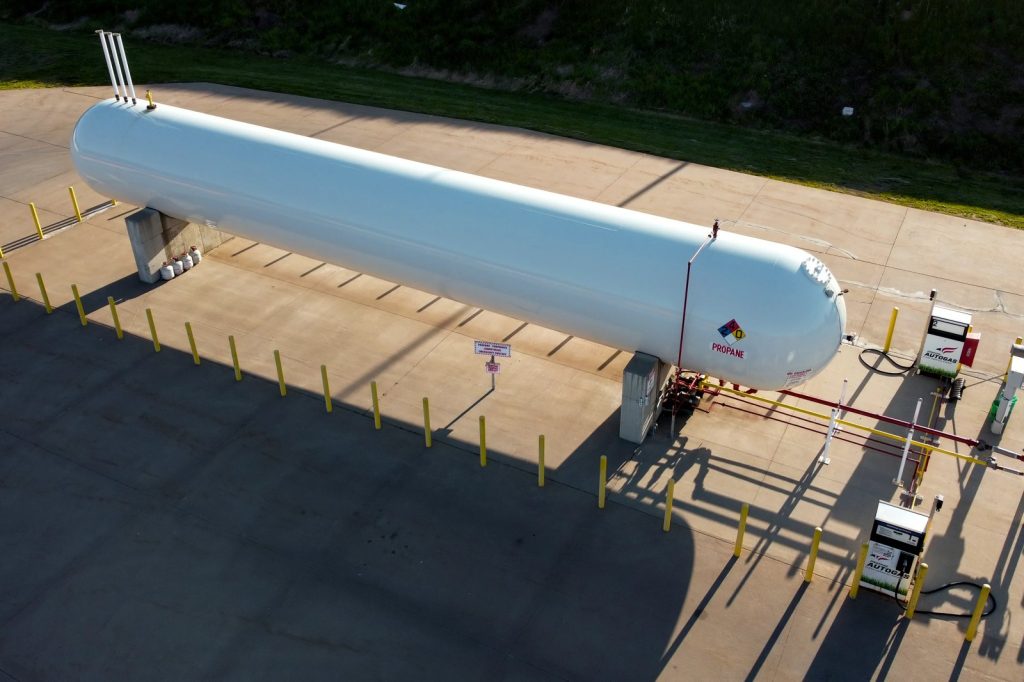
The tank involved was not unusual; propane is a common fuel across rural Pennsylvania, with thousands of households depending on it for heating, hot water, and cooking. In this case, a leak allowed the odorless, colorless gas—which is heavier than air—to accumulate in a basement or crawl space.
A single spark from a pilot light, appliance compressor, or light switch ignited the vapor, producing an instantaneous explosion that left no time for occupants to escape. Investigators note that most propane-related disasters stem from aging equipment, corroded piping, faulty installation, malfunctioning regulators, or tanks that have gone years without inspection. Pennsylvania does not mandate periodic inspections of privately owned residential propane tanks.
Federal regulations from the Pipeline and Hazardous Materials Safety Administration cover tank manufacture and transport, but once a tank is installed at a home, upkeep falls to the owner or the propane supplier. Enforcement of safety checks is inconsistent.
Suppliers are expected to examine connections during refill visits, yet a visual glance from a delivery truck does not constitute a comprehensive system evaluation. The tragic outcome of this blast is likely to prompt a review of those practices. Local law enforcement, the state fire marshal’s office, and the National Transportation Safety Board are all participating in the investigation. Investigators are working to determine whether the failure originated in the tank itself, the supply line, or human error that allowed the leak to develop.
Lamar Township lies within Clinton County, a rural area with a population density of roughly forty residents per square mile. In regions where natural‑gas pipelines do not reach, propane serves as the default energy source because alternatives such as electric heat pumps require costly retrofits and solar arrays demand upfront capital many households cannot afford.
Consequently, families enter supply agreements with propane dealers, pay per gallon, and rely on the equipment to remain sound. The explosion has left the community grappling with funerals and unanswered questions. Meanwhile, county officials and state legislators are beginning a broader discussion about whether the current reliance on voluntary maintenance and supplier self‑policing provides adequate protection.
Given the loss of seven lives, many observers conclude that the existing system is insufficient. Propane is not expected to disappear from rural America anytime soon; a rapid transition to wind or solar power is unrealistic for many communities.
However, the gap between simply owning a tank and owning a safe tank can be narrowed. Concrete measures—such as mandatory periodic inspections, required leak detectors, and clearer liability for suppliers who neglect checks—could reduce the risk of future incidents. These steps would involve financial investment and time, but they also have the potential to save lives.
Seven people died because propane found an ignition source inside a home. The ongoing inquiry will establish the precise cause of the leak and blast.
The ensuing policy debate will shape whether similar tragedies can be prevented. While the families in Lamar Township will never recover their children, the rest of Pennsylvania now faces a decision about what that loss signifies for public safety.




