
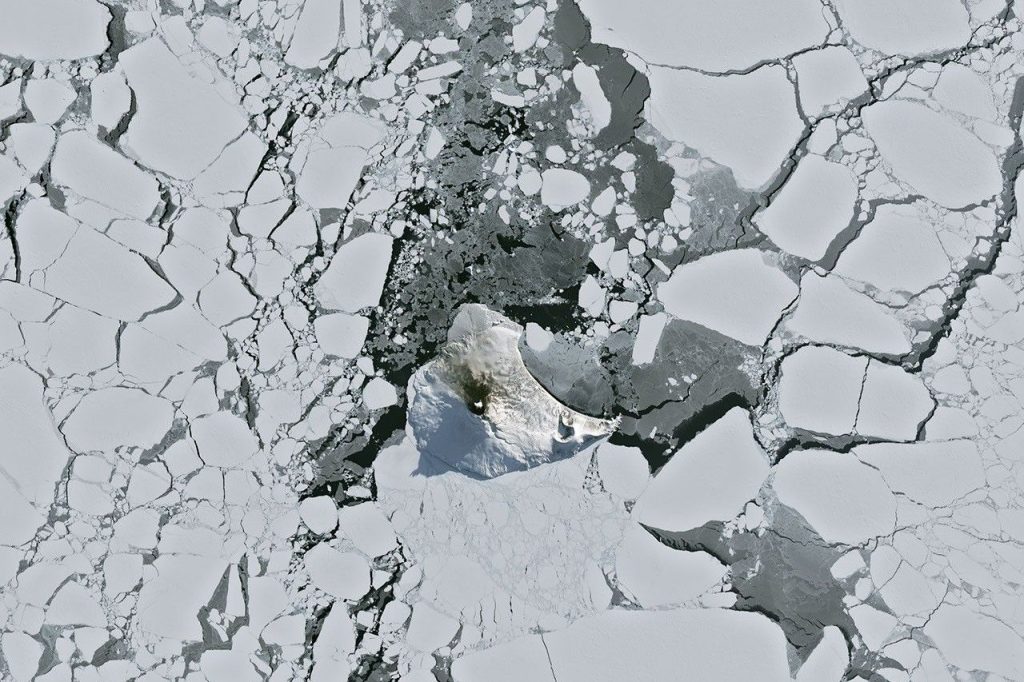
A shallow magnitude 5.2 earthquake struck east of the South Sandwich Islands early Thursday, at 05:14 UTC, the U.S. Geological Survey reported. The quake hit at a depth of 10 kilometres. No tsunami warning was issued.
For anyone in that part of the world, the shaking was a familiar one. The region east of the South Sandwich Islands has recorded at least 23 earthquakes of magnitude 5.0 or greater within about 300 kilometres over the past two decades.
Thursday’s event fits into that long pattern. Shallow earthquakes hit harder. At 10 kilometres deep, this one was less than 70 kilometres below the surface, the threshold seismologists use to classify shallow events.
Those produce stronger shaking than deeper quakes of the same size. A moderate magnitude 5.2 can rattle the ground sharply near the epicentre.
The South Sandwich Islands themselves are sparsely populated. But the broader region is not empty. Shipping lanes cross these waters.
Research stations dot the area. Anyone on a vessel or at a base felt the ground move. The USGS picked up the tremor through its global seismic monitoring network, which runs around the clock.
The agency’s data gives a clear picture: a moderate, shallow quake in a seismically active zone. No immediate reports of damage or injuries have surfaced.
But for communities in the region, the event is a reminder of what lives beneath them. Aftershocks are common after an earthquake of this size. Seismologists say they can continue for days or even weeks.
People in the affected area are generally advised to brace for more shaking. That advice holds whether you are on a research station or a cargo ship.
The strongest quake in this zone over the past two decades was a magnitude 6.7 event in 2013. Thursday’s 5.2 was moderate by comparison. But moderate earthquakes in the magnitude 5 range can still cause minor to moderate damage near the epicentre.
The risk is real, even if the population is thin. For the people who live and work in this remote part of the world, the quake is a routine hazard. The South Sandwich Islands sit on a restless tectonic boundary.
The ground shifts often. Thursday’s event was one more shift.
The USGS detected the quake early Thursday morning, UTC. The agency’s network tracks tremors globally, and this one registered clearly. At 10 kilometres deep, it was shallow enough to be felt sharply.
For anyone nearby, the shaking was unmistakable. No tsunami warning was issued.
That is standard for a quake of this size and depth in this region. The threat of a tsunami is low for moderate shallow events here. But the seismic activity that defines this part of the world does not stop.
The earth will keep moving. For communities across the region, the quake is a fact of life. They live with it.
They prepare for it. Thursday’s event was one more data point in a long record of tremors.
The USGS will keep watching. The people in the area will keep going.




