
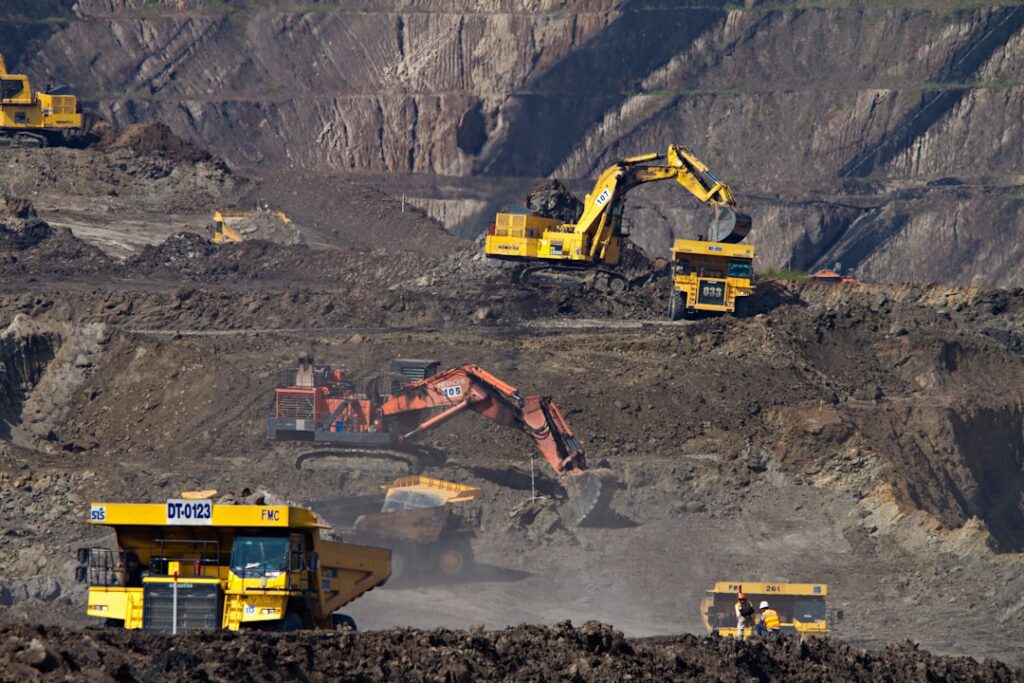
The red soils of the Democratic Republic of the Congo (DRC) lie at the heart of today’s electronics, electric‑vehicle batteries and rechargeable power packs. More than six‑tenths of the world’s cobalt is mined there, making the mineral a non‑negotiable component of the modern supply chain.
Without this metal, the majority of smartphones, laptops and EVs would cease to function. Mining dominates the DRC’s export profile, delivering over 95 % of the nation’s foreign‑exchange earnings. Alongside cobalt, the country ships vast quantities of copper, diamonds, gold, tantalum and tin.
The sheer volume means the DRC is not a peripheral supplier; it is the principal source of a resource on which global industry depends. The mining sector within the DRC is divided into three distinct layers.
At the top are large‑scale, industrial projects—often financed and operated by multinational firms—that function under a degree of regulation. The middle tier consists of semi‑industrial ventures, while the broad base is made up of artisanal and small‑scale mining (ASM). ASM operations are widespread but notoriously unsafe.
Miners lack basic infrastructure, protective gear and health safeguards, exposing them to routine cave‑ins, toxic dust and heavy‑metal inhalation. Despite the dangers, ASM is far from marginal.
In a country where formal jobs are scarce, it provides a crucial source of income for thousands of families. The sector’s size is essential to the DRC’s overall mining output, yet the absence of robust oversight leaves workers vulnerable and obscures the provenance of minerals destined for overseas markets. For the global technology sector, the DRC’s cobalt is indispensable. Any interruption—whether caused by political unrest, regulatory clamp‑downs or sudden mine collapses—can ripple through the electronics market, as no viable alternative supply chain has yet been established.
This reliance underscores the strategic importance of Congolese cobalt to manufacturers of laptops, phones and electric vehicles. Domestically, the DRC’s economy is tightly bound to its mineral exports.
Fluctuations in global commodity prices directly affect the national budget, while efforts to diversify away from mining have progressed slowly. Consequently, the country remains heavily dependent on a single sector for revenue. Artisanal miners themselves face a stark reality.
Their work is often a last resort rather than a chosen profession, carried out in hand‑dug tunnels that can collapse without warning. Exposure to heavy‑metal dust and the lack of safety equipment make the occupation perilous, and earnings are unpredictable.
International buyers have increasingly felt pressure to map and verify their supply chains. However, bridging the gap between corporate procurement policies and the lived conditions of ASM workers proves challenging. The demand for cobalt continues unabated, while the miners who extract it have limited leverage to demand safer practices.
The paradox is clear: the DRC supplies the world’s most sought‑after mineral for high‑tech products, yet the industry operates under some of the most hazardous conditions in global mining. The relentless demand for cobalt does not pause for safety reforms, and the people working in the mines remain exposed to risk.




